 Erika Quendler
 Hans Embacher2
 Rike Stotten
- 1Rural Sociology and Library, Federal Institute of Agricultural Economics, Rural and Mountain Research, Vienna, Austria
- 2Holidays on the Farm in Austria, Salzburg, Austria
- 3Department of Management and Marketing, Longwood University, Farmville, VA, United States
- 4Department of Small and Medium Enterprise and Tourism, Institute for Management and Marketing, University of Innsbruck, Innsbruck, Austria
- 5Division for Management in Health and Sport Tourism, UMIT Tirol—Private University for Health Sciences, Medical Informatics and Technology, Hall in Tirol, Austria
- 6Department of Sociology, University of Innsbruck, Innsbruck, Austria
The concept of agritourism has been studied in various transnational, national, and regional or local contexts. Its growing popularity raises questions about common definitions and their variations. With this in mind, the Global Agritourism Network Committee's Definitions and Standards elaborated a series of core global values. This review examines the situation in Austria based on these values, such as synergistic potential, agricultural diversity, the integration within agriculture and its derivatives, resource showcasing, and authentic experiences. The objective is to investigate the prevalence of these global core values within the Austrian situation. Consequently, this review aims to contribute to a broader understanding by identifying similarities and potential gaps between these global core values and local practices. Additionally, the review considers how enhancing global transparency could improve national agritourism practices. The review draws on a number of Austrian reference sources, namely accommodation statistics, the farm structure survey, and guidelines from the “Holidays on the Farm” association, as well as relevant literature from 2006 to 2024. Databases like Scopus and Web of Science were searched using keywords such as “agritourism,” “farm holiday,” and “Austria.” A total of 27 “publications” in English and German were analyzed with MAXQDA. The findings indicate that Austria is a unique case study, able to contribute to global discussions but also needing to preserve local identity. The review confirms that the Austrian situation adheres to the global core values but is also shaped by national guidelines, particularly by those set by the “Holidays on the Farm” association. These guidelines, serving as a role model, emphasize quality, marketing, and cross-sector collaboration. The review also highlights the importance of juxtaposing the global perspective with the local realities. Given the theoretical overlay of the global core values, further research should explore their application in other countries and regions. Mixed-methods approaches could offer deeper insights on their suitability globally. Developing robust assessment tools would help evaluate these values across different national contexts, providing useful guidance for policymakers and practitioners.
1 Introduction
The concept of agritourism is gaining traction in global discussions, emerging as a significant area of interest for researchers, policymakers, and travelers alike. Originating from the idea of the “Sommerfrische/summer retreat” (Gattermayer, 2006; Lamie et al., 2021), agritourism has been becoming increasingly prevalent due to factors such as economic prosperity, war-related stress, increased mobility and the desire for fresh air and the rural environment (Meixner et al., 2010; Petroman and Petronma, 2010). As the concept of agritourism has developed and expanded, literature shows that practitioners, researchers and policymakers apply the term differently. Globally agritourism has evolved into a relatively complex phenomenon. This notwithstanding, there is consensus that agritourism encompasses the following common global core values, as proposed by the Global Agritourism Network (GAN) Committee's Definition and Standards (Barbieri et al., 2024):
Agritourism emerges from the synergistic intersection of tourism and agriculture, serving as a diversification activity of agriculture that highlights the agricultural, natural, social, and cultural resources of a region. It offers authentic experiences by reflecting local culture and tradition, providing meaningful activities, products, and services, and the sharing of unique stories. Nevertheless, it has to be acknowledged that these agritourism values, definitions, and activities vary globally depending on differences in geographic, socio-cultural, and political contexts. These variations include legal frameworks, land tenure status, agricultural operation characteristics, frequency of offerings, and related standards.
The values and their variability are wide-ranging, reflecting the complexity and diversity of agritourism globally. In contrast, national practical applications are often more tailored to specific local preferences and perspectives, making them less generalizable (Barbieri and Streifeneder, 2019). This highlights the need for transparency between a broad, inclusive approach and agritourism as it is experienced locally. A common understanding of both global and local perspectives is crucial in exploring their similarities and differences. Austria is an example of a state with a well-developed system at the interface between agriculture and tourism. By comparing and contrasting the global with the Austrian situation, the authors aim to uncover patterns, relationships, and variations, ultimately contributing to a deeper understanding of the concept of agritourism. The purpose of this review is to juxtapose the global core values with the Austrian context, thereby making visible any differences, similarities or potential areas of complementarity. Austria's unique characteristics and idiosyncrasies contribute to the globally shared vision of agritourism.
The global core values and the acknowledgment of their variability, as applied in this review, were established by GAN Committee's Definition and Standards (Barbieri et al., 2024). They provide a framework for aligning global and national perspectives. To this aim, this review examines the national reference sources given by public authorities (Statistics Austria, 2022, 2024a) and the umbrella association “Holidays on the Farm” (HoF; Urlaub am Bauernhof, 2024a,b) matching them with the global core values. In Austria, any reference to agritourism currently refers to “holidays on a farm.” This form of agritourism is governed based on a compelling interplay between national regulation and public/private necessities as well as the scientific community (Federal Ministry of Sustainability Tourism, 2019).
In addition to existing studies on the evolution, marketing aspects, and diverse impacts of holidays on farms in Austria (e.g., Embacher, 1994; Rauter, 2012; Streifeneder, 2016; Quendler, 2019; Niederl et al., 2021), there is also trans-regional and transnational research (e.g., Palmisano, 2019; Streifeneder and Dax, 2020; Plaikner et al., 2022) which takes Austria into consideration. However, comparative research on global and national issues remains underexplored. There is a lack of integration between global and national perspectives on agritourism. Addressing this gap offers an opportunity to examine how the global vision aligns with national or local realities. This includes examining the cultural orientations, differing views on agritourism, and identifying geopolitical constraints (Barbieri and Streifeneder, 2019; Barbieri, 2024).
The underlying hypothesis of this review is that while global agritourism values are broadly universal, Austria's approaches and practices reveal unique aspects shaped by local conditions. To this aim, the key research questions in relation to the global core values with the Austrian situation are:
• To what extent is the Austrian situation reflected in the global core values of agritourism, i.e., what are the similarities, differences, and areas of complementarity?
• Can Austria's rich array of agritourism experiences contribute to a global understanding of the concept and facilitate bridging gaps, if there are any?
• How can increased transparency on a global scale enhance agritourism practices within Austria itself?
With this in mind, this review delves into the concepts, principles, and scope of the Austrian situation within the global context. It integrates the key points of the scientific debate on the global understanding of agritourism with the local debate, reflecting the reciprocal influence between the two. To this aim, a theoretical foundation was discussed. Then a narrative review was conducted, whereby the keywords of the global definition served to guide the research strings. The content analysis was conducted using MAXQDA in accordance with Cooper (1989), Kuckartz (2018), and Bichler et al. (2022).
All in all, the review serves three important functions: (i) it defines the current Austrian situation within the context of global values, (ii) it provides a foundation for the further development of the Austrian situation with regard to the understanding of agritourism, and (iii) it serves as a basis for future empirical research and collaboration.
To this aim, this review comprises the following sections. The next section gives a brief look at the theoretical background, illustrating and describing the Austrian situation. Then the review outlines the methods deployed. Subsequently the findings are presented highlighting both the similarities and dissimilarities while also emphasizing the uniqueness as documented by relevant literature. The ensuing section explores the limitations of the review and leads to a number of areas for future research and collaborations.
2 Setting the scene—different concepts forming the theoretical foundation
This section provides an exegesis of the term agritourism, the value approach and relevant theories. This serves as the foundation for this review. It starts with how the concept agritourism is used internationally and nationally.
2.1 The global perspective and Austrian variations: do we know it when we see it?
Agritourism1 is used frequently as the term for a wide variety of agricultural- and tourism-related activities. Some definitions of agritourism emphasize a direct interaction between a guest or tourists and a working farm. Other definitions are more expansive, often referred to as “rural tourism,” where activities happen in rural areas but may not necessarily involve a working farm (see Embacher, 1994; Petroman and Petronma, 2010; Streifeneder, 2016; Dimitrovski et al., 2019; Roman and Kawecki, 2024). Recent efforts have focused on developing a clearer global definition. GAN Committee's Definition and Standards shared their global agritourism core values and variability acknowledgment in the poster2 presented at the 2nd World Agritourism Congress in Bolzano (Barbieri et al., 2024). This approach should map the diverse forms around the world and establish the scope and boundaries for a global definition and national variants. The need for such a global definition arises from varying ways in which agriculture and tourism are defined or practiced across different countries (cf., Barbieri, 2024). This variation creates challenges in understanding and supporting the “sector” both economically and strategically. A universal understanding is essential for fostering clear communication, ensuring consistent measurement, and guiding informed policies. This would also provide effective support for farms, ranches, and their communities, thereby enhancing the industry's economic significance and long-term sustainability (Chase et al., 2018; Lamie et al., 2021; Ciolac et al., 2022). Having such a global definition enables stakeholders to collaborate more effectively, especially when making cross-regional comparisons, and subsequently to develop strategies that are better aligned with the specific needs of rural development and local economies (Barbieri and Streifeneder, 2019; Lamie et al., 2021). Moreover, it facilitates standardization, international dialogue, and promotes consistency in research and development initiatives (Barbieri et al., 2016; Chase et al., 2018; Krishna et al., 2020). The first reference of working toward a unified global definition is found in Barbieri (2024).
In Austria, the term agritourism is not used per se. The Ministry of Agriculture does not have its own specific definition of the term agritourism (oral conversation BML, 31 July 2024). Even though the term is not used specifically, public calls for tender speak about “Tourism services relating to agriculture” (Agrarmarkt Austria, 2023). When provided professionally, in Austria such holiday experiences are officially recorded. Depending on the intended purpose, there are different reference sources with different areas of responsibility. There are the Accommodation Statistics (Statistics Austria, 2024b) and the Farm Structure Survey (Statistics Austria, 2024a) as well as the umbrella association HoF (Urlaub am Bauernhof, 2024b) all make defining references3 to activities which come under the auspices of both tourism and agriculture. The first talks about private accommodation on farms limited to 10 beds and holiday apartments and houses (Statistics Austria, 2024b) as well as the commercial one with more than 10 beds. The farm structure survey records “Tourism, accommodation and other leisure activities” under “other gainful activities” (Statistics Austria, 2024a). These two are statistical definitions in order to categorize and quantify different types of accommodation or tourism activities. The third is a technical definition. The association HoF, provides clear and simple rules for their members in the form of minimum criteria (Urlaub am Bauernhof, 2024b). A holiday on a farm can be defined as a form of tourism, when farmers offer accommodation with or without tourism services alongside their agricultural activities. Generally speaking, in Austria, the tourist activities of agricultural holdings fall into this bracket (BML, 2022, 2024a; Urlaub am Bauernhof, 2024c). This understanding has been formalized by the association HoF. Equally, the Farm Structure Survey includes not only accommodation and the traditional holiday experience on a farm but also tourism and other leisure activities. These first definitional distinctions are fundamental to understand the meaning and scope of the global core values in Austria. Elaborating further, the following section explains the value approach deploying the global core values.
2.2 Values: what do we mean?
The global core values present an inherently complex issue, fundamentally influencing how agritourism actors think, act, and perceive the world around agritourism. In fact, these universal values are crucial building elements for a shared concept of agritourism. Hartman (2011) similarly conveys this idea by stating: “This conception presupposes that there are value phenomena, that they form an orderly pattern, and that this pattern can be mirrored in a theoretical structure, the theory of value or axiology” (Hartman, 2011). This idea is reflected not only in practice but also theoretically.
In this review, the global core values may take on a deontic meaning or be understood as evaluative terms. These deontic and evaluative expressions help guide and shape the understanding of agritourism's objectives and acceptable practices. For example, when discussing regulations, policies, or ethical considerations related to agritourism, words like “must,” “should,” “may,” “allowed,” or “prohibited” are often used to indicate what is expected or required within the given context (see Barbieri et al., 2024). On the other hand, when these terms are used as evaluative, they tend to reflect a judgment or an opinion, such as “meaningful,” “valuable,” or “authentic,” often indicating a value-laden perspective on certain practices or policies in agritourism (see Barbieri et al., 2024). This can be typical for discussions that assess the impacts, benefits, or challenges of agritourism activities on the farm, local communities, the environment, or the economy. In this respect, for the purpose of this review, global core values are reference points for evaluating agritourism. Values are often rationally and emotionally binding and they give long-term orientation and motivation for the development of agritourism (adapted for agritourism from the Meisch and Potthast, 2010).
In order to bridge the discussion from the concept of values to the value chain, one has to recognize that values can vary significantly across different cultures and countries. While the global core values were validated at the 2nd World Agritourism Congress in Bolzano (see poster in the Supplementary material), it is crucial to remain open to the idea that certain of these values may not be always applicable. With this in mind, this review explores how these global core values manifest themselves within the value chain and related theories as follows.
2.3 Chaining values: does it matter?
In essence agritourism is a collection of activities that are performed to design, produce, market, deliver, and support a holiday or other recreational activities. This inter-sectoral diversification provides scope for multifunctional activities (Bojnec, 2010) in such a way that the latter have a greater benefit (to customers) than the original cost of traditional agriculture. The added benefit can be considered the profits and is often referred as “margin” (Porter, 1985). Farm holiday providers gain such advantage by performing strategically important activities more cheaply or better than their competitors. The success of agritourism may rely on the uniqueness of the business concept, serving both established and emerging markets, communication between the links of the value chain, and developing the skills of the people involved at each stage (Morales-Zamorano et al., 2020). Porter's value chain (Porter, 1985) served as a framework to disaggregate agritourism into its strategic activities, thereby creating a clear overview of its internal organization and setting (see Figure 1).
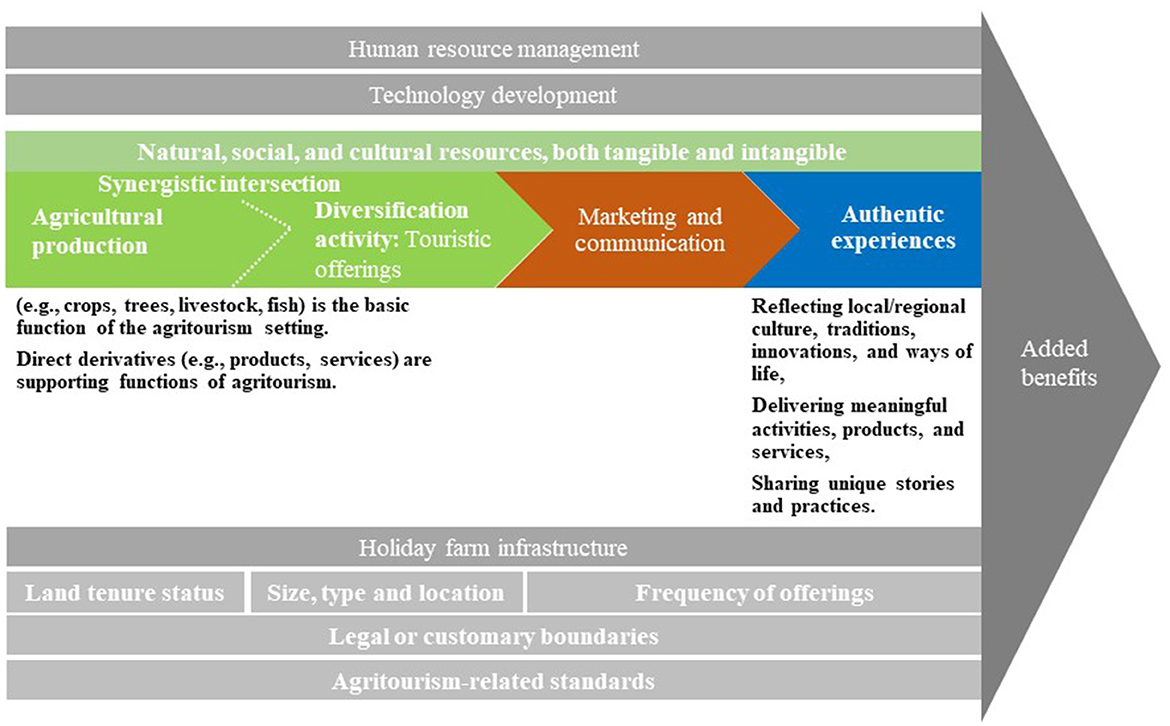
Figure 1. Global core values and variability criteria in the agritourism value chain. Source: own visualization based on Porter (1985).
Figure 1 illustrates how global core values and the variability areas may shape the value chain of agriculture and tourism. Each component works together following a given motivation. Moreover, it demonstrates how they can be strategically aligned in order to create added benefit for both a specific destination and agritourism as a whole. All collectively form the main chain, consisting of several value chain combinations or scenarios, as researched by Zheng et al. (2021) and Niederl et al. (2021). This review focuses on the global core values of agritourism within the value chain. By doing so, the review can better assess how the former are considered in Austria and identify areas for improvement. This approach is valuable for analyzing both the applicability and the inclusivity of these global core values.
An innovative and inclusive value chain aims to enhance farms and rural economies, promote cultural heritage, and support sustainable practices. From an agro-economic theory perspective, its development is influenced by both internal and external push-and-pull factors within the framework of agro-structural change and rural area development (see Veljkovic and Brocic, 2017; Niederl et al., 2021; European Union, 2024). This conceptualization is shaped by various concepts and theories, including small-scale agriculture, family life-cycle, diversification, multifunctionality, community-based tourism, resilience, sustainability, and the experience economy.
These theoretical lenses allow a more profound insight into these values and their impacts. As a result, agritourism not only enhances the economic, cultural, and ecological value of rural areas but also supports broader goals such as sustainable development and transformation (Stotten, 2020). It, therefore, highlights how stakeholders—especially those in policy and regulatory frameworks, and governance (cf., Ländliches Fortbildungsinstitut Niederösterreich, 2019; Agrarmarkt Austria, 2024; Dsouza et al., 2024) can better develop and shape agritourism ventures, thereby contributing to overarching goals, such as sustainability (cf., UNEP and UN Tourism, 2005). Thus, this agritourism value chain can serve as a powerful, sustainable to achieve comprehensive development outcomes worldwide.
3 Materials and methods
This review aims to examine global core values and their variability, as proposed by the GAN Committee's Definition and Standards (Barbieri et al., 2024), within the context of the Austrian situation. This is examined through relevant reference sources and Austrian literature. For the review, the authors followed Cooper (1989), Kuckartz (2018), and Bichler et al. (2022), as a proven tool to compare and contrast two concepts (see Russel, 2005). The research was organized as follows.
First, the authors conducted a narrative literature review. Between July and August 2024, three primary keywords (*agritourism,* *farm holiday,* and *Austria*) were used in the Scopus, Web of Science, Austrian Library Network and Service and Google search engines to sort the existing literature. The following limiting criteria were applied: (i) date of publication—publications from 20064 to 2024 are included; (ii) type of publication—includes publications in peer-reviewed academic journals and books, non-reviewed ones as well as master theses, (iii) publication topic—focusing on selected keywords based on the global core values, and (iv) language restriction—for greater ease of communication, only documents in German and English were considered. The authors also included articles or professional documents coming from official organizations directly involved in this sector. Nevertheless, research that did not consider Austria is excluded. The authors even assumed that newer research would likely synthesize earlier studies, and this indeed turned out to be the case. This approach ensures that the most important publications on these topics were considered in this review. As a result, a pool of 27 publications was created, which were then subjected to review.
Secondly, a qualitative content analysis was conducted using MAXQDA (Gizzi and Rädiker, 2021). The global core values served as the coding framework. This content analysis was 2-fold. Firstly, common or unique traits were identified within the Austrian definitions. Secondly, these traits were described by the references given in the publications analyzed (see Section 4.1). Table 1 outlines how to showcase the Austrian situation based on the global core values and how they can be strengthened through unique Austrian practices.
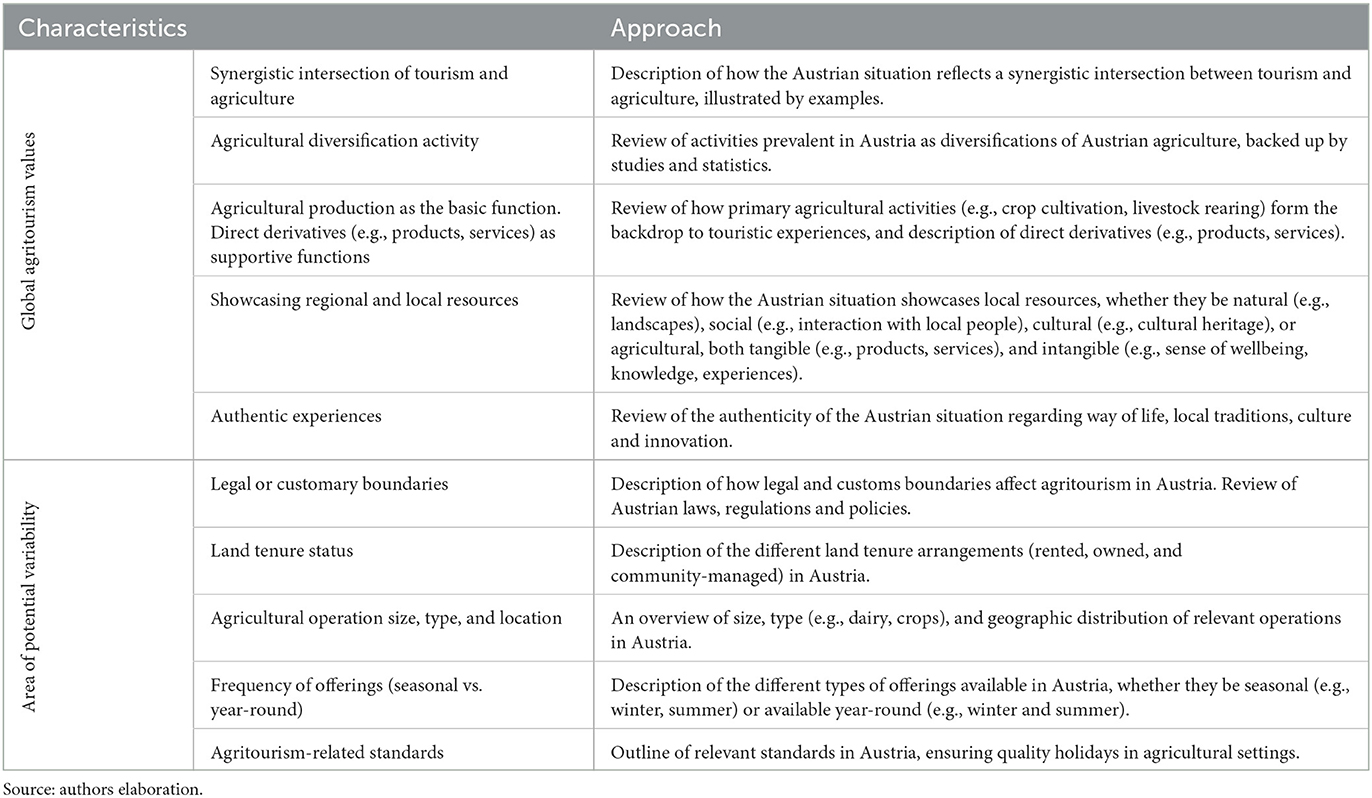
Table 1. Global core values, variability, and approach deployed.
However, the authors do not claim that this approach includes all components required for a comprehensive review (see Section 5.3). This approach guides the literature review and presentation of results in following Section 4.
4 Results—evidence in reference sources and literature
In this section, the authors review the situation in Austria in relation to the global core values and their variability and according to the method outlined in the previous section. The authors assume that the description of each core value for the Austrian situation will represent a synthesis of the main points coming from the literature, as follows.
4.1 Common ground: global vs. national specificity?
As already mentioned, in order to make the Austrian situation transparent, this review draws upon three reference sources which contribute differently to defining Austria's approach to agritourism. Table 2 shows how the Austrian reference sources—Accommodation Statistics, Farm Structure Survey, and the association HoF—take into consideration the global core values behind the concept of agritourism. Basically, the association HoF takes into account all global core values and variability areas, whereas for the other two, the core value “authentic experiences” is not explicitly mentioned. Each reference source embodies core values differently depending on their specific purpose.
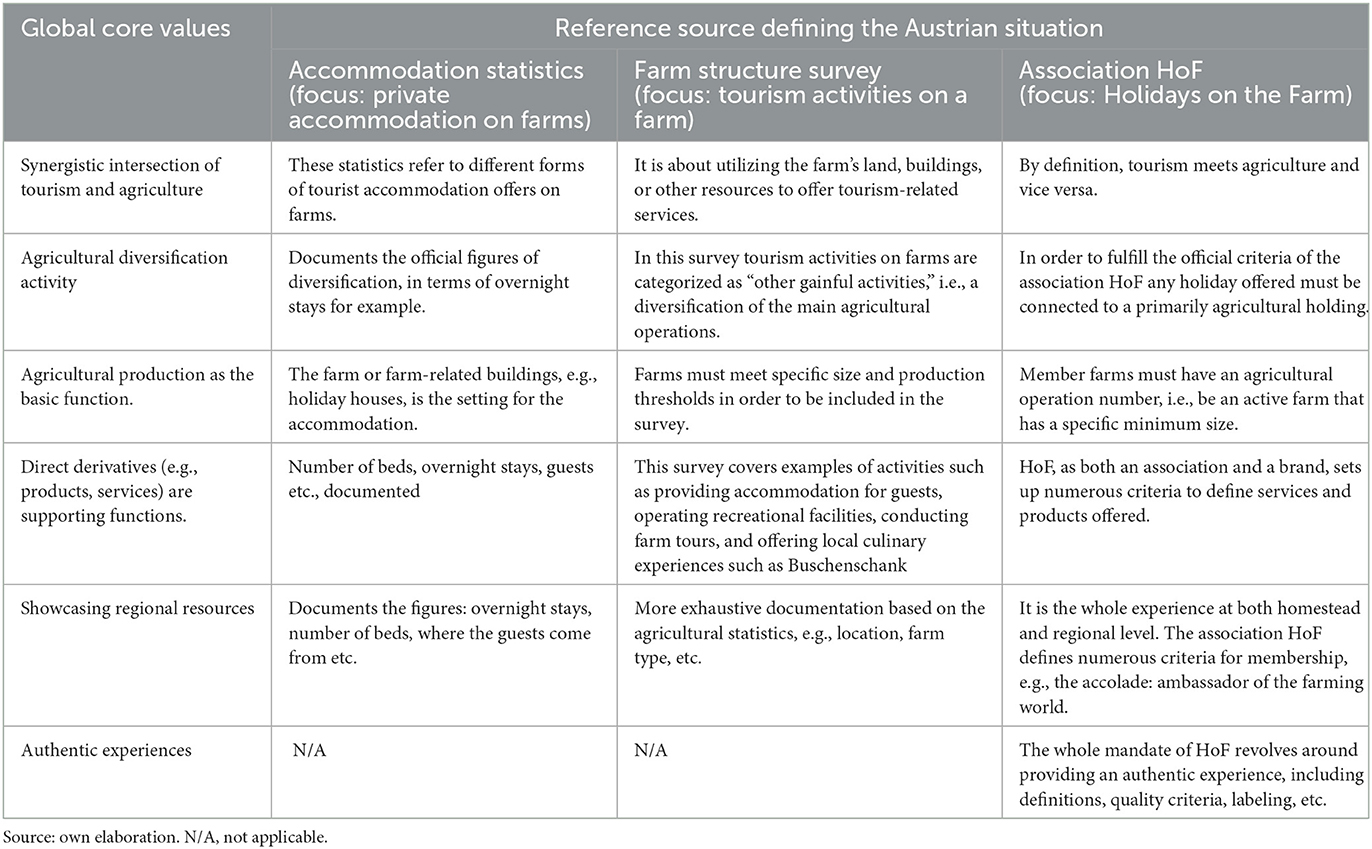
Table 2. Global core values and their evidence in Austrian reference sources.
Concretely, the Accommodation Statistics primarily focuses on quantifying aspects of tourism on farms, such as the number of beds, guest stays, and origins of tourists. It is data-oriented and captures tourism's impact through numerical figures. In contrast, the Farm Structure Survey emphasizes the diversification of farm activities through tourism, showcasing how farms use their resources to offer tourism-related services, such as accommodation and local experiences. It categorizes tourism as a means of economic diversification within agricultural operations. Meanwhile, association HoF presents a more holistic perspective, establishing criteria and standards that farms must meet to develop touristic offerings as a sideline business to their agricultural activities. It goes beyond mere documentation or categorization, aiming to define and elevate the quality and authenticity of the Austrian situation and modus operandi. Overall, while Accommodation Statistics provides a quantitative snapshot and Farm Structure Survey illustrates functional integration, association HoF sets a framework for quality assurance and brand integrity for this sideline business.
While the global set of core values pertaining to agritourism proposed by GAN Committee's Definitions and Standards (Barbieri et al., 2024) can be seen as universal, the latter also had to acknowledge a degree of variability. In its aim to enable transparency the concept of variability was broken down into several areas. Table 3 shows how the three reference sources treat the different areas of variability in Austria.
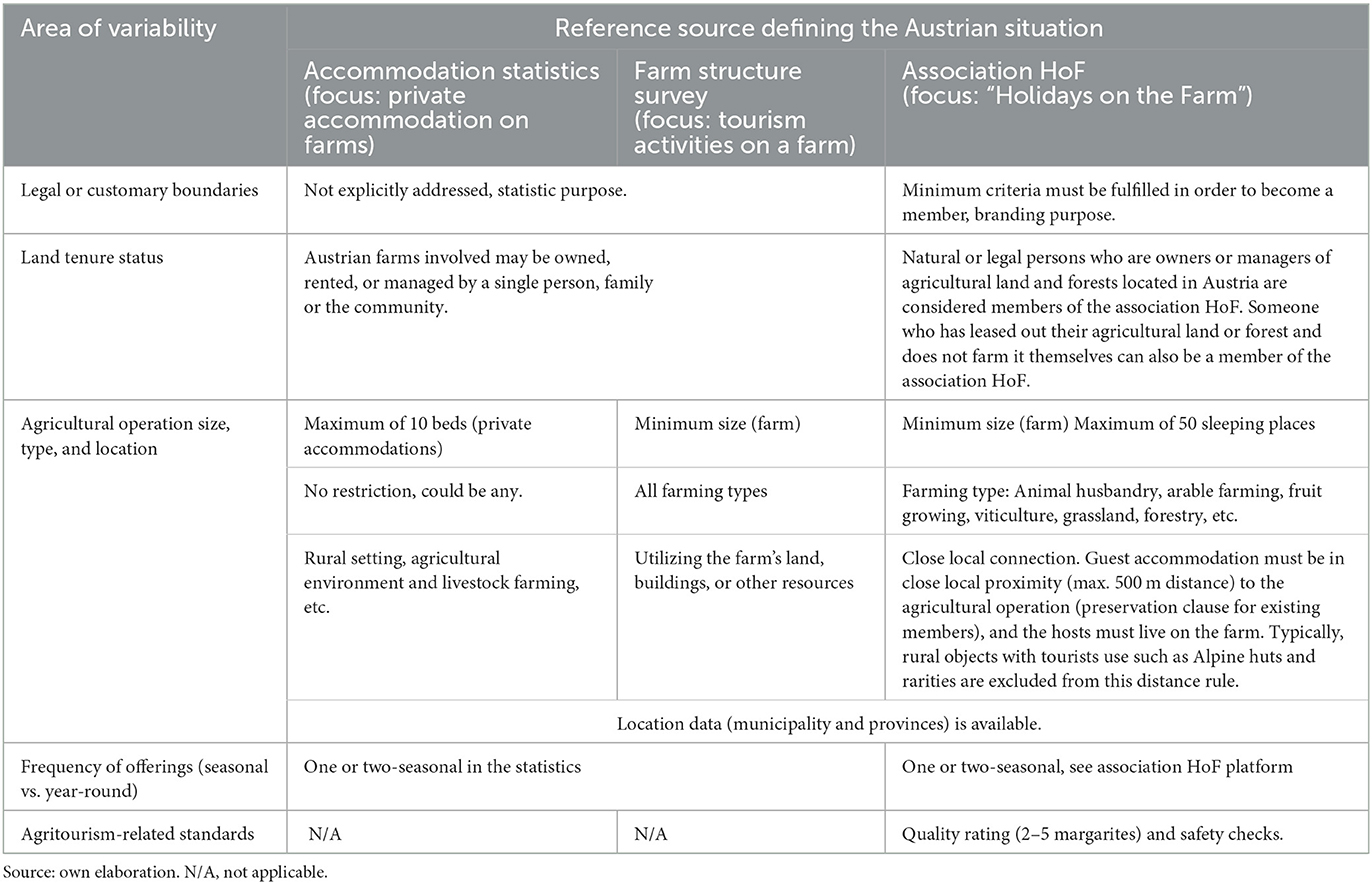
Table 3. Variability and its evidence in Austria reference sources.
4.2 Global core values in Austria: do they fit?
By examining local and national variations, we can gain a more nuanced understanding of how these core values shape the concept of agritourism. With this in mind, this section looks at the global core values in detail, how present they are in the Austrian reference sources and literature reviewed.
This word cloud illustration in Figure 2, see also Supplementary material, shows the frequency of the global core values and variability areas in the literature reviewed, indicating the relative prominence of each in literature. The larger a word, the more it is mentioned. The most prominent ones are “authentic experiences” and “agricultural diversification activity.” Both are central in the literature reviewed, highlighting the importance of offering authentic experiences and promoting agritourism as a means of (income) diversification. Following these, “synergistic intersection” and “production as a basic function” with “showcasing resources” and “products, services are supporting functions” appearing afterwards. Smaller but still notable terms, such as legal or customary boundaries and agritourism-related standards, frequency of offerings, tenure as well as farm location, type, and size barely feature. Building on these core values, the Austrian situation is described by each value in the following. The most recent source is taken.
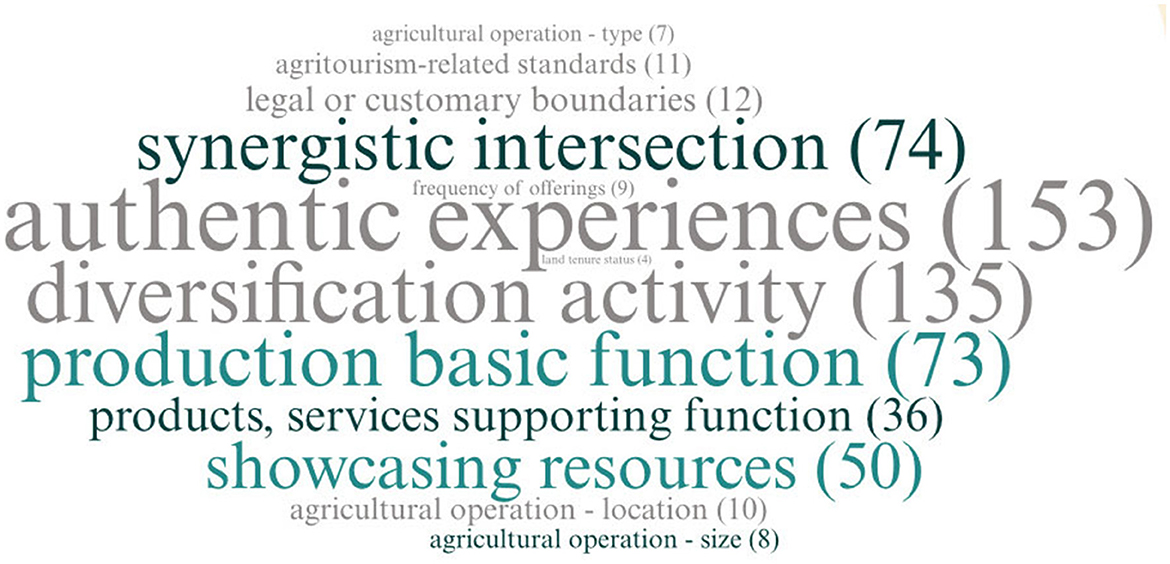
Figure 2. Cloud illustration of global core values and variability areas in literature reviewed. Source: own visualization. In brackets the frequency.
4.2.1 Synergistic intersection of tourism and agriculture
Right from the outset Austria, with its diverse topography, is destined to support a marriage between agriculture and tourism. Despite its relatively small surface area, Austria covers a very wide range of landscapes from the high Alps of the West through the mountains and lakes of the Salzkammergut and Carinthia to the rolling flood plains of the Danube basin (Ibetsberger and Embleton-Hamann, 2022). Agriculture is largely responsible for shaping and maintaining these landscape forms. The fact that Austrian agriculture is predominantly made up of family farms further contributes to the aesthetic of the agricultural sector in Austria. It is no surprise therefore that this landscape appeals for purposes other than just farming (Statistics Austria, 2022; Agrarmarkt Austria, 2023).
Tourism is important for the Austrian economy, accounting for 6.2% of the gross domestic product. Austria attracted 151.2 million tourists in 2023 and has one guest bed for every six inhabitants (Bundesministerium Arbeit und Wirtschaft, 2024; Statistics Austria, 2024c). Austria has a surface area of 83.879 km2 of which 32% is agricultural land while 44% is covered by forests. Without agriculture, most of the highland areas would likely be forested. Almost 80% of Austria's surface area is rural land (European Commission, 2023) and 67% of tourist overnight stays take place in a rural setting (Statistics Austria, 2024c). Correspondingly, rural areas support tourism as an economic sector in many different ways.
As landscape managers, agricultural holdings also play an important role in maintaining the setting for rural tourism. This natural landscape provides the framework for tranquility, diverse landscape-related leisure activities as well as fostering its own culture and customs (Hermann, 2020). This attracts tourists seeking a healthy climate, relaxation and a natural getaway (Österreich Werbung, 2019, 2020). To this aim, a lot of conservation work is done, especially in cooperation with the tourism association. This is even the case in winter when it comes to the ski slopes and cross-country trails (Agrarmarkt Austria, 2023).
Conversely the synergy also works the other way around with tourism offering agricultural holdings the opportunity to diversify their offer thereby also contributing to maintaining and creating jobs—especially in peripheral rural areas (Agrarmarkt Austria, 2023). At the heart of this synergy between agriculture and tourism is accommodation on farms as a special niche market in Austria. Beds are available on farms in the form of private accommodation and holiday apartments or houses. In 2020, with 70,007 guest beds, around 6.2% of the tourism bed provision in Austria was available on farms (Statistics Austria, 2022), and approximately every 30th tourist overnight stay was on a farm. An estimated turnover of 1.0–1.2 billion euros was generated (Niederl et al., 2021). In this way, around 23,000 jobs were created or secured in rural areas, many of them for women (Ländliches Fortbildungsinstitut Niederösterreich, 2019). Moreover, tourism further stimulates the surrounding rural economy through the additional spending on the part of the guests in the region (Niederl et al., 2021).
The interconnectedness between agriculture and tourism is so strong that a decline in one sector can negatively impact other industries. Conversely, minimizing economic leakages can amplify the positive impact of tourism expenditures on the local economy (Quendler, 2019), thereby stabilizing agricultural practices and certain rural areas (Gattermayer, 2006). On a formal level, the focus of the call “Cooperation on tourism services related to agriculture” is to strengthen the synergies between the agriculture and tourism value chains (Agrarmarkt Austria, 2023).
4.2.2 Agricultural diversification activity
This agricultural diversification activity utilizes farm resources like labor, land, and buildings to offer tourism experiences (Handlechner, 2010; Kirner, 2018; BML, 2024a). Many farms diversify into offering guest accommodation, farm tours, and hands-on farming experiences. This diversification creates a stable revenue stream beyond traditional farming, promotes employment, supports the farm livelihood and reduces risks5 associated with traditional farming. In most cases this has enabled farms to enhance their viability and resilience (cf. Stotten, 2020; Niederl et al., 2021; Plaikner et al., 2022; BML, 2024a), particularly in the Alpine region (Stotten, 2020). This diversification into the tourist sector also helps to ensure a well-managed cultural landscape in rural areas (Quendler, 2019; Stotten, 2020; Plaikner et al., 2022).
In Austria, of the 154,953 agriculture and forestry holdings, 8,397 holdings offered tourism, accommodation and other recreational activities in 2020 (Statistics Austria, 2022). Moreover, it provided, for the first time, substantial cash income for female farmers, thereby influencing gender relations and roles on the farms (Meixner et al., 2010; Plaikner et al., 2022). Small-scale family farms in particular can generate significant additional income by offering tourism services (Stotten et al., 2019; Agrarmarkt Austria, 2023). According to the CAP Strategic Plan Austria 2023–2027, the share of non-agricultural income accounts for around 40% of the total farm income (Agrarmarkt Austria, 2023). Statistically, “HoF members” are better off than non-members, especially in the case of bed occupancy, income share and use of public support services (Niederl et al., 2021). This indicates that not only do the farms benefit, but surrounding businesses also experience economic gains. The diversification of agriculture into the tourist sector supports the overall diversification of regional economies by sustaining jobs and fostering connections between local production and the service industry (Agrarmarkt Austria, 2023).
Overall, the strategic blending of tourism and agriculture fosters more resilient and sustainable farm business models (Stotten, 2020; Grillini et al., 2023), which are essential for the economic vitality of rural communities (Veljkovic and Brocic, 2017; Niederl et al., 2021; European Union, 2024). As farms adapt to economic pressures, this diversification activity will remain key to agriculture and rural development in Austria and beyond (Šajn and Finer, 2023). However, experiences can vary depending on the holiday providers, and not all farms may be able to provide the same level of engagement due to operational challenges (Grillini et al., 2024).
4.2.3 Agricultural production as a basic function and direct derivatives (e.g., products, services) as supportive functions
When tourists visit a farm or a rural area in Austria, it is the back-drop of agricultural production, such as dairy farming and crop cultivation, that provides an accessible location for their holiday. As a result, tourists can choose from a wide range of locally sourced products and related services, such as staying in farm accommodation, engaging in farm activities where available, or purchasing fresh produce directly from the farm, enjoying the landscape or a nearby farmer's market. These direct derivatives of agricultural production play a supportive role by enhancing the tourist experience and adding value to the agricultural setting (Cizek and Schipfer, 2007). However, it is essential to recognize that during peak work periods, the presence of tourists can sometimes be challenging for farmers (Grillini et al., 2024). Overall, though, these experiences promote and sustain agricultural practices while offering tourists a deeper connection to farming and rural lifestyle.
In this respect, there are many different offers in Austria. Nowadays, the range is extensive and includes holidays with a special focus on (i) babies and children (ii) organic production, (iii) active and outdoor, (iv) livestock, horses and riding, (v) flora and fauna (vi) wine, (vii) barrier-free aspects, etc. (Urlaub am Bauernhof, 2023b). This type of holiday brings the diversity of farm life closer to tourists, offering a sense of authenticity and a deep connection to nature.
While the initial product may still be a farm stay on a working farm, there is also a range of experiences that enhance visitor engagement and satisfaction. This can be opportunities for cultural exchange, wherein guests interact with warm-hearted host families and gain insights into daily farm life. Culinary experiences, featuring local and farm-fresh cuisine, add a gastronomic dimension to the stay, while the tranquil environment promotes rest and relaxation. Adventure activities, such as running through lush fields or swimming in nearby lakes, cater to the adventurous spirit and encourage physical wellbeing. Furthermore, this form of tourism offers an escape from daily routines, provides educational opportunities to learn about agricultural practices, and evokes nostalgia through connections to past holidays or childhood experiences on farms. Ultimately, immersing oneself in nature allows visitors to collect joyful moments, enriching one's overall experience (Cizek and Schipfer, 2007; Urlaub am Bauernhof, 2023b). Of course the provision of all these services and peripheral products can involve a lot of extra work overlapping into other sectors such as transport and infrastructure, public services and safety personnel, to name but a few.
4.2.4 Showcasing resources
Farms venturing into tourism need to be aware of both their own resources and those available in the region. These farms leverage local assets to create products that attract tourists and enhance their offerings. Additionally, Sustainable Development Goal (SDG) 12, which addresses sustainable consumption and production, is highly relevant as these farms aim to balance tourism development with environmental responsibility (Haid et al., 2024). These may include tangible goods, intangible services or a combination of both. Most farms produce tangible products that tourists can see, touch, feel, or taste before purchase, such as accommodation, transportation during a trip, milk, meats, and other food products all fall into this category. Unlike tangible products, tourism experiences that provide tourist with unique memories, engagement, and personal attention, are intangible. Tourists cannot see, touch, feel or taste the experience before purchase. They need to decide whether to engage in a tourism activity based on the benefits they believe it will offer. For instance, a family trip to the farmers' market offers a mix of experiences, such as tasting regionally produced food, spending quality time together, enjoying the local landscape, and creating lasting memories. While the food itself is tangible, the overall experience—including the interactions and cultural engagement—is largely intangible. The goal is to highlight and identify the region's natural, social, and cultural assets, both tangible and intangible. Beyond the obvious contact with the workings of a farm, the tourists will come into contact with the wealth of resources during his or her stay (British Columbia Ministry of Agriculture, 2017).
Natural environments full of biodiversity, e.g., farmland as well as protected areas such as Natura 2000, lakes and mountains, surround the holiday farm. Most of the holiday farms are located in rural, preferably mountainous regions that provide valuable recreational space. These natural settings have an abundance of green elements. Farm venues set in natural habitats and able to demonstrate firsthand this renewal of the environment through various agricultural activities (Quendler et al., 2021). This scenery can be explored, enjoyed, or experienced in various ways and is known to reduce stress while enhancing enjoyment, relaxation, and mental rejuvenation (see Radlingmaier, 2018). Additionally, some farms focus on sustainable and organic practices, reflecting Austria's commitment to an agriculture that is environmentally sound, extensive and protective of natural habitats. These practices may include the provision of organic food, eco-friendly accommodation, and farm-based activities that educate tourists about sustainable agriculture (Urlaub am Bauernhof, 2023b; BML, 2024a).
The region's historical heritage and modern agricultural practices provide unique cultural and social experiences within a natural setting. Culture and customs, in agriculture, in the region and of the country, are brought into focus, i.e., characteristic farmhouse architecture, traditional garments and handicrafts, local cuisine and festivities, regional dialects, and folklore. Each element contributes to a vivid portrayal of the region's heritage and modern cultural scene, as exemplified by two provinces as follows.
Carinthia, Austria's southern province is celebrated for its stunning lakes, like Worthersee, and alpine landscapes. Architectural heritage is marked by traditional farmhouse designs, especially charming alpine cabins and rustic mountain homes, and historic sites like Hochosterwitz Castle. Traditional garments and local crafts, such as intricate Lent veils and hand-carved wooden items, highlight the region's cultural heritage. Local cuisine plays a significant role, with specialties like “Reindling,” a sweet Bundt cake, and hearty dishes celebrating seasonal ingredients and Kärntner Kasnudeln. Carinthia's festivities are as diverse as its landscape. From the Gackern (Verein St. Andräer Geflügelfest, 2024) and Alpine Hiking Day to the Carinthian Beef Festival (Villach, 2024), each season brings its own set of lively traditions. Seasonal celebrations, including harvest festivals and Christmas traditions are complemented by regional crafts like basket weaving and wool felting (Urlaub am Bauernhof, 2023c).
Upper Austria, located in northern Austria, is renowned for its stunning lakes like Attersee and Traunsee, and scenic rivers such as the Danube. Farms here often showcase centuries-old practices and are steeped in stories of generations past. Characteristic farmhouse architecture, including granite-block “Stoabloß-Höfe” and ornate timberwork, adds to the region's charm. Tourists can explore traditional skills like scythe mowing, bread baking in wood-fired ovens, and wool felting. Local customs shine through in colorful festivals, from the “Glöcklerlauf” and “Liebstattsonntag” to seasonal events like the Almabtrieb and Christmas markets. Regional dialects, folk music, and unique crafts, such as indigo-dyeing and weaving, vividly express the area's cultural identity (Urlaub am Bauernhof, 2023d).
Social resources, encompassing community networks, relationships, and social capital, are vital for this form of tourism although they may not always be directly perceived by the guest. These resources facilitate active community involvement, local knowledge exchange, and collaborative partnerships, creating a vibrant and supportive environment for tourism activities.
At the farm level, partnerships and collaboration typically involve dividing responsibilities. One partner may focus on tourism while the other handles agricultural activities, though both can share roles based on their strengths and interests. It is nonetheless predominantly women who contribute their labor to touristic activities. Moreover, the involvement of women is a notable social change, as it empowers them with increased visibility, independence, and leadership opportunities. Tourism provides a platform for women to assume prominent roles within the sector, contributing to greater gender equality and empowerment within the community (Plaikner et al., 2022).
Behind the farm, of course, there are numerous social networks which are visible to differing extents to the tourists. Any initiative occurring from the interface between agriculture and tourism forcibly draws on social resources from both sectors. A visit to a farmers' market may, for example, bring to light social interactions beyond the confines of the farm itself. As seen earlier, diversification per se will integrate other social capital available in the region in ways that may, or may not, be directly appreciated by the visitor. Social capital often supports and enhances tourism in agriculture, particularly farm stays, by strengthening internal community networks, fostering external collaborations, and securing institutional support, though this may vary across different contexts. Bonding social capital builds strong internal connections within the community, facilitating effective management and promotion of farm stays. Bridging social capital extends these efforts by connecting with external partners, such as tourism operators and regional businesses, thereby enriching the tourist experience. Linking social capital ensures access to resources and support from institutions, bolstering the initiative's growth and sustainability. These forms of social capital collectively contribute to a dynamic environment that fits the concept of agritourism, where collaborative efforts and community engagement are crucial for the success of holiday experiences on farms (Schermer, 2008).
At a semi-institutionalized level, the association HoF provides both supply and demand sides with a social network for the purposes of marketing, promotion, expansion, establishing standards, and feedback collection. It also acts as a front, itself, showcasing the main instances of agritourism in Austria (Urlaub am Bauernhof, 2023a).
4.2.5 Authentic experiences
In Austria, the focus is clearly on offering authentic experiences that reflect local culture and traditions, as evidenced by initiatives such as the association HoF. These experiences are designed to foster meaningful interactions between tourists and the agricultural milieu (Meixner et al., 2010). Often, it is the farm experience, the active participation in farm life, and the personal contact that makes the holiday (Plaikner et al., 2022). This also ties into the concept of valorization, which focuses on how authenticity is managed by the association HoF. Concretely, the association HoF emphasizes the value of authentic experiences in their cluster strategy (Urlaub am Bauernhof, 2024c) and minimum criteria (Urlaub am Bauernhof, 2024b), as follows.
The cluster strategy emphasizes in its vision “The demand for authentic, sustainable, and meaningful vacation experiences is rising, alongside a longing for nature, relaxation, and genuine, family-like connections.” This demand is increasingly mentioned in various aspects, including travel motivation (e.g., authentic regional cuisine), marketing (a safe, authentic, and quality-assured vacation experience) and brand values that strive to convey genuineness and honesty while minimizing artificial elements. The fact that HoF sees member farms as ambassadors also reflects this authenticity, offering grounded and region-specific experiences shaped by rural traditions. This approach emphasizes the value of farm holidays that reflect the region's cultural and agricultural heritage. By incorporating seasonal work routines, local traditions, and a strong sense of continuity, these farms offer an experience grounded in the everyday realities of rural life. Despite modern challenges, the focus is on creating genuine connections between visitors and the region's landscape, community, and history, offering stays that reflect its evolving agricultural identity (Urlaub am Bauernhof, 2024c).
At the operative level, the HoF minimum criteria ensure an authentic and memorable farm stay experience, by prioritizing several key aspects. Tourists are encouraged to participate in farm activities such as collecting eggs or assisting with simple seasonal tasks, such as harvesting apples, providing a safe and hands-on connection with rural life. The accommodation standards feature traditional furnishings that reflect the local culture while providing the comfort expected today. Where possible, homemade or traditional food is served, supporting local producers and giving tourists a taste of authentic regional cuisine. Sustainability is also a central focus, with an emphasis on waste reduction, energy efficiency, and promoting local products and traditions, all of which contribute to an authentic and environmentally responsible experience (Urlaub am Bauernhof, 2024b).
In its communication and marketing, the association HoF integrates storytelling and sharing unique practices on their website. Farms are encouraged to highlight their unique stories—such as their history, traditions, and local farming practices—on the association HoF's website or their own. A typical example is the Paulerhof (https://www.paulerhof.com/ueber-uns/urlaub-am-bauernhof/). Authentic experiences are emphasized as a defining feature of this farm holiday, distinguishing it from other types of holidays. By offering genuine farm-based and culturally immersive experiences, the association HoF aims to attract tourists seeking alternatives to standard activities like sightseeing or shopping. This approach fosters a deeper connection with rural life, local people, and traditional practices, allowing visitors to engage in ways that go beyond typical tourist experiences (cf., Quendler et al., 2021).
4.3 Variability in Austria: formalities and differences?
When it comes to farm holidays in Austria there is variability in terms of legal requirements, tenure of ownership, agricultural operation (such as size, type, and location), frequency of offerings and standards. The following breakdown examines the areas, which also shape the core values addressed above.
4.3.1 Legal or customary boundaries
4.3.1.1 Legal guidelines
Farm holidays in Austria are governed by a mix of agricultural, tourism, hospitality, and state regulations. Besides, depending on the services offered, farmers must fulfill legal requirements related to accommodation licensing, taxes and social insurance, data protection compliance, liability insurance, food safety and hygiene standards, building and zoning regulations, and consumer protection laws. Austria has nine federal states (the competence for tourism issues lies predominantly in the hands of these provinces/federal states), specific regulations and permits are required to operate farm stays. These can include zoning laws, building codes, and specific licensing for the provision of food and beverages to tourists. A detailed description is provided by the Ländliches Fortbildungsinstitut Niederösterreich (2019). In the following, some details about room limits are described.
Farmers who offer accommodation typically register this business as a secondary agricultural operation. The distinction between “private” and “commercial” is typically made at the 10-bed limit. Only when more than 10 guest beds are provided does the operation fall under the category of commercial accommodation (Statistics Austria, 2024b). Overnight stay on a farm, classified as private accommodation (Statistics Austria, 2024b), is a legally permissible sideline business of a farm, limited to 10 guest beds (Bundesrecht konsolidiert, 1974). This is considered as private accommodation, including the serving of food, non-alcoholic beverages, and self-produced alcoholic beverages (typically on a “bed and breakfast” basis). The serving of food should not be like in an inn (menu), but rather like in a family. As a sideline business it, therefore, does not need a commercial license (Ländliches Fortbildungsinstitut Niederösterreich, 2019). In contrast, holiday apartments and houses, which do not offer daily services, can be offered without having to comply with hospitality regulations (Ländliches Fortbildungsinstitut Niederösterreich, 2019; Statistics Austria, 2024b). For holiday apartments and houses, the maximum number of beds according to Art. III B-VGN BGBl 1974/444 is not counted. Private accommodation and holiday apartments must be viewed separately (Michelic in Kres, 2013). Moreover, excluded from the trade regulations is the (simple) room rental. Services beyond this, in particular the following activities, are not permitted: (i) Serving food and drinks of all kinds; (ii) daily cleaning of the rooms; Room service; (iii) provision of non-household facilities such as an indoor swimming pool, tennis court, squash courts or a bowling alley, and (iv) setting up a reception service. If the conditions outlined above cannot be met, a business must be registered (Ländliches Fortbildungsinstitut Niederösterreich, 2019).
4.3.1.2 Funding initiatives
A number of subsidies from the European Agricultural Fund for Rural Development are granted for tourism in rural areas in order to strengthen synergies between agriculture and tourism. In the current period, tourism-related support is included in the CAP Strategic Plans.6 Public financial resources are available for member farms (however, also for non-member farms) who apply for support to diversify into non-agricultural activities like (1) activities in the leisure industry and gastronomy, for example, structural investment in their holiday apartments, (2) improving the processing and marketing of agricultural products and services, e.g., new equipment for processing or sale, (3) local and social activities like investment in the construction of a school on the farm, and (4) structural and technical investment in traditional craftsmanship (see Agrarmarkt Austria, 2024). Another focus is on cooperation in the area of tourism services related to sustainable agriculture, dealing with the (i) establishment and ongoing collaboration of the cooperation structure, (ii) preparation and implementation of offers as well as further development of a sustainable form of Holidays on the Farm and in the associated catering area, (iii) the awareness raising and public relations work at the interface between sustainable agriculture, sustainable tourism and accommodation as well as in the associated catering sector, and (iv) quality development and assurance in this area. During implementation the objectives of the following programs and strategies have to be considered: (i) United Nations Sustainable Development Goals, Goals 2 and 8, (ii) CAP Strategic Plan 2023–2027, (iii) the Goals and options for action of the government program 2020-2024 “Responsibility for Austria,” (iv) Plan T—Master Plan for Tourism, especially target corridors 1 and 3, and (v) Strategy of the Federal Minister “My Region—Our Path”—in particular topic area 3, “Economic Potential” area of action (Agrarmarkt Austria, 2023).
4.3.2 Land tenure status
Most of these activities in Austria are conducted on family-owned farms, namely 98% (Statistics Austria, 2024a). Many are family-run and have been in the same family for generations. This long-term ownership often means a strong tradition of hospitality and a deep understanding of local culture and practices. Nevertheless, community-managed operations are also common in mountainous areas where collective alpine pastures are shared. There are 16 of these agricultural communities which offer farm holidays (BML, 2024b).
4.3.3 Agricultural operation characteristics: size, type, and location
In 2020, basically, 25% of agricultural holdings in tourism have guest rooms, 61% in holiday apartments and 14% have both (guest rooms and holiday apartments). For those with only guest rooms, the majority fall into the smaller size categories, with a significant number having up to 2 (21%), between 3 to 4 rooms (41%) and 5 to 6 rooms (32%). In terms of holiday apartments, the distribution shows a strong preference for single-unit accommodation (49%), offering just one holiday apartment. This is followed by two (29%) and three (16%) apartments. Multi-unit accommodation rentals, more than 4 apartments are less common: 6% have four apartments, 3% five, and 1% more than six apartments. For those offering both guest rooms and holiday apartments, the range of accommodation varies, but the trend also shows a predominance of smaller setups (BML, 2024b). This implies a general tendency toward smaller, more manageable accommodation in the market. As the tourism industry shifts toward higher-quality accommodation options, farm holidays reflect this broader trend. However, there is also a trend toward high-quality hotel-like facilities (Streifeneder et al., 2023).
The Austrian concept refers to small-scale active family farms linked with small-scale tourism accommodation (Gattermayer, 2006). The size and type of farms offering accommodation in Austria vary widely, ranging from small alpine dairy farms to larger estates in wine-growing regions. In 2020, on average, a farm manages 25 hectares utilized agricultural area. The wooded area is about 20 hectares, on average (BML, 2024b). The agricultural and forest land is fairly balanced on the farms. This highlights the importance of dairy, grassland and forest farming.
In 2020, most farms were managed in full (61%) and part-time (37%). Though only few were managed as partnerships (1%) or by legal entities (1%) (BML, 2024b). This shows that agriculture is mainly focused on traditional, family-run operations. There is also a gender disparity in the management of the farms. With more farms, namely 64%, managed by men (BML, 2024b). While women play a significant role in the management of the sideline business (Niederl et al., 2021), men are more frequently the primary managers of the agricultural holding. This reflects traditional gender roles and differences in access to resources and opportunities. For women, the share of work in guest accommodation is above average (Niederl et al., 2021).
Agriculture and tourism are more prevalent in the wealthiest tourist areas of the alpine region and tend to take place in non-urban settings (see Quendler, 2019). As a rule, locations that are favorable for intensive agriculture are unfavorable for tourism and vice versa (Gattermayer, 1993 in Gattermayer, 2006). Tourism in Austria mainly takes place in agriculturally less favored areas, where the alpine regions enjoy the highest density. There is a high concentration in the west and south of Austria, specifically in Upper Carinthia, Pinzgau/Pongau in Salzburg, Tiroler Unterland, and the region around Liezen in Upper Styria (Quendler, 2019). Almost 50% of all providers are located in Tyrol and Salzburg (BML, 2024b). Additionally, farm holidays in less tourism-intensive regions help relieve pressure on more heavily visited areas and promote a more even regional distribution of tourism. This function is becoming increasingly important, particularly in light of shifting tourist demands that emphasize regionality, authenticity, and sustainability (Niederl et al., 2021).
4.3.4 Frequency of offerings: seasonal vs. year-round
What would summer be without a garden brimming with produce? What would spring be without apricots or cabbage? What would autumn be without apple picking or hot chestnuts? And what would winter be without cold-water trout or carp? Like almost everywhere, the Austrian situation is highly seasonal, with peaks in summer and winter due to outdoor activities such as hiking, skiing, and festivals. Despite this, many farms provide year-round experiences, especially near popular tourist spots. In 2020, notably, 5,174 farms, or 70% of the total, operated throughout both seasons, underscoring their year-round appeal. Tirol, with 1,870 farms, and Salzburg, with 1,236 farms, were the most active in this regard, reflecting the robust tourism infrastructure in these alpine regions that attract tourists year-round (Statistics Austria, 2022).
Seasonal planning plays a significant role in this form of tourism, as evidenced by the prominence of traditional foods during specific festivals. For instance, Christmas and Advent markets feature specialties like mulled wine, Christmas cookies, “Kletzenbrot,” and “Christstollen,” while the Carnival period emphasizes doughnuts (Krapfen). Even Lent, typically associated with simplicity, showcases regional delicacies such as Tyrolean lent soups. Providers across various regions leverage these seasonal events to enhance their offerings, enticing tourists to explore local cuisines (Urlaub am Bauernhof, 2023b).
4.3.5 Agritourism-related standards: the brand
The Association HoF sets out a comprehensive standard (Egger et al., 2008). The HoF brand stands for quality-tested farms (Egger et al., 2008; Rath, 2010). Those farms that join the association must meet the HoF minimum criteria. These cover aspects such as farm, location, equipment, cleanliness, safety, and local or regional authenticity (Urlaub am Bauernhof, 2024a). Farms are evaluated according to various factors, including the personal commitment and professionalism of the farm holiday provider. These criteria have been continually refined to meet the evolving expectations of tourists, ensuring a consistent, high-quality farm holiday experience (Urlaub am Bauernhof, 2024b).
The standards of member farms are depicted in a flower rating system, similar to stars for hotels, ranging from 1 to 5 margarites. The more margarites, the higher the level of comfort is and the broader the range of services. The rating is valid for 5 years, reflecting the farm's quality and services over time as well as ensuring a certain holiday standard. This, on the one hand, ensures transparency and helps maintain high standards across the network of farms. On the other, it assists tourists in comparing products and quality, by taking reviews and ratings into account, particularly online (Urlaub am Bauernhof, 2023b, 2024a).
The HoF brand claims to ensure quality and authenticity, which is symbolized in the features of the logo—a winding path and a sunrise in the background, representing “Austrian Holidays on a farm.” By promoting these qualities, it aims to enhance Austria's reputation as a holiday destination. It highlights attributes that set its member farms apart from other destinations and has identified its core target audience to address their specific needs (Egger et al., 2008; Flanigan et al., 2015).
5 Critical reflection and future directions
This review explores two distinct yet complementary approaches: the global one provided by the GAN Committee's Definitions and Standards and the—reference sources specific to Austria. Moreover, it shows how the global core values can be described in relation to national realities. Austria serves as a valuable case study showing its specificity and idiosyncrasy within the globally shared vision, see Tables 2, 3. This dual approach allows Austria to contribute to global discussions on the concept of agritourism while preserving its distinct identity.
The GAN Committee's Definition and Standards offers a broad, adaptable set of values designed to set global guidelines for agritourism, which can be tailored to various regional contexts. This flexible approach provides a versatile blueprint for agritourism practices worldwide. Overall, they are broad and adaptable and ideal for global standardization and collaboration. They also offer branding opportunities in particular with regard to the authenticity of the experience. The global core values, in their order, show very nicely how agritourism creates added benefits in the form of a side-line business for farmers, tourists and the broader community. The research hypothesis is well-supported by the idea that while the global core values are universal, Austria's natural, social, cultural, political, and economic contexts lead to a distinct interpretation and implementation. These unique contexts shape the value chain in Austria, differentiating it from other countries while still adhering to the global ones.
In contrast to the more generalized approach of the GAN Committee's Definition and Standards, the Austrian situation is a detailed and practical one, tailored specifically to Austria's regulatory and cultural environment. The defining reference sources considered here are the statistical definition in Accommodation Statistics and Farm Structure Survey as well as the technical definition of the association HoF, mainly the minimum criteria. These reference sources provide precise guidelines that are essential not only for practitioners to ensure operational clarity but also for statistical purposes within Austria. This tailored approach not only addresses the specific needs within the Austrian context but also contributes to a more informed decision-making process. Together, these approaches ensure that both broad international and region-specific needs are addressed, enriching the global agritourism debate. The review describes that in Austria there is a valuable form of rural diversification and sustainable tourism. Most research focuses on specific regional practices, like farm holidays and agricultural diversification, giving limited attention to broader socio-economic and environmental impacts. Many studies, moreover, are descriptive rather than analytical, lacking deeper exploration of the long-term sustainability and role in rural development.
As known, definitions vary around the world, making it difficult to establish consistent benchmarks for analysis. The absence of a unified approach hampers cross-regional comparisons and limits our understanding of its broader impacts. To address these gaps, it is essential to develop and globally adopt standardized statistical and technical definitions. This would lead to improved data accuracy and consistency. This approach would enable more effective research, collaboration, and informed policy-making across different regions. Ultimately, it would lead to a clearer understanding of agritourism's role in rural development and sustainable development around the globe.
5.1 Content specific similarities, differences, and complementarities
Both globally and in Austria, the focus on the synergistic intersection of agriculture with tourism creates sustainable economic opportunities for farmers and rural communities. All global core values are integral parts of the present approach of the HoF. This notwithstanding, the Austrian approach is more specific and tailored to its regulatory and cultural context. For instance, the global values provide broad, adaptable principles, while Austria's model, as reflected in the Accommodation Statistics and Farm Structure Survey, introduces specific operational and legal requirements (e.g., farm size, production thresholds). Austria also emphasizes concrete standards for accommodation and farm tourism through the association HoF, such as proximity rules and quality ratings. Austria's detailed and structured approach, therefore, complements global core values by offering a practical model for agritourism development, especially in terms of regulatory compliance and operational clarity. This demonstrates how global core values can be localized, demonstrating how a balance between flexibility and specificity enhances the effectiveness of its practices. Therefore, the authors propose the following guiding principles as food for discussion at the global level.
• The cross-sector approach within the concept of agritourism creates mutual benefits for both farmers and tourists. Farmers gain extra income and support for their rural communities, while tourists enjoy unique, authentic experiences that connect them with local culture and farming practices.
• Offering authentic, hands-on experiences builds deeper connections between tourists, farmers and local communities. However, it is unclear what “authentic” really means in this context. The term remains subjective, and without clear criteria or examples, it can become an empty claim. This can be replicated globally to classify certain holiday experiences but also sets them apart from other holiday destinations and experiences.
• Austria's operational standards offer concrete guidelines that can help global agritourism initiatives develop clearer standards, especially in areas where regulations are less defined.
• The Austrian model highlights the importance of collaboration between sectors like agriculture, tourism, and government, which can be adapted to create stronger, more resilient rural economies worldwide.
• Austria's success relies on promoting and lobbying agriculture and tourism through regional networks and associations, especially the association HoF (Urlaub am Bauernhof, 2023e), which provides a replicable model for other regions fostering sustainable rural development through this combination.
Increased openness and collaboration across the globe will encourage knowledge exchange. This allows Austria to maintain its agritouristic activities while continuously enhancing its practices in response to global shifts. This can be supported by greater access to global data—such as benchmarking and best practices on agritourism trends, standards, and performance metrics—which would enable Austria to compare its practices based on global benchmarks and vice versa—perhaps the Food and Agriculture Organization (FAO) could play a role here. This could lead to the adoption of innovative methods or improvements in areas such as collaboration, research, sustainable development, technology integration, and targeted marketing strategies. Moreover, enhanced global transparency in the form of data sharing can provide Austria with more comprehensive insights into customer preferences, market demands, and sustainable practices. This approach should complement existing national and international tourism research, fostering collaborative efforts to refine “agritourism” practices. This could help Austria refine its offerings and align with international trends while ensuring that local authenticity remains a key focus. As global transparency improves, Austria could consider adjusting its practices, including policies, to better align with international agritourism standards, ensuring smoother participation in global networks, certifications, and branding opportunities, which could attract more international tourists.
5.2 Critique of method and materials
This is a narrative review. By employing secondary research, the authors have drawn on various studies with different research questions, methods, and data sources. This approach provides insights into the Austrian situation and allows for some general conclusions. However, the methodology requires further reflection. Choosing particular search engines may have limited access to critical information and excluded relevant literature that did not fit predefined search terms. This is essential to understanding the comprehensiveness of the review. Furthermore, while the review describes the global core values based on available literature and highlights Austrian specificities, it does not assess the suitability of these values for practical application. The authors recommend a mixed-method approach considering qualitative interviews, quantitative analysis, and focus groups.
5.3 Next steps for research
While the global core values approach is still in its early stages of development, it remains somewhat vague due to its theoretical nature, especially as it has not yet been extensively assessed and validated through empirical research. This review, therefore, gives rise to the following further research. Firstly, this review focuses on Austria, but the global core values could also be applied to other countries or groups of countries. Secondly, there is a notable lack of case studies at the farm or regional level. To address this gap, future research should adopt a mixed-methods approach, combining both quantitative and qualitative methods, to explore how global core values are applied and understood in different national contexts. In the future, the global core values, therefore, need to be assessed and validated through research across a broader range of countries and regions. Additionally, research should focus on developing effective methods and tools for evaluating the variability and impact of these values, both on the national and on a global scale. Such research would provide empirical data to support such global core values, offering valuable insights for policymakers, farm operators, tourism developers, and researchers.
6 Conclusion
The primary objective of this review is to investigate the representation of global core values and corresponding variability in Austrian reference sources and literature. The narrative review confirms the underlying propositions as follows. Firstly, the national reference sources, especially as given by the association HoF, consider how the global core values, in their order, create an added benefit for the Austrian situation. Secondly, the Austrian situation underpins the idea of global core values through unique national practices such as the HoF brand with its quality rating system. And finally, while global core values are universal, the significance of national and local nuances cannot be understated. Not surprisingly, the main focus in Austria is on the Holidays on the Farm, often run by women in less-favored areas. The association HoF further supports this initiative with a diverse product portfolio, encompassing marketing, consulting, lobbying, and networking. Austria's diverse agritouristic offerings have the potential to enhance global understanding by bridging gaps between nations through benchmarking. This fosters the exchange of best practices that promote environmental stewardship, social equity, and economic resilience in order to drive the sustainable growth of agritourism worldwide. These offerings may also serve as a model that can be adapted and applied to other regions and countries worldwide, thereby fostering knowledge exchange and peer-to-peer learning. By supporting the implementation of the SDGs, such models encourage sustainable practices that address critical challenges such as poverty reduction, environmental protection, and inclusive economic growth. Moreover, increased transparency on a global level can refine and improve agritouristic practices within Austria. While beyond the scope of this current review, future research should work toward developing and validating frameworks or tools for evaluating transparency, such as standardized reporting practices or certification programs that are in concert with global agritourism standards.7 In this regard, adhering to international standards will enhance sustainable marketing and communication. Ultimately, Austria's role in the global agritourism landscape can be strengthened by moving beyond traditional methods to develop innovative and effective definitions and practices that address the needs of both local and global stakeholders. By doing so, the relationship between local practices and global core values can be mutually beneficial, fostering growth and sustainable development in the sector.
Author contributions
EQ: Conceptualization, Methodology, Project administration, Writing – original draft. HE: Writing – review & editing, Supervision. VM: Writing – review & editing. AP: Supervision, Writing – review & editing. RS: Supervision, Writing – review & editing, Methodology.
Funding
The author(s) declare that no financial support was received for the research, authorship, and/or publication of this article.
Acknowledgments
The authors thank the review comments and suggestions received from the journal's Editor. Thanks also Heinrich Wohlmeyer for commenting on an earlier version of the manuscript.
Conflict of interest
HE was Executive Director of Holidays on the Farm in Austria.
The remaining authors declare that the research was conducted in the absence of any commercial or financial relationships that could be construed as a potential conflict of interest.
Generative AI statement
The author(s) declare that no Generative AI was used in the creation of this manuscript.
Publisher's note
All claims expressed in this article are solely those of the authors and do not necessarily represent those of their affiliated organizations, or those of the publisher, the editors and the reviewers. Any product that may be evaluated in this article, or claim that may be made by its manufacturer, is not guaranteed or endorsed by the publisher.
Supplementary material
The Supplementary Material for this article can be found online at: https://www.frontiersin.org/articles/10.3389/frsut.2024.1513292/full#supplementary-material
Footnotes
1. ^As defined and labeled in various ways, labels such as agrotourism, farm tourism, onfarm tourism, farm-based tourism, farm vacation, recreations on farms, holidays on the farm, and farm holidays but also rural tourism are often used interchangeably with agritourism and each other (Stotten et al., 2019; Stotten, 2020; Streifeneder and Dax, 2020; Grillini et al., 2024), but have also been used to denote similar but distinct concepts (Streifeneder, 2016; Quendler, 2019).
2. ^A copy can be found in the Supplementary material.
3. ^A copy of the Austrian reference sources can be found in the Supplementary material.
4. ^Setting 2006 as the baseline year allows this review to trace the evolution of agritourism through a period of significant economic pressures, multiple crises and rural development initiatives accompanied by technological shifts.
5. ^Also covering financial crisis or changes in the Common Agricultural Policy (CAP) of the European Union (Stotten, 2020).
6. ^The Rural Development Program 14–20 supports the strengthening of agricultural holdings with tourism offers supported as part of measures 6 and 16. The aim here is to diversify the holdings toward tourism services [project type (VHA) “6.4.1 Diversification”], and cooperation is also carried out via project type 16.3.1 “Cooperation between small economic operators with regard to tourism services” and “establishment and Operation of clusters” (VHA 16.10.1) is supported (for more information see Niederl et al., 2021). In that program, the association HoF applies for and receives project-based financial support at different levels, namely 50% from the European Union, 20% from the national government (30%), and 20% from the federal states (personal information, chairman Urlaub am Bauernhof Tyrol in Stotten et al., 2019).
7. ^The authors are grateful to anonymous reviewer #1 for offering these potential next steps for achieving increased transparency.
References
Agrarmarkt Austria (2023). Sonderrichtlinie LE-Projektförderungen. Wien. Available at: https://www.ama.at/getattachment/bf21230f-0e98-45ff-8149-9f303acc29c4/Zusammenfassung_lfdNr_605_Aufruf.pdf (accessed August 23, 2024).
Agrarmarkt Austria (2024). 73-08-BML Investitionen in Diversifizierungsaktivitäten inklusive Be- und Verarbeitung sowie Vermarktung landwirtschaftlicher Erzeugnisse. Wien. Available at: https://www.ama.at/dfp/foerderungen-fristen/73-08-bml/das-wichtigste-im-ueberblick#was (accessed August 22, 2024).
Barbieri, C. (2024). Agritourism Global Core Values. Science Blog. Available at: https://www.eurac.edu/en/blogs/agriculture/agritourism-global-core-values (accessed March 28, 2024).
Barbieri, C., Cormier, K., Domi, S., Sanchez, M. R. G., Hsiao, C. Y., Illie, R., et al. (2024). “Global values of agritourism: towards a unified definition,” in Poster. 2nd World Congress on Agritourism. 16.18. May 2024. Bolzano.
Barbieri, C., and Streifeneder, T. (2019). Agritourism advances around the globe: a commentary from the editors. Open Agricult. 4, 712–714. doi: 10.1515/opag-2019-0068
Barbieri, C., Xu, S., Gil-Arroyo, C., and Rich, S. (2016). Agritourism, farm visit, or… ? a branding assessment for recreation on farms. J. Travel Res. 55, 1094–1108. doi: 10.1177/0047287515605930
Bichler, B. F., Petry, T., Kallmuenzer, A., and Peters, M. (2022). “Get on task: a pragmatic tutorial on planning and conducting a systematic literature review,” in Contemporary Research Methods in Hospitality and Tourism, eds. F. Okumus, S. M. Rasoolimanesh, and S. Jahani (Leeds: Emerald Publishing Limited), 39–53.
BML (2022). Bundesministerium für Land- und Forstwirtschaft, Regionen und Wasserwirtschaft. Factsheet - Wissensdatenbank 2022. Wien.
BML (2024a). Grüner Bericht 2024. Die Situation der österreichischen Land- und Forstwirtschaft. Available at: https://gruenerbericht.at/cm4/jdownload/download/2-gr-bericht-terreich/2591-gb2024 (accessed August 24, 2024).
BML (2024b). Grüner Bericht. Struktur der Betriebe mit Urlaub am Bauernhof (UaB) 2020 - Tabelle 2.6.3. Wien.
Bojnec, S. (2010). Rural Tourism, Rural Economy Diversification, and Sustainable Development. Academica Turistica. Available at: https://www.hippocampus.si/ISSN/2335-4194/3_1-2_7-15.pdf (accessed August 28, 2024).
British Columbia Ministry of Agriculture (2017). Farm Diversification Trough Agri-Tourism. AgriService BC. Available at: https://www2.gov.bc.ca/assets/gov/farming-natural-resources-and-industry/agriculture-and-seafood/farm-management/farm-business-management/business-planning-guides/agritourism_guide_2017.pdf (accessed August 29, 2024).
Bundesrecht konsolidiert (1974). Bundes-Verfassungsgesetznovelle 1974 Art. 3, Fassung vom 12.04.2023. Available at: https://www.ris.bka.gv.at/eli/bgbl/1974/444/A3/NOR12007800 (accessed August 22, 2024).
Chase, L., Stewart, M., Schilling, B., Smith, B., and Walk, M. (2018). Agritourism: toward a conceptual framework for industry analysis. J. Agricult. Food Syst. Commun. Dev. 8, 13–19. doi: 10.5304/jafscd.2018.081.016
Ciolac, R., Adamov, T., Popescu, G., Marin, D., and Bodnár, K. (2022). Agritourism-capitalization possibility of rural community resources. Acta Carolus Robertus 12, 3–11. doi: 10.33032/acr.3404
Cizek, B., and Schipfer, R. (2007). Urlaub am Bauernhof aus der Sicht von Gästen und Anbietern. Wien. Available at: https://dafne.at/content/report_release/53951b7a-6501-4276-9e2b-11614e00979f_0.pdf (accessed October 10, 2024).
Cooper, H. M. (1989). Integrating Research: A Guide for Literature Reviews, 2nd Edn. Newbury Park, CA: Sage.
Dimitrovski, D., Leković, M., and Joukes, V. (2019). A bibliometric analysis of Crossref agritourism literature indexed in Web of Science. Hotel Tour. Manag. 7, 25–37. doi: 10.5937/menhottur1902025D
Dsouza, K. J., Shetty, A., Damodar, P., Dogra, J., and Guid, N. (2024). Policy and regulatory frameworks for agritourism development in India: a scoping review. Tour. Hospital. 10:2283922. doi: 10.1080/23311886.2023.2283922
Egger, T., Favre, G., and Passagla, M. (2008). Agrotourismus in der Schweiz. Analyse der aktuellen Situation und Empfehlungen für die Zukunft. Nr. 194. Available at: https://www.sab.ch/wp-content/uploads/2022/11/ST194_Agrotourismus_09.08_de.pdf (accessed August 22, 2024).
Embacher, H. (1994). Marketing for agri-tourism in Austria: strategy and realisation in a highly developed tourist destination. J. Sustain. Tour. 2, 61–76. doi: 10.1080/09669589409510684
European Commission (2023). Factsheet on 2014-2022 Rural Development Programme for Austria. Brussels. Available at: https://agriculture.ec.europa.eu/system/files/2024-01/rpd-factsheet-austria_en_0.pdf (accessed August 27, 2024).
European Union (2024). Tourism and Rural Development. Bruxelles: Commission for Natural Resources. European Committee of the Regions. Available at: https://cor.europa.eu/en/engage/studies/Documents/Tourism%20and%20rural%20development/QG0523426ENN%20Tourism%20and%20rural%20development.pdf (accessed August 22, 2024).
Federal Ministry of Sustainability and Tourism (2019). Plan T. Master Plan for Tourism. Wien. Available at: https://www.bmaw.gv.at/dam/jcr:0ea14456-ac84-4d66-ac69-d507317cd3f2/PLAN%20T%20-%20MASTER%20PLAN%20FOR%20TOURISM.pdf (accessed September 4, 2024).
Flanigan, S., Blackstock, K., and Hunter, C. (2015). Generating public and private benefits through understanding what drives different types of agritourism. J. Rural Stud. 41, 129–141 doi: 10.1016/j.jrurstud.2015.08.002
Gattermayer, F. (2006). “Tourismus und Landwirtschaft. Agriculture and tourism,” in Alternative Strategien für die Landwirtschaft, eds. H. I. Darnhofer, C. Walla, and H. K. Wytrzens (Wien: Facultas), 51–61.
Gizzi, M. C., and Rädiker, S. (2021). The Practice of Qualitative Data Analysis. Norderstedt: MAXQDAPress. Available at: https://www.maxqda-press.com/catalog/books/the-practice-of-qualitative-data-analysis (accessed August 23, 2024).
Grillini, G., Sacchi, G., Streifeneder, T., and Fischer, C. (2024). Comparative analysis of alpine agritourism in Trentino, Tyrol, and South Tyrol: regional variations and prospects. Open Agricult. 9:20220281. doi: 10.1515/opag-2022-0281
Grillini, G., Streifeneder, T., Sacchi, G., and Fischer, C. (2023). Differences in sustainability outcomes between agritourism and non-agritourism farms based on robust empirical evidence from the Tyrol/Trentino mountain region. J. Rural Stud. 104:103152. doi: 10.1016/j.jrurstud.2023.103152
Haid, M., Albrecht, J. N., Tangl, P., and Plaikner, A. (2024). Regional products and sustainability. Sustainability 16:628. doi: 10.3390/su16020628
Handlechner, J. (2010). Tourismus - Landwirtschaft - Nachhaltigkeit. Wien: Urlaub am Bauernhof als Inwertsetzungsstrategie für periphere ländliche Räume. Diplomarbeit. Universität Wien.
Hartman, R. S. (2011). The Structure of Value: Foundations of Scientific Axiology. Eugene, OR: Wipf and Stock Publishers.
Hermann, A. T. (2020). Tourismus als Faktor der ländlichen Entwicklung. Available at: https://kommunal.at/tourismus-als-faktor-der-laendlichen-entwicklung (accessed August 27, 2024).
Ibetsberger, H. J., and Embleton-Hamann, C. (2022). “Geoheritage, geotourism and landscape protection in Austria,” in Landscapes and Landforms of Austria, eds. C. Embleton-Hamann (Cham: World Geomorphological Landscapes; Springer), 30–39. Available at: https://opac.geologie.ac.at/ais312/dokumente/Geoheritage-Austria.pdf
Kirner, L. (2018). Land- und forstwirtschaftliche Diversifizierung in Österreich. Begriff, wirtschaftliche Relevanz, Erfolgsfaktoren und Ansätze für die Weiterbildung und Beratung. Wien: Forschungsprojekt. Hochschule für Agrar- und Umweltpädagogik.
Kres, M. C. (2013). “Urlaub am Bauernhof” Der Landwirt im Fokus der Verwahrer- und “Gastwirtehaftung”. Graz: Diplomarbeit. Institut für Österreichisches und Internationales Unternehmens- und Wirtschaftsrecht.
Krishna, D. K., Kumbhare, N. V., Sharma, J. P., Rao, D. U. M., Kumar Sharma, D. K., Pramod Kumar, K., et al. (2020). Impact of agritourism as perceived by multiple stakeholders. Int. J. Curr. Microbiol. Appl. Sci. 9, 2499–2508. doi: 10.20546/ijcmas.2020.907.293
Kuckartz, U. (2018). Qualitative Inhaltsanalyse. Methoden, Praxis, Computerunterstützung. 4. Auflage. Weinheim, Basel: Beltz Juventa.
Lamie, D., Chase, L., Chiodo, E., Dickes, L., Flangian, S., Schmidt, C., et al. (2021). Agritourism around the globe: definitions, authenticity, and potential controversy. J. Agricult. Food Syst. Commun. Dev. 10, 573–577. doi: 10.5304/jafscd.2021.102.002
Ländliches Fortbildungsinstitut Niederösterreich (2019). Rechtliche Aspekte bei Urlaub am Bauernhof. Available at: https://www.urlaubambauernhof.at/PDF/steiermark/rechtsbrosch%C3%BCre_20190409_final_low-vbg-urlaubambauernhof.pdf (accessed August 23, 2024).
Meisch, S., and Potthast, T. (2010). Values in Society EC Project: the Landscape and Isobars of European Values in Relation to Science and Technology. Tübingen: Eberhard-Karls Unviersität.
Meixner, W., Rieder, E., and Schermer, M. (2010). “Von der Sommerfrische zum Agrotourismus. Die Auswirkungen von Urlaub am Bauernhof auf Lebens- und Arbeitsverhältnisse auf Tiroler Bauernhöfen,” in Land-Arbeit. Arbeitsbeziehungen in ländlichen Gesellschaften Europas (17. bis 20. Jahrhundert), 219–229. Available at: https://journals.univie.ac.at/index.php/rhy/article/view/7020
Morales-Zamorano, L. A., Camacho-Garcí, A. L., Bustamante-Valenzuela, A. C., Cuevas-Merecías, I., and Suarez-Hernández, A.-M. (2020). Value chain for agritourism products. Open Agricult. 5, 768–777. doi: 10.1515/opag-2020-0069
Niederl, A., Friedl, B., Gstinig, K., Janisch, D., and Kaltenegger, C. (2021). Evaluierungsprojekt Cluster Urlaub am Bauernhof. Endbericht. Available at: https://info.bml.gv.at/dam/jcr:9ea29e67-a503-4685-8f1d-78912e19be66/Endbericht_Evaluierungsprojekt_Cluster_UaB.pdf (accessed August 23, 2024).
Palmisano, D. (2019). A multimodal and cross-cultural analysis of farmhouse holidays websites. A comparison between Italy, Germany and Austria. Lingue Linguaggi 40, 241–264. doi: 10.1285/i22390359v40p241
Petroman, I., and Petronma, C. (2010). Agritourism and its forms. Lucrări Stiintifice 53:2, seria Agronomie. Available at: https://www.uaiasi.ro/revagrois/PDF/2010_2_369.pdf (accessed August 18, 2024).
Plaikner, A., Haid, M., Sparber, J., Iashina, T., Kayser, J., Mintah, P., et al. (2022). Tourismus trifft Landwirtschaft. Innsbruck: Endbericht an die Fördergeber: Tourismusforschungszentrum Tirol.
Quendler, E. (2019). The position of the farm holiday in Austrian tourism. Open Agricult. 4, 697–711. doi: 10.1515/opag-2019-0069
Quendler, E., Magnini, V. P., and Driouech, N. (2021). Strategic positioning of the farm holiday's post-pandemic competitive advantages: fresh air and sunlight. ZfTW 13, 22–51. doi: 10.1515/tw-2021-0007
Radlingmaier, E. (2018). Die Bedeutung von Urlaub am Bauernhof in Österreich und dessen gesundheitsfördernde Wirkung auf Reisende am Beispiel Green Care. Bachelorarbeit: Fachhochschule Joanneum University of Applied Sciences.
Rath, K. R. (2010). Der Nutzen touristischer Dachmarken am Beispiel von Urlaub am Bauernhof. Wien: Diplomarbeit. Fachhochschule Wien.
Rauter, K. (2012). Arbeitszeitbedarf der bäuerlichen Gästebeherbergung. Methodenvergleich in der Erhebung von Arbeitszeiten zur Identifikation von Optimierungspotenzialen am Betrieb. Masterarbeit. Wien: Universität für Bodenkultur.
Roman, M., and Kawecki, N. (2024). Agritourism in academic research: literature review and cluster analysis. Turyzm/Tourism 34, 45–55. doi: 10.18778/0867-5856.34.1.04
Russel, C. (2005). An overview of the integrative research review. Progr. Transplant. 5, 8–13. doi: 10.1177/152692480501500102
Šajn, N., and Finer, K. (2023). Rural Tourism. Briefing. European Parliament. Available at: https://www.europarl.europa.eu/RegData/etudes/BRIE/2023/751464/EPRS_BRI(2023)751464_EN.pdf (accessed September 2, 2024).
Schermer, M. (2008). Sozialkapital als Erfolgsfaktor gemeinschaftlicher Vermarktungsinitiativen. ÖGA Tagungsband. Wien. Available at: https://oega.boku.ac.at/fileadmin/user_upload/Tagung/2008/Short_Paper_2008/Schermer_OEGA_2008_Tagungsband.pdf (accessed September 18, 2024).
Statistics Austria (2022). Agrarstrukturerhebung 2020 - Land- und forstwirtschaftliche Betriebe und deren Strukturdaten (SB 1.17). Available at: https://www.statistik.at/services/tools/services/publikationen/detail/1414 (accessed August 2, 2024).
Statistics Austria (2024a). Other Gainful Activities. Vienna. Available at: https://www.statistik.at/en/statistics/agriculture-and-forestry/structure-of-holdings/other-gainful-activities (accessed August 18, 2024).
Statistics Austria (2024b). Organisation and Procedure of the Austrian Accommodation Statistics, a Guideline for Reporting (Organisation und Ablauf der österreichischen Beherbergungsstatistik, Ein Leitfaden für Berichtswesen). 6th Edn. Vienna. Available at: https://www.statistik.at/fileadmin/pages/1177/Leitfaden_Beherbergungsstatistik_2022.pdf (accessed August 18, 2024).
Statistics Austria (2024c). Tourismus in Österreich 2023. Ergebnisse der Beherbergungsstatistik. Available at: https://www.statistik.at/en/services/tools/services/publikationen/detail/1932 (accessed August 18, 2024).
Stotten, R. (2020). The role of farm diversification and peasant habitus for farm resilience in mountain areas: the case of the Ötztal Valley, Austria. Int. J. Soc. Econ. 48, 947–964. doi: 10.1108/IJSE-12-2019-0756
Stotten, R., Maurer, M., Hermann, H., and Schermer, M. (2019). Different forms of accommodation in agritourism: the role of decoupled farmer-based accommodation in the Ötztal Valley (Austria). Sustainability 11:10. doi: 10.3390/su11102841
Streifeneder, T. (2016). Agriculture first: assessing European policies and scientific typologies to define authentic agritourism and differentiate it from countryside tourism. Tour. Manag. Perspect. 20, 251–264. doi: 10.1016/j.tmp.2016.10.003
Streifeneder, T., and Dax, T. (2020). “Agritourism in Europe: enabling factors and current developments of sustainable on-farm tourism in rural areas,” in Global Opportunities and Challenges for Rural and Mountain Tourism, eds. D. Kala, and S. C. Bagri (IGI Global), 40–58. Available at: https://www.igi-global.com/chapter/agritourism-in-europe/247766
Streifeneder, T., Hoffmann, C., and Corradini, P. (2023). The future of agritourism? a review of current trends of touristic commercialisation in rural areas. Ann. Region. Sci. 71, 93–199. doi: 10.1007/s00168-022-01126-w
Urlaub am Bauernhof (2023a). Gemeinsam. Erfolgreich. Das Echte, das Ehrliche und Du. Available at: https://media.urlaubambauernhof.at/de/media-basket (accessed August 18, 2024).
Urlaub am Bauernhof (2023b). Holidays on the Farm. Available at: https://www.farmholidays.com/en (accessed August 18, 2024).
Urlaub am Bauernhof (2023c). That's a Tradition Here, in the South. Customs and Traditions in Carinthia. Available at: https://www.farmholidays.com/en/carinthia/travel-experience/holidays-for-food-lovers/traditions-and-culinary-delights (accessed August 18, 2024).
Urlaub am Bauernhof (2023d). Traditions in Upper Austria. A Fascinating Combination of Folklore, Local Customs and Colourful Festivities. Available at: https://www.farmholidays.com/en/upper-austria/travel-experience/holidays-for-food-lovers/traditions-and-culinary-delights (accessed August 18, 2024).
Urlaub am Bauernhof (2024a). Urlaub am Bauernhof in Österreich. Pressemitteilung. April 2024. Available at: https://media.urlaubambauernhof.at/de/media-basket (accessed August 19, 2024).
Urlaub am Bauernhof (2024b). Mindestkriterien für Urlaub am Bauernhof. Available at: https://kategorisierung.urlaubambauernhof.at/Content/Mindestkriterien.pdf (accessed August 19, 2024).
Urlaub am Bauernhof (2024c). Holidays on the Farm. Cluster Strategie 2022-−2027. Am Weg zum sinnstiftendsten, nachhaltigsten und regionalsten Urlaubsangeboten in Österreich. Available at: https://media.urlaubambauernhof.at/de/presse/allgemein~82 (accessed August 18, 2024).
Veljkovic, B., and Brocic, Z. (2017). Agritourism and Rural Development. Thematic Proceedings. The Second International Scientific Conference. Tourism in Function of Development of the Republic of Serbia. Available at: https://www.researchgate.net/publication/320077410_agritourism_and_rural_development (accessed August 22, 2024).
Verein St. Andräer Geflügelfest (2024). Willkommen beim Gackern in St. Andrä. Available at: https://gackern.net/ (accessed August 18, 2024).
Villach (2024). Find. Things to Do. Available at: https://www.visitvillach.at/en/villach-fair-days.html (accessed August 18, 2024).
Keywords: agritourism, Austria, holidays on a farm, global core values, variability areas
Citation: Quendler E, Embacher H, Magnini V, Plaikner A and Stotten R (2024) Austria under the auspices of global agritourism values: a narrative literature review. Front. Sustain. Tour. 3:1513292. doi: 10.3389/frsut.2024.1513292
Received: 18 October 2024; Accepted: 18 November 2024;
Published: 20 December 2024.
Edited by:
Oliver Chikuta, Nanjing Tech University, ChinaReviewed by:
Tamara Gajić, Serbian Academy of Sciences and Arts, SerbiaTonderai Vumbunu, Botho University, Botswana
Copyright © 2024 Quendler, Embacher, Magnini, Plaikner and Stotten. This is an open-access article distributed under the terms of the Creative Commons Attribution License (CC BY). The use, distribution or reproduction in other forums is permitted, provided the original author(s) and the copyright owner(s) are credited and that the original publication in this journal is cited, in accordance with accepted academic practice. No use, distribution or reproduction is permitted which does not comply with these terms.
*Correspondence: Erika Quendler, ZXJpa2EucXVlbmRsZXJAYmFiLmd2LmF0