 Jingjing Li
 Walton Wider
 Yoichi Ochiai2,3*
- 1Graduate School of Comprehensive Human Sciences, University of Tsukuba, Tsukuba, Japan
- 2Institute of Library, Information and Media Science, University of Tsukuba, Tsukuba, Japan
- 3R&D Center for Digital Nature, University of Tsukuba, Tsukuba, Japan
- 4Faculty of Business and Communications, INTI International University, Nilai, Negeri Sembilan, Malaysia
- 5Faculty of Industrial Management, University Malaysia Pahang, Gambang, Malaysia
Introduction: This study aims to comprehensively understand the existing literature on immersive technology in museum exhibitions, focusing on virtual reality (VR), augmented reality (AR), and the visitor experience. The research utilizes a bibliometric approach by examining a dataset of 722 articles with two main research objectives. Firstly, it seeks to analyze current trends in immersive technology literature, specifically emphasizing VR and the user experience in museum exhibitions through co-citation analysis. Secondly, it aims to identify emerging research trends using co-word analysis.
Methods: The study employs a bibliometric approach, specifically co-citation and co-word analysis, to investigate trends and forecast emerging areas in the field, particularly the role of VR in the museum context.
Results: The analysis reveals the presence of five interconnected thematic clusters in the literature. These clusters include (1) VR and AR-enhanced heritage tourism, (2) VR and AR-enabled virtual museums, (3) interactive digital art education in immersive environments, (4) immersive storytelling in virtual heritage spaces, and (5) mobile AR heritage revival.
Discussion: The article highlights influential works within these areas, showcasing the historical evolution of the field and the current emphasis on utilizing VR to create immersive, educational, and engaging experiences for museum visitors. The findings indicate that research on VR applications for museum exhibitions has predominantly focused on profound game-driven experiences and interactive 3D heritage, resulting in improved visitor engagement and access to cultural content. The adoption of VR technology holds the potential to revolutionize user experiences within the cultural heritage sector and reshape the overall landscape of museums and exhibitions. By presenting these research trends, this study contributes to a deeper understanding of the vital role of VR in enhancing visitor experiences in museum settings. Furthermore, it paves the way for further exploration and innovation in immersive technology.
1 Introduction
The integration of enabling technologies in Cultural Heritage has witnessed significant advancements since the mid-2000s, specifically focusing on immersive technologies (Bekele et al., 2018; Bozzelli et al., 2019). Augmented reality (AR), virtual reality (VR), and mixed reality (MR) are encompassed within the immersive technology domain (Lee et al., 2013), offering distinctive and captivating experiences by blending real-world elements with digital content (Flavián et al., 2019; Kozinets, 2023). The adoption of these technologies has surged due to their ability to create sensory-rich encounters that allow visitors to engage with cultural artifacts and historical contexts in unprecedented ways (Kidd, 2014; Suh and Prophet, 2018; Pellas et al., 2021). This paper presents a comprehensive bibliometric analysis that aims to explore the utilization of immersive technology in museum exhibitions and investigate its impact on user experience.
Integrating immersive technologies in museum exhibitions has brought about a revolutionary shift in the conventional museum experience, surpassing physical boundaries and transporting visitors into uncharted realms of exploration (Tussyadiah et al., 2018a; Lee et al., 2020; Dwivedi et al., 2022). By seamlessly combining digital elements with real-world environments, these technologies enable visitors to embark on virtual journeys to distant lands, witness historical events, and interact with exhibits in immersive and interactive ways. The transformative potential of immersive technologies in enhancing visitor engagement and facilitating a deeper understanding of art, history, and cultural heritage has garnered considerable attention from scholars, practitioners, and cultural heritage institutions (tom Dieck and Jung, 2017; Shehade and Stylianou-Lambert, 2020).
Understanding the literary landscape surrounding immersive technology in museum exhibitions holds crucial significance for comprehending the field’s evolution, identifying emerging trends, and assessing the impact of these technologies on user experience (Pietroni et al., 2018). Conducting a bibliometric analysis provides a systematic and quantitative approach to examining the scholarly output, collaborations, citation patterns, and thematic clusters within this domain.
While several general surveys on immersive reality technology exist in education (Freina and Ott, 2015; Kamińska et al., 2019), healthcare (Snoswell and Snoswell, 2019; Pears et al., 2020), transportation (Farooq et al., 2018), gaming (Checa and Bustillo, 2020), and more (Schnack et al., 2019), more effort needs to be made to compile and analyze the existing literature, specifically about its applications in the heritage domain, particularly in enhancing user experiences in museum exhibitions. Furthermore, a comprehensive review of this field’s research challenges and future directions is imperative. Recent literature has presented numerous novel applications to augment the perception of art through digital content and innovative interaction mechanisms (Fan et al., 2022; Rauschnabel et al., 2022), highlighting the need for such a review. The current investigation aims to bridge this gap by assisting researchers, practitioners, art curators, and developers in understanding the benefits and potential obstacles associated with the application of immersive reality technology in digital cultural heritage.
The primary objective of this study is to map the existing literature on immersive technology in museum exhibitions, shedding light on the key themes, methodologies, and theoretical frameworks employed by researchers in this field. By conducting a comprehensive bibliometric analysis, our aim is to identify the most influential publications, prolific authors, and leading institutions contributing to the advancement of immersive technology within the museum context.
Furthermore, this analysis will delve into various dimensions of user experience in immersive museum exhibitions, encompassing cognitive, emotional, and behavioral aspects. By synthesizing the existing literature, we intend to uncover the factors contributing to a positive user experience and identify potential challenges or limitations museum professionals face in implementing immersive technologies.
Ultimately, this research aims to provide a comprehensive overview of the current state of immersive technology in museum exhibitions while also identifying areas for future exploration and development. Through analyzing the scholarly landscape and understanding the impact of immersive technologies on user experience, this study aims to contribute to the growing body of knowledge in the field and provide helpful insights for museum practitioners and researchers. The upcoming sections delineate the methodology deployed for the bibliometric analysis, present pivotal findings, expound upon their implications, and pinpoint gaps within contemporary literature, recommending potential trajectories for future research. Through this study, this study aims to contribute to the advancement of immersive technology in museum exhibitions and foster a deeper understanding of the transformative potential of these technologies in enhancing visitor experiences.
2 Literature review
Immersive technology in museum exhibitions has gained significant attention in recent years (Errichiello et al., 2019; Lee et al., 2020; Trunfio et al., 2022a; Anastasovitis and Roumeliotis, 2023), with scholars, practitioners, and cultural heritage institutions recognizing its transformative potential in enhancing the visitor experience, particularly since the onset of the COVID-19 pandemic and the subsequent global lockdowns (Kwok and Koh, 2021; Lu et al., 2022). The limitations on physical museum visits have highlighted the importance of alternative engagement means, and immersive technologies have emerged as promising solutions (Pedersen et al., 2017; Bec et al., 2021). This section provides an in-depth literature review, exploring the definition of immersive technology, its development and application in museum exhibitions, and its impact on user experience.
2.1 Definition
Immersive technology is a spectrum of technologies, mainly including AR, VR, and MR. These digital technologies significantly blend and blur the levels of interactivity and perception between the physical and digital domains for the users (Paul, 2023). The utilization of these technologies in the contextual environment of museum exhibitions is gaining popularity (He et al., 2018; Han et al., 2019; Ferdani et al., 2020; Trunfio et al., 2022b). The crucial task to better understand and scrutinize the ongoing trends and discourse in this area led us to adopt the broader framework of the Reality-Virtuality Continuum, as shown in Figure 1, introduced by Milgram and Kishino (1994). This continuum provides an essential classification, ranging from pure physical reality at one end to a complete VR at the other.

FIGURE 1. Reality-Virtual Continuum: Exploring real-virtual environments and object interactions [adapted from (Milgram and Kishino (1994))].
AR, which uses the minimal digital overlay to enhance physical reality, finds its place closer to the “real” end of the spectrum. In contrast, VR completely immerses the users in a digital environment and lies on the “virtual” extreme. MR, an eclectic blend of real and virtual elements, lies somewhere in the middle, depending on the degree of virtual content incorporated into the real environment. Partitioning the existing literature along the Reality-Virtuality Continuum, we delve deeper to chalk the present landscape’s main trajectories and realize the potential transformation immersive technology can bring forth in museum exhibitions.
2.2 Development and application in museum exhibitions
The utilization of immersive technology in museum exhibitions has evolved, progressing from initial novelty applications to more meaningful and contextually rich experiences. Early applications of immersive technology in museums focused on the novelty aspect, offering standalone VR experiences or integrating AR markers into exhibits (Pence, 2010; Geroimenko, 2012; Craig, 2013). However, as the field has advanced, there has been a noticeable shift towards creating more immersive and interactive experiences that enhance visitor engagement and facilitate a deeper understanding of cultural heritage (Hammady et al., 2020; Fan et al., 2022; Chen et al., 2023).
Rapid advancements in immersive technologies such as AR and VR, coupled with tangible hardware updates and innovative software features, have paved the way for significant transformations within the domain of museum exhibitions. Modern solutions include more advanced controllers and haptic devices, improved AR kits and cameras, and sophisticated features such as eye-tracking. These updates have further blurred the lines between the physical and digital realities, cultivating highly immersive and interactive experiences (Chang et al., 2023).
Apart from tangible improvements, recent years have also witnessed a surge in the application of Artificial Intelligence (AI) within the domain. More specifically, Virtual Agents and ChatGPT technologies have revolutionized user interaction within immersive environments. For example, the “Exhibot” intelligent audio guide system, field-tested with the statue of a prominent politician in Heraklion, Greece, combines Audio AR and AI chatbot technologies to facilitate natural interactions between visitors and exhibits, creating an immersive learning experience. IoT devices are also utilized, ensuring contextualized information, and providing an enriched and engaging user visit (Tsepapadakis and Gavalas, 2023). Similarly, the emergence of Digital Twins, which allow precise virtual representations of physical artifacts, has also marked a transformative shift in the museum landscape. This virtual replication enables detailed interaction with delicate or inaccessible heritage pieces and propels the museum sector into a new digital transformation era (Dwivedi et al., 2022). Alongside, the developments in rendering technologies and computer graphics have enhanced the visual realism of immersive experiences, making the application of VR and AR incredibly immersive and impactful. This improvement has significantly influenced visitors’ overall museum encounters (Eswaran and Bahubalendruni, 2023). Furthermore, strategically using visitor data and personalization algorithms have enabled museums to personalize the visitor experience. An illustrative case is The National Museum of Natural History, which harnesses visitor data to tailor AR tour experiences. This use of data significantly boosts visitor engagement and satisfaction within the museum environment (Dahroug et al., 2021; Leung, 2022).
One significant advancement in the utilization of immersive technology in museum exhibitions is the creation of virtual museums. These digital replicas of physical museum spaces allow visitors to remotely explore and interact with exhibits, expanding access to cultural heritage beyond physical boundaries. Another area of development is the enhancement of storytelling experiences in virtual heritage spaces, where narrative elements are combined with virtual environments to create immersive and interactive engagements with historical events and cultural narratives (Sylaiou and Dafiotis, 2020; Leow & Ch’ng, 2021; Bozzelli et al., 2019). For example, the Viking VR exhibit recreates a 9th-century Viking encampment, providing an engaging and informative experience (Schofield et al., 2018a).
Immersive technology also has a significant impact on educational value in museum exhibitions. Initiatives such as the Marine Learning project integrate AR and digital game-based learning to increase engagement and knowledge acquisition, particularly benefiting students with lower academic achievement (Lu and Liu, 2015). Additionally, immersive technology enhances accessibility in museums. For instance, a literary museum and city tour centered on Italo Svevo has implemented an AR experience to improve accessibility for adult and elderly visitors (Fenu and Pittarello, 2018). Immersive technology also engages visitors through multi-sensory experiences. The Tate Sensorium project at Tate Britain incorporated sounds, taste, touch, and smell through VR to create an immersive and memorable museum experience that engages all the senses (Pursey and Lomas, 2018). Furthermore, immersive technology has been utilized to preserve temporary exhibits during the COVID-19 pandemic. Projects such as the FabricVR initiative aimed to digitize the ancient fabric of the Wieng Yong House Museum, providing visitors with an immersive virtual museum experience (Arayaphan et al., 2022).
Overall, immersive technology development in museum exhibitions has transitioned from simple novelty applications to more meaningful and contextually rich experiences. These innovative applications allow museums to bridge the gap between visitors and the exhibited content, fostering deeper connections and encouraging active participation. The focus has shifted towards enhancing storytelling, promoting visitor engagement, facilitating educational opportunities, improving accessibility, and preserving temporary exhibits. Further, the role of visitor data in personalizing immersive experiences is also examined, alluding to the potential future direction of immersive technologies in museum settings, centered around creating tailored visitor experiences. These advancements have revolutionized the traditional museum experience, enabling visitors to explore and interact with cultural heritage in unprecedented and immersive ways.
2.3 Impact on user experience
The integration of immersive technology in museum exhibitions profoundly impacts user experience, offering visitors unique and engaging encounters with cultural artifacts and historical contexts. Immersive technologies create sensory-rich and interactive experiences that evoke a strong sense of presence, transporting visitors to different times and places and fostering emotional connections with the content (Dogan and KAN, 2020; Burlingame, 2022). The interactive nature of immersive technology promotes active participation, deepens understanding, and stimulates visitor curiosity and exploration (Hawkey, 2004; Rogage et al., 2021). Moreover, by leveraging digital interfaces, immersive technology has the potential to attract and engage a broader audience, including younger generations, thereby fostering inclusivity, and expanding the reach of cultural heritage institutions (Doukianou et al., 2020).
Furthermore, integrating immersive technology in museum exhibitions has shown promising results in enhancing learning and interpretation. Studies have demonstrated that immersive experiences improve information retention, facilitate more profound understanding, and stimulate critical thinking skills (Sanabria and Arámburo-Lizárraga, 2017). By providing interactive and multimodal experiences, immersive technology supports various learning styles and encourages active knowledge construction among visitors (Mortara et al., 2014). Museums can leverage immersive technology to present complex information in accessible and engaging ways, making cultural heritage more inclusive and relevant to diverse audiences (Bekele and Champion, 2019; Khan et al., 2021).
Moreover, implementing immersive technology in museum exhibitions presents various technical challenges that can affect user experience. VR sickness, which refers to discomfort or nausea experienced by users, is a significant concern (Kim et al., 2018; Marques and Costello, 2018; Saredakis et al., 2020). Efforts are being made to improve ergonomics and technology to address this issue. The quality and reliability of AR kits used in exhibitions also pose challenges, as precise tracking technology is crucial for accurately auguring digital content (Van Krevelen and Poelman, 2010; Kim et al., 2021). Designing inclusive immersive experiences for visitors with disabilities is another challenge, requiring consideration of auditory and visual impairments, mobility limitations, and cognitive differences (Lisney et al., 2013; Shehade and Stylianou-Lambert, 2020). Additionally, evaluating and measuring the impact of immersive experiences on visitor engagement and learning necessitates the development of rigorous methodologies and frameworks (Konstantakis and Caridakis, 2020). Technical constraints, such as cost and maintenance, can also be barriers for museums with limited resources (Machidon et al., 2018).
In summary, incorporating immersive technology in museum exhibitions introduces technical challenges that must be addressed to ensure an immersive and engaging user experience. Concerns such as VR sickness, the quality of AR kits, accessibility considerations, and the development of evaluation methodologies require further attention and investigation. By effectively addressing these technical limitations, museums can fully leverage the potential of immersive technology to create immersive, educational, and inclusive experiences for their visitors. In the following sections of this paper, we will present a comprehensive bibliometric analysis that explores the utilization of immersive technology in museum exhibitions. This analysis aims to shed light on influential publications, notable authors, and emerging trends in the field. By gaining a deeper understanding of the existing literature and the impact of immersive technology on user experience, we can identify critical areas for further research and development.
3 Present study
The primary objective of the present study is to gain a comprehensive understanding of the current literature on immersive technology within museum exhibitions, with a specific focus on the visitor experience. To achieve this objective, a bibliometric approach is employed to analyze the existing literature on immersive technology, particularly highlighting user experience in museum exhibitions. By addressing this research gap, the study aims to provide meaningful insights into the historical, current, and prospective research domains within immersive technology literature, specifically targeting user experience in museum exhibitions. In order to accomplish this, two distinct bibliometric analyses are conducted, which serve as the foundation for the following research objectives:
1) To examine the current trends in immersive technology literature, with an emphasis on user experience in museum exhibitions, utilizing co-citation analysis. This analysis allows for the identification of influential works and the understanding of how they have contributed to the development of the field, specifically concerning the user experience within museum exhibitions.
2) To identify emerging trends in the research of immersive technology literature, focusing on user experience in museum exhibitions, by employing co-word analysis. This analysis investigates the frequency and co-occurrence of keywords within the literature corpus, shedding light on topics currently receiving increased scholarly attention concerning user experience in museum exhibitions.
4 Materials and methods
4.1 Bibliometric approach
In the field of library and information science, bibliometrics stands as a valuable quantitative research methodology. This approach leverages statistical and quantitative analyses to illuminate the publication patterns within a specific discipline or body of literature (Verma and Garg, 2023). Bibliometrics’ strength rests in its capacity to map out the progression of research disciplines over time. This includes unveiling relationships between authors, academic institutions, and countries and pinpointing the most impactful studies. Consequently, it is a reliable tool for forecasting emerging research trends (Sharma et al., 2023). For the purposes of our study, we will employ two separate bibliometric analyses: co-citation analysis and co-word analysis.
Co-citation analysis denotes the concurrent citation of two separate scholarly articles by another distinct publication (Shiau et al., 2023). Implementing this technique in the scope of our investigation provides us with a tool to delineate the academic terrain of our subject matter. More specifically, it uncovers those works on immersive technology in the setting of museum exhibitions that often attract combined citations. This analysis has the potential to reveal the most influential works and demonstrate how they have contributed to the development of the field (Bronk et al., 2023).
Co-word analysis, a content analysis technique, identifies the frequency and co-occurrence of keywords in a literary corpus (Kulakli and Arikan, 2023). Analyzing the keywords used in the literature on immersive technology and museum exhibitions may provide helpful information for our research. This analysis can help identify emerging trends by emphasizing subjects that are currently receiving increased academic attention (Zhao et al., 2023).
4.2 Research design and data collection procedure
Table 1 describes the procedure and parameters used for the literature search and screening. It alludes to a thorough analysis of every database included in the Web of Science (WOS), as indicated in the “WOS Database” section. According to Yan and Zhiping (2023), the WOS databases are an ideal selection for bibliometric research because of their high quality and extensive content. These databases are widely used and trusted repositories for scholarly publication and citation data, providing extensive exposure to internationally recognized research (Birkle et al., 2020; Martín-Martín et al., 2021). The “Time Period” specifies that all publications from the databases’ inception to 7 June 2023, were taken into account. According to the “Search Field” section, the search was limited to the topic field, which includes the title, abstract, and keywords of a publication. The “Search Keywords” column indicates that the study’s main emphasis was on publications that included the keywords [(“Immersive technology” or “virtual reality” or “VR” or “augmented reality” or “AR” or “mixed reality” or “MR” or “extended reality” or “XR” or “haptic feedback” or “immersive experiences” or “immersive media” or “immersive environments”) and (“museum exhibition*” or “museum*” or “museum display*” or “exhibition space*” or “exhibition*" or “cultural institution*” or “art galler*” or “science center*” or “heritage site*”) and (“user” or “user experience” or “user satisfaction” or “user engagement” or “user perception” or “visitor experience” or “visitor engagement” or “audience engagement” or “human-computer interaction” or “user-centered design” or “user feedback”)]. The column “Citation Topics Meso” shows that the study included, without exception, all Meso-level topics associated with these keywords. “Document Type” implies that the search included all types of documents, whereas “Languages” indicates that only articles written in English were considered. This screening procedure yielded 722 articles suitable for further bibliometric analysis. The VOSviewer bibliometric software, version 1.6.18, was used for data analysis.
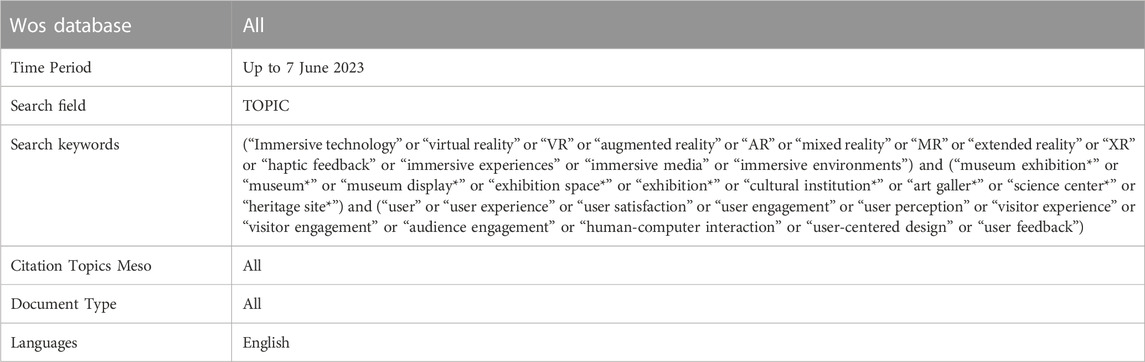
TABLE 1. Search string.
5 Result and discussion
5.1 Trends in publication and descriptive analysis
The Web of Science database search yielded 5,305 citations for the selected articles (N = 722), 4,690 of which were without self-citations. The average number of citations per article was 7.35, with an H-index of 29. This compilation of 722 articles demonstrates a growing interest in immersive technology literature, particularly emphasizing user experience in museum exhibitions. Although such research began in 1994, significant contributions did not appear until 2013. Since then, the number of relevant publications has increased in a fluctuating trend. Figure 2 depicts the number of published articles and their corresponding citations from 1994 to 2023.
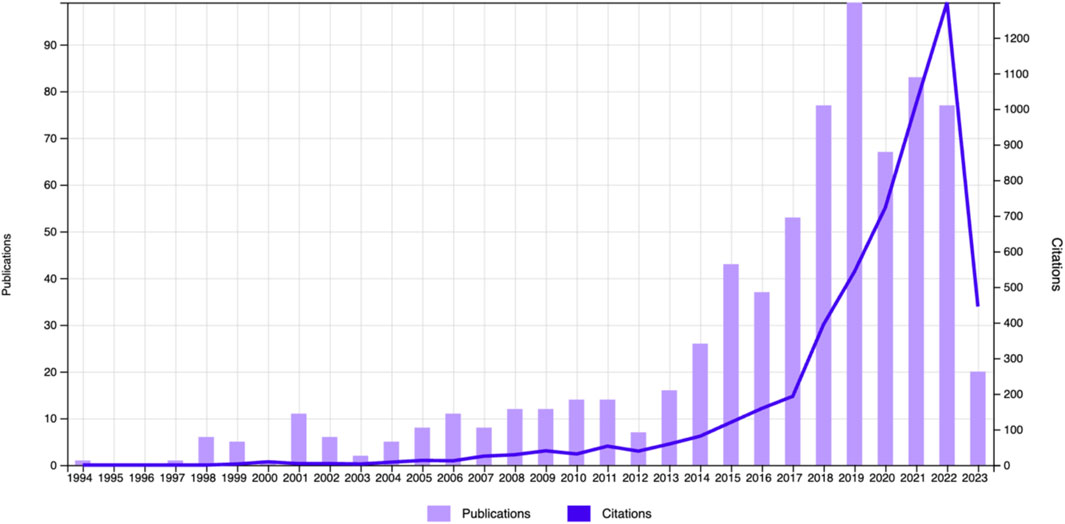
FIGURE 2. Number of publications and citations between 1994 and 2023 (source: Web of Science).
5.2 Co-citation analysis
The co-citation analysis was carried out with a citation threshold of 52, yielding a total of 10 cited references. Figure 3 depicts the network analysis based on these sources. Table 2 lists the top ten co-cited references with the highest total link strength. Bekele et al. (2018) were cited 56 times, Jung et al. (2015) were cited 25 times, and tom Dieck and Jung (2018a) were cited 19 times.
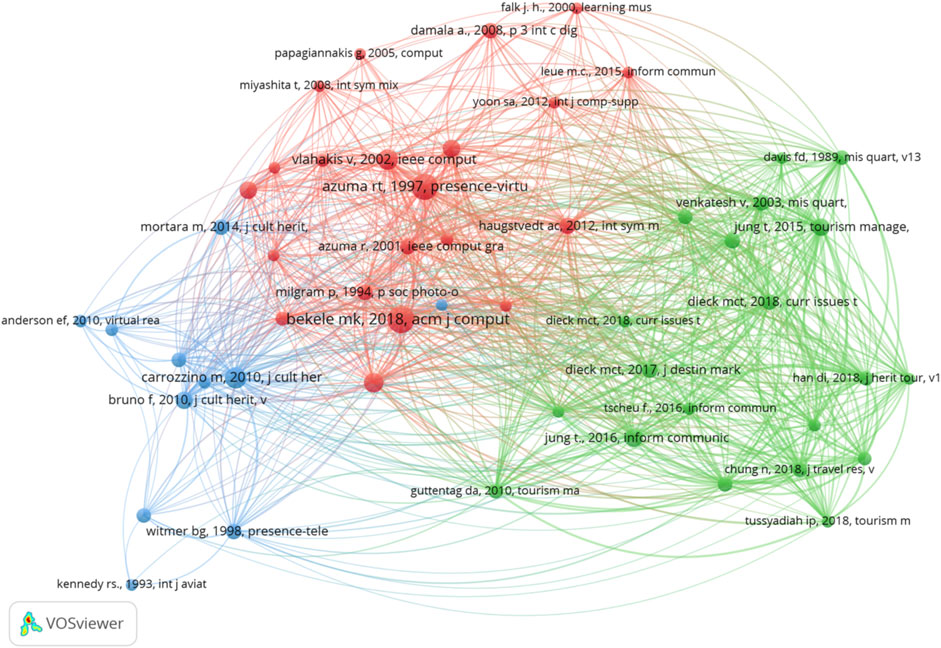
FIGURE 3. Co-citation analysis (VOSviewer visualization).
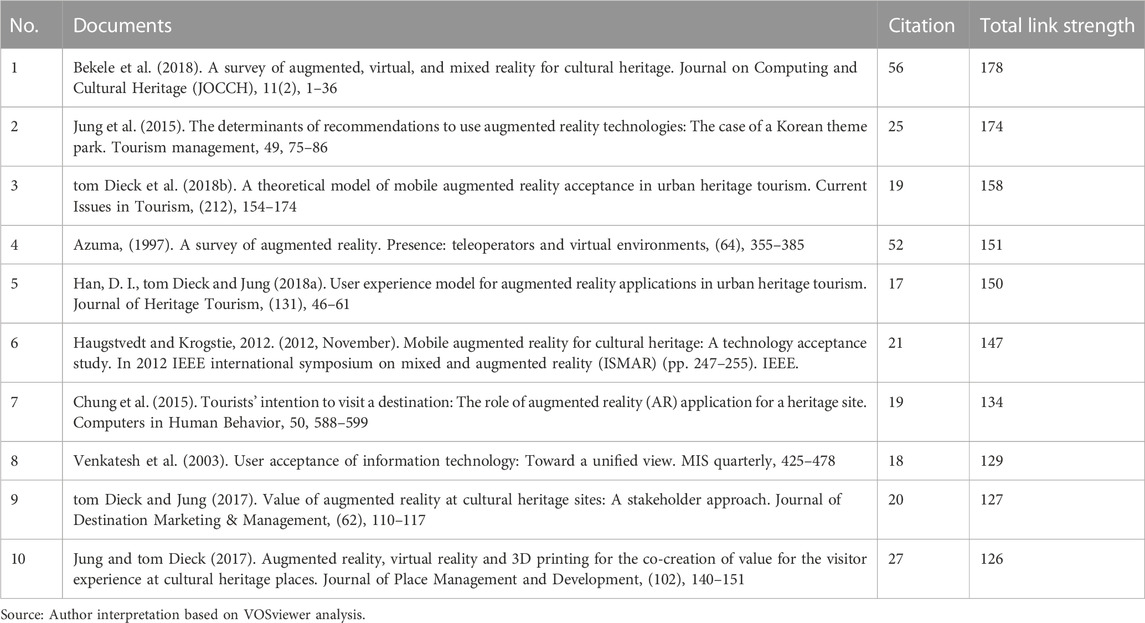
TABLE 2. Top 10 documents in terms of co-citation and total link strength.
The co-citation analysis revealed three distinct clusters, each with its own theme. These clusters represent collections of related and thematically comparable publications. Similar publications are grouped into the same cluster, which is represented by nodes of the same color. The following are the descriptions and labels for each cluster:
Cluster 1 (Red) has 21 publications with the title “AR for educational enhancement”. The role of AR as an educational and engagement tool in cultural heritage contexts was the focus of this cluster. From the pioneering work of Azuma et al. (2001), who provided comprehensive surveys on AR, to more recent explorations by Bekele et al. (2018); Billinghurst et al. (2015), there has been a significant effort made to understand AR’s potential in diverse cultural heritage environments. Applications range from painting appreciation (Chang et al., 2014) to immersive museum guides (Damala et al., 2008; Miyashita et al., 2008). The ability of augmented reality to bridge the gap between the digital and physical worlds, thereby improving visitor experiences and educational opportunities, is the point of convergence of these publications. Milgram et al. (1995) developed a taxonomy for this continuum, which has since influenced AR applications in these environments. Notably, several works, including those by Sylaiou et al. (2010), have investigated how AR can provide a presence-centered approach to improving usability and engagement in virtual museums.
Cluster 2 (Green) has a total of 20 publications. This research article cluster focuses on “human factors, acceptance, and visitor experiences.” This cluster of publications takes a broader view, considering not only the use of AR in cultural heritage and tourism, but also the human factors that influence its acceptance. The studies range from analyses of cross-cultural differences to theoretical models of AR acceptance in heritage tourism (Tussyadiah et al., 2018b; Jung et al., 2018). Davis (1989) investigates perceived usefulness and ease of use in technology acceptance to provide a framework for these investigations. In addition, these publications investigate the effects of AR on visitor behaviors and attitudes (He et al., 2018), recognizing that this technology has the potential to shape visitor experiences and influence their intentions (Chung et al., 2015; 2018). A central theme in this cluster is the potential for AR to co-create value in the visitor experience (Jung & tom Dieck, 2017), indicating a growing emphasis on AR’s transformative power in the tourism industry.
Cluster 3 (Blue) contains 11 publications. This cluster investigates the dynamics of serious game-driven and interactive 3D heritage experiences. Researchers have examined the development of serious games to preserve and educate cultural heritage (Anderson et al., 2010; Mortara et al., 2014). These games use VR technology to create immersive and interactive explorations of cultural artifacts and historical sites. In addition, incorporating 3D reconstruction and VR has made it possible to create virtual archaeological exhibitions (Styliani et al., 2009; Bruno et al., 2010; Kiourt et al., 2016; Kersten et al., 2017). Visitors are able to navigate and interact with digital representations of artifacts and cultural spaces in these immersive and dynamic virtual environments. In order to evaluate the efficacy of VR experiences, researchers have developed methods for measuring the presence and user experience (Kennedy et al., 1993). VR has the potential to revolutionize how people engage with and learn about cultural heritage by combining virtual environments, serious games, and interactive 3D reconstructions, thereby making cultural heritage more accessible, interactive, and enjoyable for diverse audiences.
Table 3 summarizes the co-citation analysis performed on immersive technology in museum exhibitions, focusing on user experience. Cluster labels, the number of publications, and representative publications are all included in Table 3.
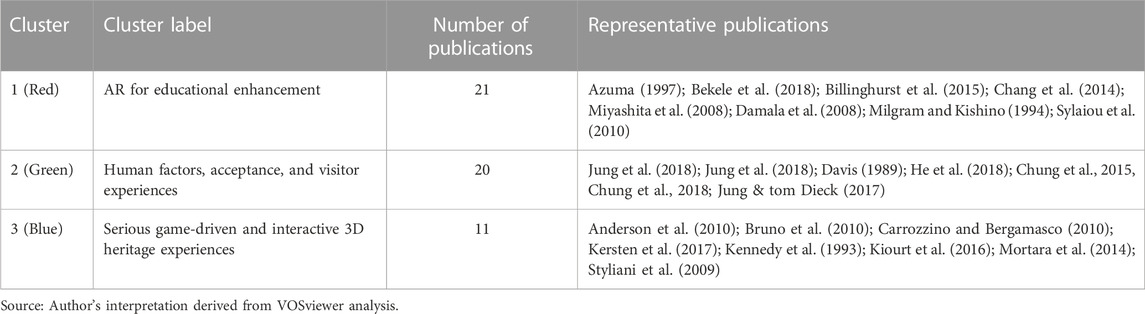
TABLE 3. Co-citation analysis focusing on user experience in immersive technology within museum exhibitions.
The co-citation analysis and an evaluation utilizing the Reality-Virtuality Continuum offer a comprehensive understanding of the immersive technology literature. The articles were evaluated based on their focus—AR, VR, or a blend of both (MR). The continuum identified the AR emphasis in the first cluster, primarily driven by the works of Azuma (1997); Bekele et al. (2018). The second cluster also leaned towards AR, investigating human factors influencing AR adoption. The third cluster predominantly focused on VR, observing the development of entirely virtual, game-driven heritage experiences, exemplifying works like those by Anderson et al. (2010); Mortara et al. (2014). Thus, integrating the Reality-Virtuality Continuum into our examination yields more profound insights into trends within the immersive technology landscape in museum exhibitions.
5.3 Co-occurrence of keyword
A minimum of 10 occurrences for each of the 45 identified keywords were found. The co-word analysis revealed that the most frequently used keyword was “augmented reality,” with 232 occurrences, followed by “virtual reality” (190 occurrences) and “cultural heritage” (83 occurrences). Table 4 displays the top 15 co-occurring keywords. The network structure of keyword co-occurrences is depicted in Figure 4, which consists of five distinct yet seemingly interconnected clusters. Each cluster’s following characteristics are examined and discussed:
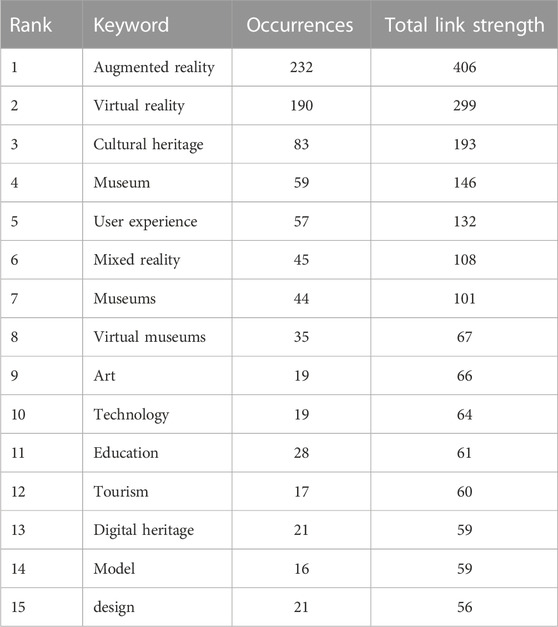
TABLE 4. The 15 most frequent keywords in the keyword co-occurrence analysis.
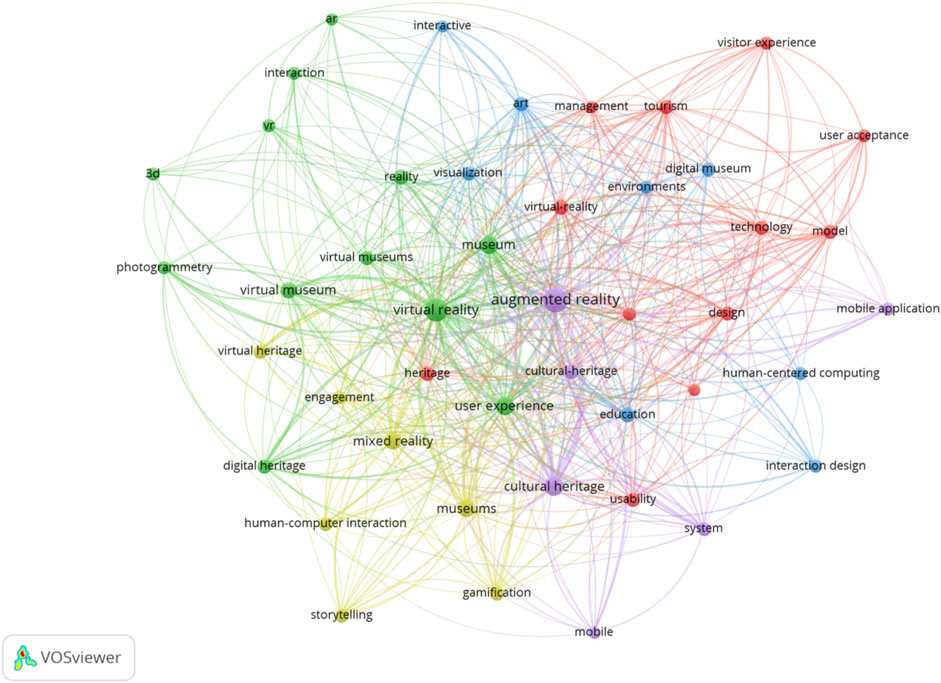
FIGURE 4. Co-word analysis (VOSviewer visualization).
Cluster 1 (Red): This cluster contains 12 keywords under the heading “VR and AR-Enhanced Heritage Tourism.” Through the seamless integration of technology into daily life, AR is redefining the user experience in the tourism industry (Rauschnabel et al., 2022). Traditional heritage sites are enhanced with digital overlays to improve visitor experience (Zhu et al., 2023). Visitors use mobile devices in this model to interact with and learn about heritage sites in a highly engaging and immersive manner (Okanovic et al., 2022). A user-friendly design and the importance of usability are critical in users’ acceptance of this technology (Cesário et al., 2023). The effective management of this technology is critical in ensuring seamless, user-centric experiences that blend virtual reality with real-world environments (Cranmer et al., 2021). Consequently, the “tour” changes from a static, passive experience to a dynamic, individualized journey through history (Panhale et al., 2022). The combination of tradition and technology not only improves the visitor experience, but also conserves and promotes cultural heritage engagingly and innovatively (Longo and Faraci, 2023). As a result, VR and AR-enhanced heritage tourism is foreshadowing the future of travel and heritage preservation.
Cluster 2 (Green): This cluster contains 12 keywords related to the topic “VR and AR-enabled virtual museums”. Innovations in AR, VR, and 3D photogrammetry are reshaping the future landscape of museums and heritage conservation (Waern and Løvlie, 2022). This shift is altering the way viewers interact with relics, vastly enhancing their experiences. The technology of 3D photogrammetry is leveraged to digitize physical relics into high-definition 3D replicas (Ramm et al., 2022). When used with AR and VR interfaces, these digital models enable museumgoers to explore exhibitions remotely, unrestricted by geographical location (Margetis et al., 2020). This virtual engagement with relics gives users an understanding of facets, textures, and minute details that often go unnoticed in conventional museum environments (Man and Gao, 2023). The application of AR technology superimposes historical and contextual information onto the artifacts being viewed, establishing a deeper connection with our shared heritage (Boboc et al., 2022). Such a transformation widens the scope of access to global heritage by permitting countless viewers to engage with exhibits, simultaneously safeguarding original items from physical deterioration.
Cluster 3 (Blue): This cluster consists of 8 keywords and is centered on the theme “interactive digital art education in immersive environments.” The use of human-focused computational engagement and innovative visualization methodologies is instigating a revolutionary movement in the domains of art and learning. This shift encompasses utilizing the capabilities of digital tech, specifically principles of interaction design, for the development of virtual museums. These digital museums deliver immersive, captivating, and instructional experiences for users (Lion-Bailey et al., 2023). Unlike traditional museums, these virtual platforms allow users to engage directly with artistic works and view them from diverse angles (Meinecke et al., 2022). Immersive settings enhance the educational worth of these platforms through fostering hands-on learning experiences (Chiu et al., 2023). Moreover, these digital museums employ a design approach focused on human-computer interaction, emphasizing user requirements and experiences (Zidianakis et al., 2021). Interactive functionalities vary from basic clicks unveiling details about a piece of art, to more advanced engagements such as 3D manipulations, virtual reality tours, or even AI-facilitated conversations about the art piece (Cecotti, 2022).
Cluster 4 (Yellow): This cluster of 7 keywords focuses on the theme of “immersive storytelling in virtual heritage spaces.” Museums and heritage sites are leveraging advancements in MR and gamification to provide more engaging experiences as we move deeper into the digital age (Olaz et al., 2022). This has given rise to an immersive storytelling trend in virtual heritage spaces, where users can interact with richly detailed, digitally reconstructed versions of historical environments (Verhulst et al., 2021). Human-computer interaction is critical here, with intuitive interfaces that allow users to explore, interact, and engage with the past in previously unimaginable ways (Rogers et al., 2023). Gamification elements motivate and reward exploration in virtual tours (De Luca et al., 2022). Mixed reality interfaces, which combine the real and virtual worlds, open up new ways to interact with artifacts and historical narratives (Ranjan and Chaturvedi, 2023). The increased use of AR, VR, and MR technologies, combined with gamification, enables a more personal and immersive level of storytelling. Museums become dynamic heritage spaces, allowing visitors to feel like participants in the historical narrative, rather than just repositories of historical objects.
Cluster 5 (Purple): This cluster of 6 keywords focuses on the theme of “mobile AR heritage revival.” The creation of immersive cultural heritage experiences through mobile AR heritage revival applications is one emerging trend that capitalizes on AR, cultural heritage, mobile applications, and systems. These innovative systems allow users to interact with and experience cultural heritage novelly. Users can see historical sites, artifacts, and monuments as they were hundreds or even thousands of years ago through the lens of a smartphone or AR glasses (De Luca et al., 2022). The system uses geo-location data and sophisticated image recognition software to render accurate, lifelike 3D models superimposed over real-world structures (Evangelidis et al., 2020). Based on meticulous historical research and archaeological data, this digital rejuvenation brings bygone eras and lost cultures to life (Stylianidis et al., 2022). These AR applications are boosting tourism and education by allowing people to appreciate and understand cultural heritage more engagingly and intimately (Boboc et al., 2022).
Table 5 summarizes the user experience of immersive technology in museum exhibitions using co-word analysis. It consists of cluster labels, the number of keywords, and representative keywords.
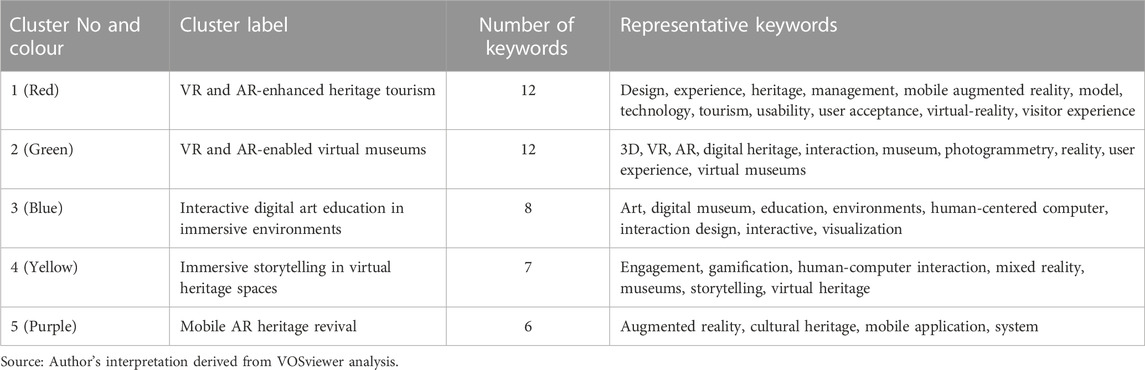
TABLE 5. Co-word analysis focusing on user experience in immersive technology within museum exhibitions.
6 Implication
The findings from this comprehensive bibliometric analysis of immersive technology in museum exhibitions have both theoretical and practical implications. The study underscores and validates the transformative impact of immersive technology on visitor experiences witnessed in exhibition spaces. This manifests in identifying unique research directions, recognizing the need for collaborations, and emphasizing evolving visitor experience trends within museums.
6.1 Theoretical implication
The findings of this bibliometric analysis, which delves into the literature on immersive technology within museum exhibitions, specifically addressing user experience, carry several theoretical implications. These implications contribute to existing academic research and provide a framework for future investigations.
Expanding the Understanding of User Experience: By exploring how immersive technology is applied in museum exhibitions, this study underscores the significance of user experience as a primary driving factor in technological advancements. “Cluster 2: Human factors, acceptance, and visitor experiences” conveys the necessity for further expounding upon the human elements related to adopting these technologies. Understanding and addressing technological acceptance and user attitudes would be beneficial to successfully implementing these technologies and allow value co-citation within visitor experiences. In addition to examining user satisfaction and engagement, the analysis also sheds light on other crucial aspects of user experience, such as perception and VR interaction design (Barbieri et al., 2018). This expanded understanding enriches the theoretical foundations of user experience in immersive technology and provides insights into how museums can design and enhance visitor experiences. Mortara et al. (2014) research highlights how these technologies offer new opportunities for museums to create interactive, educational, and engaging experiences for their visitors.
Promoting Cross-disciplinary Collaboration: this research’s findings underline the intersectionality of varied fields within the thematic clusters. This suggests that the application of immersive technology in museum exhibitions isn’t an isolated task within a singular domain, but rather a collaborative undertaking that integrates insights from diverse disciplines. For instance, the intervention of management principles and design concepts from fields like business studies and design is highlighted in “Cluster 1: VR and AR-enhanced heritage tourism.” Similarly, “Cluster 3: Interactive digital art education in immersive environments” underscores the need to incorporate principles from Computer Science, specifically human-computer interaction and advanced computational techniques, indicating a combined effort between Computer Science and Art Education scholars. This interdisciplinary integration is echoed in previous research (Schofield et al., 2018b; Bec et al., 2019; Dwivedi et al., 2022) and stresses the value of cross-disciplinary collaborations in developing and deploying immersive technology in museum settings for more impactful visitor experiences. Consequently, museums and relevant entities are urged to embrace and facilitate such collaborations actively.
Emergent User-centric Design Approaches: The analysis underlines an increasing focus on user-centric design incorporating immersive technologies in museums and exhibitions. Co-citation Analysis highlighted three main clusters: “AR for educational enhancement,” focusing on improved visitor experiences; “human factors, acceptance, and visitor experiences,” emphasizing the importance of users’ acceptance and experiences of innovative technology; and “serious game-driven and interactive 3D heritage experiences,” accentuating the interactive and engaging nature of VR-based experiences. Similarly, co-word analysis emphasized themes of enhanced heritage tourism and virtual museum experiences facilitated by VR and AR technology. The thematic clusters emphasize developing and employing immersive technologies in museum contexts designed to emphasize user needs. The results highlight the urgent need for design strategies in museums and exhibition settings considering specific user necessities and expectations. This guides designers in creating immersive technology experiences that enhance user engagement, promoting further understanding and appreciation of cultural artifacts.
Evaluating User Experience Approaches: The paper delves into various methodologies for evaluating visitor experiences in immersive museum environments, such as usability testing, interviews, surveys, and observations. These methods assess key elements like ease of use, enjoyment, and perceived learning derived from AR/VR projects. For instance, usability testing involves observing and recording how visitors interact with VR/AR installations, providing insights into navigational challenges, perceptual issues, or technical problems that may hinder the visitor’s experience. Interviews and surveys are particularly useful for gauging visitor reactions post-experience, eliciting their feelings, perceptions, learning, and the impact of the immersive experience on their overall visit. Observational methods allow for real-time data collection on how visitors engage with the technology and navigate the exhibition, offering rich qualitative insights into visitor behavior, interaction, and engagement. These methods provide a comprehensive understanding of the visitor’s experience within the immersive environment. Interspersed throughout the paper, we provide real-world examples of successful AR/VR projects in museums that have effectively leveraged these evaluation methods to refine their visitor experiences to be more engaging, accessible, and educational, demonstrating the practical application of these evaluation strategies in the field.
6.2 Practical implication
As presented in this study, the practical implications of immersive technology for museum exhibitions could offer potentially useful insights for cultural institutions and museum management. These implications span various dimensions, such as content development, enhancing visitor engagement, expanding accessibility, and fostering educational opportunities, providing actual examples and user experience evaluation methods to ensure a clearer understanding of the field, its practical application, and prospective direction.
Content Development: AR, VR, and MR technologies offer a new realm of possibilities for content development in museum exhibitions. A prime example can be seen in the British Museum’s VR Bronze Age exhibit, which used Samsung Gear VR headsets to provide viewers with a 3D interactive view of domestic life in Bronze Age Britain (Puig et al., 2020). Similar strategic usage of immersive technologies empowers museums to revitalize traditional exhibition spaces, promote visitor engagement, and diversify storytelling methods (Azuma, 2015; Dal Falco and Vassos, 2017). By utilizing AR, VR, and MR, narratives buried within cultural heritage can be dynamically and interactively brought to life.
Enhancing Visitor Engagement: The Smithsonian Institution’s adoption of VR for the exhibition, “No Spectators: The Art of Burning Man,” in 2017, demonstrates the potential of this immersive technology within museum settings (Sylaiou et al., 2018). This practical application allowed visitors to explore the gallery and engage with exhibits virtually, providing deeper content immersion and enriched experiences (Traboulsi et al., 2018; Vaz et al., 2018). Improved interface usability and meaningful content integration are crucial to encouraging positive visitor engagement with VR technologies, ultimately enriching the museum experience. Within the bibliometric analysis, the significance of human-computer interaction principles, user-centric design, and visitor feedback incorporation emerged as key enhancers of visitor experiences in museums deploying immersive technology. Our co-citation and co-word analysis emphasized the criticality of ease of use, intuitive interfaces, and seamless navigation within VR/AR platforms (Azuma, 2015; Billinghurst et al., 2015). These implications suggest the potential for personalizing VR/AR experiences based on visitor feedback, currently an underexplored area in the literature. For instance, museums could incorporate adaptive algorithms or artificial intelligence techniques for personalization, thereby tailoring the visitor journey to individual preferences. Such enhancements could optimize visitor satisfaction and pave the way for future research into the effective personalization of immersive technologies within museum contexts.
Expanding Accessibility: Louvre, the world’s most visited museum, paired up with HTC Vive Arts to create a VR tour of the museum, where users can virtually navigate and interact with the exhibits (McGivern, 2019). By offering such virtual tours and exhibits, museums can transcend geographic limitations, making their collections accessible to a global audience. Additionally, customizable digital interfaces can cater to individuals with varied sensory preferences or mobility limitations, promoting inclusive practices. Specific age demographics, such as children and seniors, can also benefit from tailored immersive experiences. Therefore, the proliferation of VR, AR, and MR technologies can democratize and widen access to culture and heritage.
Fostering Educational Opportunities: The Smithsonian Institution, for instance, has implemented an AR app, “Skin and Bones,” which brings 13 different fossils and skeletons on display at the museum to life (Borda and Bowen, 2017). The tablet-based application overlays digital graphics onto the actual exhibits, offering the viewers a deeper understanding of the creatures that once roamed Earth. Museums adopting AR overlays can offer added information or reveal hidden details of the artifacts on display, thereby enhancing on-site learning experiences (Kennedy et al., 2021). Likewise, developing interactive VR games can stimulate public curiosity towards culture, history, and art, aligning with various learning preferences and attracting younger generations (Kim and Lee, 2022). Drawing upon the insights from these exemplars, this study proposes that integrating immersive technologies into pedagogical strategies within museum contexts can significantly augment learning outcomes and visitor engagement. Nevertheless, it necessitates substantial empirical exploration to fully grasp the scope and advantages of AR and VR in museum education. Factors such as visitor age groups, diverse learning styles, and the nature of the exhibit content require careful consideration in tailoring these technologies for optimal pedagogical impact. Despite the promising potential of immersive technologies in enhancing visitor experiences, as elucidated in Section 5 of this study, future research initiatives should strive to delve deeper into understanding how tailored applications of these technologies across varying visitor demographics shape educational outcomes in the museum context.
In summary, this study suggests that immersive technology can significantly reshape the landscape of museum exhibitions, transforming them into more engaging, accessible, and educational experiences for visitors. Consequently, museum practitioners and administrators are encouraged to consider integrating such technology into their strategic development and operations. These practical implications emphasize the importance of creating intricate ties between museums and visitors. By embracing immersive technology, museums can thrive in the digital age, enriching visitors’ experiences, expanding access to cultural heritage, and fostering impactful educational opportunities.
7 Conclusion, limitations, and future avenues
In conclusion, this paper presented a bibliometric analysis of the current literature on immersive technology regarding museum exhibitions, particularly on VR, AR, and user experience. Through co-citation and co-word analysis, the research mapped out the trends and evolving areas within the field, highlighting five interconnected thematic clusters emerging in the current literature: VR and AR-enhanced heritage tourism; VR and AR-enabled virtual museums; interactive digital art education in immersive environments; immersive storytelling in virtual heritage spaces; and mobile AR heritage revival. This research also revealed the prevalent focus on utilizing VR for profound game-driven experiences and interactive 3D heritage, enhancing visitor engagement and broadening access to cultural content.
This study, although offering some beneficial perspectives, acknowledges limitations primarily due to its literature source constraints, being confined to specific databases that may not fully encompass the wider field. The ongoing digital transformation in the cultural heritage domain is enhanced by the intersection of immersive technologies with emerging disruptive technologies, like artificial intelligence, digital twins, virtual agents, data interaction, and personalization. Therefore, future exploration of diverse literature sources, including ACM Digital Library, IEEE Xplore, JSTOR, and ProQuest, and databases specific to fields such as social sciences, psychology, and applied sciences, is encouraged to gain a more holistic comprehension of the multifaceted role of immersive technology in museum exhibitions. Equally, this study’s methodological limitations lie in its predominantly quantitative focus, which may neglect nuanced aspects of user experiences. Concisely, addressing these limitations would necessitate further investigation using qualitative and mixed methods approaches to uncover profound nuances linked to emotional engagement, cognitive interaction, and accessibility issues about user experiences.
The ever-evolving landscape of immersive technology opens new research avenues and further questions to explore. Future research could delve deeper into specific applications and use cases of immersive technology in various museums and cultural institutions. In addition, integrating other technological advancements, such as artificial intelligence, machine learning, and blockchain in the context of digital museum exhibitions can be a promising area of research. Studies focusing on the effect of these immersive technologies on different visitor demographics, including age, technology literacy, and cultural background, can also provide a fuller understanding of user experience in digital museum environments. Further, given the inevitable impact of the COVID-19 pandemic on the use of digital spaces within museums, examining this particular period would offer valuable insights into the adaptability and resilience of cultural institutions in times of crisis. This paper represents an initiative toward understanding the evolving significance of immersive technology within museum settings. The intricate weaving of user experience into the core of this analysis underpins the study’s utility and insights. This perspective allows researchers and practitioners to attune to end users’ needs, preferences, and behaviors, ensuring the technology and exhibitions are visitor centric. This user experience focuses guides future research by prompting us to consider how users interact with technology, how technology may shape their museum experiences and perception of cultural heritage, and how these experiences could be enhanced. As such, this study offers useful contributions for future research on user experience, potentially directing the focus toward results that are not only further insightful but also more responsive to the needs and aspirations of museum visitors in the digital age.
Data availability statement
The raw data supporting the conclusion of this article will be made available by the authors, without undue reservation.
Author contributions
JL, YO, and WW contributed to the concept and design of the study. JL and WW collected the literature, performed the review, and wrote the first draft of the manuscript. YO and MF contributed to manuscript revision, restructuring, and completing the insufficient parts. All authors contributed to the article and approved the submitted version.
Funding
This research was supported by the Japan Science and Technology Agency, SPRING, Grant number JPMJSP2124, and Pixie Dust Technologies.
Acknowledgments
The authors acknowledge the contributions of their colleagues from other fields who shared their knowledge about how immersive technology (such as VR and AR) can be used in various fields.
Conflict of interest
The authors declare that the research was conducted in the absence of any commercial or financial relationships that could be construed as a potential conflict of interest.
Publisher’s note
All claims expressed in this article are solely those of the authors and do not necessarily represent those of their affiliated organizations, or those of the publisher, the editors and the reviewers. Any product that may be evaluated in this article, or claim that may be made by its manufacturer, is not guaranteed or endorsed by the publisher.
References
Anastasovitis, E., and Roumeliotis, M. (2023). Transforming computed tomography scans into a full-immersive virtual museum for the Antikythera Mechanism. Digital Appl. Archaeol. Cult. Herit. 28, e00259. doi:10.1016/j.daach.2023.e00259
Anderson, E. F., McLoughlin, L., Liarokapis, F., Peters, C., Petridis, P., and De Freitas, S. (2010). Developing serious games for cultural heritage: A state-of-the-art review. Virtual Real. 14, 255–275. doi:10.1007/s10055-010-0177-3
Arayaphan, W., Intawong, K., and Puritat, K. (2022). Digitalization of ancient fabric using virtual reality technology at the Wieng Yong House museum: the fabricVR project. Digital Appl. Archaeol. Cult. Herit. 26, e00233. doi:10.1016/j.daach.2022.e00233
Azuma, R., Baillot, Y., Behringer, R., Feiner, S., Julier, S., and MacIntyre, B. (2001). Recent advances in augmented reality. IEEE Comput. Graph. Appl. 21 (6), 34–47. doi:10.1109/38.963459
Azuma, R. (2015). Location-Based mixed and augmented reality storytelling. Boca Raton, FL, USA: CRC Press.
Azuma, R. T. (1997). A survey of augmented reality. Presence teleoperators virtual Environ. 6 (4), 355–385. doi:10.1162/pres.1997.6.4.355
Barbieri, L., Bruno, F., and Muzzupappa, M. (2018). User-centered design of a virtual reality exhibit for archaeological museums. Int. J. Interact. Des. Manuf. (IJIDeM) 12, 561–571. doi:10.1007/s12008-017-0414-z
Bec, A., Moyle, B., Schaffer, V., and Timms, K. (2021). Virtual reality and mixed reality for second chance tourism. Tour. Manag. 83, 104256. doi:10.1016/j.tourman.2020.104256
Bec, A., Moyle, B., Timms, K., Schaffer, V., Skavronskaya, L., and Little, C. (2019). Management of immersive heritage tourism experiences: A conceptual model. Tour. Manag. 72, 117–120. doi:10.1016/j.tourman.2018.10.033
Bekele, M. K., and Champion, E. (2019). A comparison of immersive realities and interaction methods: cultural learning in virtual heritage. Front. Robotics AI 6, 91. doi:10.3389/frobt.2019.00091
Bekele, M. K., Pierdicca, R., Frontoni, E., Malinverni, E. S., and Gain, J. (2018). A survey of augmented, virtual, and mixed reality for cultural heritage. J. Comput. Cult. Herit. (JOCCH) 11 (2), 1–36. doi:10.1145/3145534
Billinghurst, M., Clark, A., and Lee, G. (2015). A survey of augmented reality. Found. Trends® Human–Computer Interact. 8 (2-3), 73–272. doi:10.1561/1100000049
Birkle, C., Pendlebury, D. A., Schnell, J., and Adams, J. (2020). Web of Science as a data source for research on scientific and scholarly activity. Quantitative Sci. Stud. 1 (1), 363–376. doi:10.1162/qss_a_00018
Boboc, R. G., Băutu, E., Gîrbacia, F., Popovici, N., and Popovici, D. M. (2022). Augmented reality in cultural heritage: an overview of the last decade of applications. Appl. Sci. 12 (19), 9859. doi:10.3390/app12199859
Borda, A., and Bowen, J. “Smart cities and cultural heritage-A review of developments and future opportunities,” in Proceedings of the EVA. BCS, London, UK, 2017, July.
Bozzelli, G., Raia, A., Ricciardi, S., De Nino, M., Barile, N., Perrella, M., et al. (2019). An integrated VR/AR framework for user-centric interactive experience of cultural heritage: the arkaeVision project. Digital Appl. Archaeol. Cult. Herit. 15, e00124. doi:10.1016/j.daach.2019.e00124
Bronk, K. C., Reichard, R. J., and Qi Li, J. (2023). A co-citation analysis of purpose: trends and (potential) troubles in the foundation of purpose scholarship. J. Posit. Psychol. 18, 1012–1026. doi:10.1080/17439760.2023.2168563
Bruno, F., Bruno, S., De Sensi, G., Luchi, M. L., Mancuso, S., and Muzzupappa, M. (2010). From 3D reconstruction to virtual reality: A complete methodology for digital archaeological exhibition. J. Cult. Herit. 11 (1), 42–49. doi:10.1016/j.culher.2009.02.006
Burlingame, K. (2022). Presence in affective heritagescapes: connecting theory to practice. Tour. Geogr. 24 (2-3), 263–283. doi:10.1080/14616688.2019.1696882
Carrozzino, M., and Bergamasco, M. (2010). Beyond virtual museums: experiencing immersive virtual reality in real museums. J. Cult. Herit. 11 (4), 452–458. doi:10.1016/j.culher.2010.04.001
Cecotti, H. (2022). Cultural heritage in fully immersive virtual reality. Virtual Worlds 1 (1), 82–102. doi:10.3390/virtualworlds1010006
Cesário, V., Freitas, J., and Campos, P. (2023). Empowering cultural heritage professionals: designing interactive exhibitions with authoring tools. Mus. Manag. Curatorsh., 1–15. doi:10.1080/09647775.2023.2209896
Chang, C. Y., Kuo, H. C., and Du, Z. (2023). The role of digital literacy in augmented, virtual, and mixed reality in popular science education: A review study and an educational framework development. Virtual Real. 27, 2461–2479. doi:10.1007/s10055-023-00817-9
Chang, K. E., Chang, C. T., Hou, H. T., Sung, Y. T., Chao, H. L., and Lee, C. M. (2014). Development and behavioral pattern analysis of a mobile guide system with augmented reality for painting appreciation instruction in an art museum. Comput. Educ. 71, 185–197. doi:10.1016/j.compedu.2013.09.022
Chang, Y. L., Hou, H. T., Pan, C. Y., Sung, Y. T., and Chang, K. E. (2015). Apply an augmented reality in a mobile guidance to increase sense of place for heritage places. J. Educ. Technol. Soc. 18 (2), 166–178.
Checa, D., and Bustillo, A. (2020). A review of immersive virtual reality serious games to enhance learning and training. Multimedia Tools Appl. 79, 5501–5527. doi:10.1007/s11042-019-08348-9
Chen, S. X., Wu, H. C., and Huang, X. (2023). Immersive experiences in digital exhibitions: the application and extension of the service theater model. J. Hosp. Tour. Manag. 54, 128–138. doi:10.1016/j.jhtm.2022.12.008
Chiu, M. C., Hwang, G. J., and Hsia, L. H. (2023). Promoting students' artwork appreciation: an experiential learning-based virtual reality approach. Br. J. Educ. Technol. 54 (2), 603–621. doi:10.1111/bjet.13265
Chung, N., Han, H., and Joun, Y. (2015). Tourists’ intention to visit a destination: the role of augmented reality (AR) application for a heritage site. Comput. Hum. Behav. 50, 588–599. doi:10.1016/j.chb.2015.02.068
Chung, N., Lee, H., Kim, J. Y., and Koo, C. (2018). The role of augmented reality for experience-influenced environments: the case of cultural heritage tourism in korea. J. Travel Res. 57 (5), 627–643. doi:10.1177/0047287517708255
Craig, A. B. (2013). Understanding augmented reality: Concepts and applications. Burlington, Massachusetts, United States: Morgan Kaufmann Publishers.
Cranmer, E. E., Urquhart, C., tom Dieck, M. C., and Jung, T. (2021). Developing augmented reality business models for SMEs in tourism. Inf. Manag. 58 (8), 103551. doi:10.1016/j.im.2021.103551
Dahroug, A., Vlachidis, A., Liapis, A., Bikakis, A., Lopez-Nores, M., Sacco, O., et al. (2021). Using dates as contextual information for personalised cultural heritage experiences. J. Inf. Sci. 47 (1), 82–100. doi:10.1177/0165551519871823
Dal Falco, F., and Vassos, S. (2017). Museum experience design: A modern storytelling methodology. Des. J. 20 (1), S3975–S3983. doi:10.1080/14606925.2017.1352900
Damala, A., Cubaud, P., Bationo, A., Houlier, P., and Marchal, I. “Bridging the gap between the digital and the physical: design and evaluation of a mobile augmented reality guide for the museum visit,” in Proceedings of the 3rd international conference on Digital Interactive Media in Entertainment and Arts, Athens Greece, 2008, September, 120–127.
Davis, F. D. (1989). Perceived usefulness, perceived ease of use, and user acceptance of information technology. MIS Q. 13, 319–340. doi:10.2307/249008
De Luca, V., Marcantonio, G., Barba, M. C., and De Paolis, L. T. (2022). A virtual tour for the promotion of tourism of the city of Bari. Information 13 (7), 339. doi:10.3390/info13070339
Dogan, E. V. İ. N. Ç., and Kan, M. H. (2020). Bringing heritage sites to life for visitors: towards a conceptual framework for immersive experience. Adv. Hosp. Tour. Res. (AHTR) 8, 76–99. doi:10.30519/ahtr.630783
Dwivedi, Y. K., Hughes, L., Baabdullah, A. M., Ribeiro-Navarrete, S., Giannakis, M., Al-Debei, M. M., et al. (2022). Metaverse beyond the hype: multidisciplinary perspectives on emerging challenges, opportunities, and agenda for research, practice and policy. Int. J. Inf. Manag. 66, 102542. doi:10.1016/j.ijinfomgt.2022.102542
Errichiello, L., Micera, R., Atzeni, M., and Del Chiappa, G. (2019). Exploring the implications of wearable virtual reality technology for museum visitors' experience: A cluster analysis. Int. J. Tour. Res. 21 (5), 590–605. doi:10.1002/jtr.2283
Eswaran, M., and Bahubalendruni, M. R. (2022). Challenges and opportunities on AR/VR technologies for manufacturing systems in the context of industry 4.0: A state of the art review. J. Manuf. Syst. 65, 260–278. doi:10.1016/j.jmsy.2022.09.016
Evangelidis, K., Sylaiou, S., and Papadopoulos, T. (2020). Mergin’mode: mixed reality and geoinformatics for monument demonstration. Appl. Sci. 10 (11), 3826. doi:10.3390/app10113826
Fan, X., Jiang, X., and Deng, N. (2022). Immersive technology: A meta-analysis of augmented/virtual reality applications and their impact on tourism experience. Tour. Manag. 91, 104534. doi:10.1016/j.tourman.2022.104534
Farooq, B., Cherchi, E., and Sobhani, A. (2018). Virtual immersive reality for stated preference travel behavior experiments: A case study of autonomous vehicles on urban roads. Transp. Res. Rec. 2672 (50), 35–45. doi:10.1177/0361198118776810
Fenu, C., and Pittarello, F. (2018). Svevo tour: the design and the experimentation of an augmented reality application for engaging visitors of a literary museum. Int. J. Human-Computer Stud. 114, 20–35. doi:10.1016/j.ijhcs.2018.01.009
Ferdani, D., Fanini, B., Piccioli, M. C., Carboni, F., and Vigliarolo, P. (2020). 3D reconstruction and validation of historical background for immersive VR applications and games: the case study of the forum of augustus in rome. J. Cult. Herit. 43, 129–143. doi:10.1016/j.culher.2019.12.004
Flavián, C., Ibáñez-Sánchez, S., and Orús, C. (2019). The impact of virtual, augmented and mixed reality technologies on the customer experience. J. Bus. Res. 100, 547–560. doi:10.1016/j.jbusres.2018.10.050
Freina, L., and Ott, M. “A literature review on immersive virtual reality in education: state of the art and perspectives,” in Proceedings of the international scientific conference elearning and software for education, Bucharest, Romania, 2015, April, 10–1007.
Geroimenko, V. “Augmented reality technology and art: the analysis and visualization of evolving conceptual models,” in Proceedings of the 2012 16th International Conference on Information Visualisation, Montpellier, France, 2012, July, 445–453.
Hammady, R., Ma, M., Strathern, C., and Mohamad, M. (2020). Design and development of a spatial mixed reality touring guide to the Egyptian museum. Multimedia Tools Appl. 79, 3465–3494. doi:10.1007/s11042-019-08026-w
Han, D. I. D., Weber, J., Bastiaansen, M., Mitas, O., and Lub, X. (2019). Virtual and augmented reality technologies to enhance the visitor experience in cultural tourism. Augmented Real. virtual Real. power AR VR Bus., 113–128.
Haugstvedt, A. C., and Krogstie, J. “Mobile augmented reality for cultural heritage: A technology acceptance study,” in Proceedings of the 2012 IEEE international symposium on mixed and augmented reality (ISMAR), Atlanta, GA, USA, 2012, November, 247–255.
Hawkey, R. (2004). Learning with digital technologies in museums, science centres and galleries. Bristol, UK: Nesta Futurelab.
He, Z., Wu, L., and Li, X. R. (2018). When art meets tech: the role of augmented reality in enhancing museum experiences and purchase intentions. Tour. Manag. 68, 127–139. doi:10.1016/j.tourman.2018.03.003
Jung, T., Chung, N., and Leue, M. C. (2015). The determinants of recommendations to use augmented reality technologies: the case of a Korean theme park. Tour. Manag. 49, 75–86. doi:10.1016/j.tourman.2015.02.013
Jung, T. H., Lee, H., Chung, N., and tom Dieck, M. C. (2018). Cross-cultural differences in adopting mobile augmented reality at cultural heritage tourism sites. Int. J. Contemp. Hosp. Manag. 30 (3), 1621–1645. doi:10.1108/ijchm-02-2017-0084
Jung, T. H., and tom Dieck, M. C. (2017). Augmented reality, virtual reality and 3D printing for the co-creation of value for the visitor experience at cultural heritage places. J. Place Manag. Dev. 10 (2), 140–151. doi:10.1108/jpmd-07-2016-0045
Jung, T., tom Dieck, M. C., Lee, H., and Chung, N. “Effects of virtual reality and augmented reality on visitor experiences in museum,” in Proceedings of the Information and Communication Technologies in Tourism 2016, Bilbao, Spain, February 2016, 621–635.
Kamińska, D., Sapiński, T., Wiak, S., Tikk, T., Haamer, R. E., Avots, E., et al. (2019). Virtual reality and its applications in education: survey. Information 10 (10), 318. doi:10.3390/info10100318
Kennedy, A. A., Thacker, I., Nye, B. D., Sinatra, G. M., Swartout, W., and Lindsey, E. (2021). Promoting interest, positive emotions, and knowledge using augmented reality in a museum setting. Int. J. Sci. Educ. Part B 11 (3), 242–258. doi:10.1080/21548455.2021.1946619
Kennedy, R. S., Lane, N. E., Berbaum, K. S., and Lilienthal, M. G. (1993). Simulator sickness questionnaire: an enhanced method for quantifying simulator sickness. Int. J. Aviat. Psychol. 3 (3), 203–220. doi:10.1207/s15327108ijap0303_3
Kersten, T. P., Tschirschwitz, F., and Deggim, S. (2017). Development of a virtual museum including a 4D presentation of building history in virtual reality. Int. archives photogrammetry, remote Sens. spatial Inf. Sci. 42, 361–367. doi:10.5194/isprs-archives-xlii-2-w3-361-2017
Khan, M. A., Israr, S., S Almogren, A., Din, I. U., Almogren, A., and Rodrigues, J. J. (2021). Using augmented reality and deep learning to enhance Taxila Museum experience. J. Real-Time Image Process. 18, 321–332. doi:10.1007/s11554-020-01038-y
Kidd, J. (2014). Museums in the new mediascape: Transmedia, participation, ethics. Farnham, United Kingdom: Ashgate Publishing, Ltd.
Kim, H. K., Park, J., Choi, Y., and Choe, M. (2018). Virtual reality sickness questionnaire (VRSQ): motion sickness measurement index in a virtual reality environment. Appl. Ergon. 69, 66–73. doi:10.1016/j.apergo.2017.12.016
Kim, H., Kwon, Y. T., Lim, H. R., Kim, J. H., Kim, Y. S., and Yeo, W. H. (2021). Recent advances in wearable sensors and integrated functional devices for virtual and augmented reality applications. Adv. Funct. Mater. 31 (39), 2005692. doi:10.1002/adfm.202005692
Kim, Y., and Lee, H. (2022). Falling in love with virtual reality art: A new perspective on 3D immersive virtual reality for future sustaining art consumption. Int. J. Human–Computer Interact. 38 (4), 371–382. doi:10.1080/10447318.2021.1944534
Kiourt, C., Koutsoudis, A., and Pavlidis, G. (2016). DynaMus: A fully dynamic 3D virtual museum framework. J. Cult. Herit. 22, 984–991. doi:10.1016/j.culher.2016.06.007
Konstantakis, M., and Caridakis, G. (2020). Adding culture to UX: UX research methodologies and applications in cultural heritage. J. Comput. Cult. Herit. (JOCCH) 13 (1), 1–17. doi:10.1145/3354002
Kozinets, R. V. (2023). Immersive netnography: A novel method for service experience research in virtual reality, augmented reality and metaverse contexts. J. Serv. Manag. 34 (1), 100–125. doi:10.1108/josm-12-2021-0481
Kulakli, A., and Arikan, C. L. (2023). Research trends of the internet of things in relation to business model innovation: results from co-word and content analyses. Future Internet 15 (2), 81. doi:10.3390/fi15020081
Kwok, A. O., and Koh, S. G. (2021). COVID-19 and extended reality (XR). Curr. Issues Tour. 24 (14), 1935–1940. doi:10.1080/13683500.2020.1798896
Lee, H. G., Chung, S., and Lee, W. H. (2013). Presence in virtual golf simulators: the effects of presence on perceived enjoyment, perceived value, and behavioral intention. New media & Soc. 15 (6), 930–946. doi:10.1177/1461444812464033
Lee, H., Jung, T. H., tom Dieck, M. C., and Chung, N. (2020). Experiencing immersive virtual reality in museums. Inf. Manag. 57 (5), 103229. doi:10.1016/j.im.2019.103229
Leow, F. T., and Ch’ng, E. (2021). Analysing narrative engagement with immersive environments: designing audience-centric experiences for cultural heritage learning. Mus. Manag. Curatorsh. 36 (4), 342–361. doi:10.1080/09647775.2021.1914136
Leung, R. (2022). “Development of information and communication technology: from e-tourism to smart tourism,” in Handbook of e-Tourism (Berlin, Germany: Springer), 1–33.
Lion-Bailey, C., Lubinsky, J., and Shippee, M. (2023). “The XR ABC framework: fostering immersive learning through augmented and virtual realities,” in Immersive education: Designing for learning (Cham, Germany: Springer International Publishing), 123–134.
Lisney, E., Bowen, J. P., Hearn, K., and Zedda, M. (2013). Museums and technology: being inclusive helps accessibility for all. Curator Mus. J. 56 (3), 353–361. doi:10.1111/cura.12034
Longo, M. C., and Faraci, R. (2023). Next-generation museum: A metaverse journey into the culture. Sinergie Italian J. Manag. 41 (1), 147–176.
Lu, J., Xiao, X., Xu, Z., Wang, C., Zhang, M., and Zhou, Y. (2022). The potential of virtual tourism in the recovery of tourism industry during the COVID-19 pandemic. Curr. Issues Tour. 25 (3), 441–457. doi:10.1080/13683500.2021.1959526
Lu, S. J., and Liu, Y. C. (2015). Integrating augmented reality technology to enhance children’s learning in marine education. Environ. Educ. Res. 21 (4), 525–541. doi:10.1080/13504622.2014.911247
Machidon, O. M., Duguleana, M., and Carrozzino, M. (2018). Virtual humans in cultural heritage ict applications: A review. J. Cult. Herit. 33, 249–260. doi:10.1016/j.culher.2018.01.007
Man, S., and Gao, Z. (2023). Digital immersive interactive experience design of museum cultural heritage based on virtual reality technology. J. Electron. Imaging 32 (1), 011208.
Margetis, G., Apostolakis, K. C., Ntoa, S., Papagiannakis, G., and Stephanidis, C. (2020). X-Reality museums: unifying the virtual and real world towards realistic virtual museums. Appl. Sci. 11 (1), 338. doi:10.3390/app11010338
Marques, D., and Costello, R. (2018). Concerns and challenges developing mobile augmented reality experiences for museum exhibitions. Curator Mus. J. 61 (4), 541–558. doi:10.1111/cura.12279
Martín-Martín, A., Thelwall, M., Orduna-Malea, E., and Delgado López-Cózar, E. (2021). Google scholar, microsoft academic, scopus, dimensions, web of science, and OpenCitations’ COCI: A multidisciplinary comparison of coverage via citations. Scientometrics 126 (1), 871–906. doi:10.1007/s11192-020-03690-4
Meinecke, C., Hall, C., and Jänicke, S. (2022). Towards enhancing virtual museums by contextualizing art through interactive visualizations. ACM J. Comput. Cult. Herit. 15 (4), 1–26. doi:10.1145/3527619
Milgram, P., and Kishino, F. (1994). A taxonomy of mixed reality visual displays. IEICE Trans. Inf. Syst. 77 (12), 1321–1329.
Milgram, P., Takemura, H., Utsumi, A., and Kishino, F. (1995). Augmented reality: A class of displays on the reality-virtuality continuum. Telemanipulator telepresence Technol. 2351, 282–292.
Miyashita, T., Meier, P., Tachikawa, T., Orlic, S., Eble, T., Scholz, V., and Lieberknecht, S. “An augmented reality museum guide,” in Proceedings of the 2008 7th IEEE/ACM International Symposium on Mixed and Augmented Reality, Cambridge, UK, 2008, September, 103–106.
Mortara, M., Catalano, C. E., Bellotti, F., Fiucci, G., Houry-Panchetti, M., and Petridis, P. (2014). Learning cultural heritage by serious games. J. Cult. Herit. 15 (3), 318–325. doi:10.1016/j.culher.2013.04.004
Okanovic, V., Ivkovic-Kihic, I., Boskovic, D., Mijatovic, B., Prazina, I., Skaljo, E., et al. (2022). Interaction in extended reality applications for cultural heritage. Appl. Sci. 12 (3), 1241. doi:10.3390/app12031241
Olaz, X., Garcia, R., Ortiz, A., Marichal, S., Villadangos, J., Ardaiz, O., et al. (2022). An interdisciplinary design of an interactive cultural heritage visit for in-situ, mixed reality and affective experiences. Multimodal Technol. Interact. 6 (7), 59. doi:10.3390/mti6070059
Panhale, T., Bryce, D., and Tsougkou, E. (2022). Augmented reality and experience co-creation in heritage settings. J. Mark. Manag. 39, 470–497. doi:10.1080/0267257x.2022.2120061
Pears, M., Yiasemidou, M., Ismail, M. A., Veneziano, D., and Biyani, C. S. (2020). Role of immersive technologies in healthcare education during the COVID-19 epidemic. Scott. Med. J. 65 (4), 112–119. doi:10.1177/0036933020956317
Pedersen, I., Gale, N., Mirza-Babaei, P., and Reid, S. (2017). More than meets the eye: the benefits of augmented reality and holographic displays for digital cultural heritage. J. Comput. Cult. Herit. (JOCCH) 10 (2), 1–15. doi:10.1145/3051480
Pellas, N., Mystakidis, S., and Kazanidis, I. (2021). Immersive virtual reality in K-12 and higher education: A systematic review of the last decade scientific literature. Virtual Real. 25 (3), 835–861. doi:10.1007/s10055-020-00489-9
Pence, H. E. (2010). Smartphones, smart objects, and augmented reality. Reference Libr. 52 (1-2), 136–145. doi:10.1080/02763877.2011.528281
Pietroni, E., Pagano, A., and Fanini, B. (2018). UX designer and software developer at the mirror: assessing sensory immersion and emotional involvement in virtual museums. Stud. Digital Herit. 2 (1), 13–41. doi:10.14434/sdh.v2i1.24634
Puig, A., Rodríguez, I., Arcos, J. L., Rodríguez-Aguilar, J. A., Cebrián, S., Bogdanovych, A., et al. (2020). Lessons learned from supplementing archaeological museum exhibitions with virtual reality. Virtual Real. 24, 343–358. doi:10.1007/s10055-019-00391-z
Pursey, T., and Lomas, D. (2018). Tate sensorium: an experiment in multisensory immersive design. Senses Soc. 13 (3), 354–366. doi:10.1080/17458927.2018.1516026
Ramm, R., Heinze, M., Kühmstedt, P., Christoph, A., Heist, S., and Notni, G. (2022). Portable solution for high-resolution 3D and color texture on-site digitization of cultural heritage objects. J. Cult. Herit. 53, 165–175. doi:10.1016/j.culher.2021.11.006
Ranjan, A., and Chaturvedi, P. (2023). “Digitally sustaining: the rural intangible cultural heritage,” in Embracing business sustainability through innovation and creativity in the service sector (Hershey, Pennsylvania, USA: IGI Global), 14–30.
Rauschnabel, P. A., Babin, B. J., tom Dieck, M. C., Krey, N., and Jung, T. (2022). What is augmented reality marketing? Its definition, complexity, and future. J. Bus. Res. 142, 1140–1150. doi:10.1016/j.jbusres.2021.12.084
Rogage, K., Kirk, D., Charlton, J., Nally, C., Swords, J., and Watson, R. (2021). Memoryscapes: designing situated narratives of place through heritage collections. Int. J. Human–Computer Interact. 37 (11), 1028–1048. doi:10.1080/10447318.2020.1865004
Rogers, Y., Sharp, H., and Preece, J. (2023). Interaction design: Beyond human-computer interaction. Hoboken, New Jersey, United States: John Wiley & Sons.
Sanabria, J. C., and Arámburo-Lizárraga, J. (2017). Enhancing 21st century skills with AR: using the gradual immersion method to develop collaborative creativity. Eurasia J. Math. Sci. Technol. Educ. 13 (2), 487–501. doi:10.12973/eurasia.2017.00627a
Saredakis, D., Szpak, A., Birckhead, B., Keage, H. A., Rizzo, A., and Loetscher, T. (2020). Factors associated with virtual reality sickness in head-mounted displays: A systematic review and meta-analysis. Front. Hum. Neurosci. 14, 96. doi:10.3389/fnhum.2020.00096
Schnack, A., Wright, M. J., and Holdershaw, J. L. (2019). Immersive virtual reality technology in a three-dimensional virtual simulated store: investigating telepresence and usability. Food Res. Int. 117, 40–49. doi:10.1016/j.foodres.2018.01.028
Schofield, G., Beale, G., Beale, N., Fell, M., Hadley, D., Hook, J., and Thresh, L. “Viking VR: designing a virtual reality experience for a museum,” in Proceedings of the 2018 Designing Interactive Systems Conference, Hong Kong, China, 2018a, June, 805–815.
Schofield, G., Beale, G., Beale, N., Fell, M., Hadley, D., Hook, J., et al. “Viking VR: designing a virtual reality experience for a museum,” in Proceedings of the 2018 Designing Interactive Systems Conference, Hong Kong, China, 2018b, June, 805–815.
Sharma, D., Mittal, R., Sekhar, R., Shah, P., and Renz, M. (2023). A bibliometric analysis of cyber security and cyber forensics research. Results Control Optim. 10, 100204. doi:10.1016/j.rico.2023.100204
Shehade, M., and Stylianou-Lambert, T. (2020). Virtual reality in museums: exploring the experiences of museum professionals. Appl. Sci. 10 (11), 4031. doi:10.3390/app10114031
Shiau, W. L., Wang, X., and Zheng, F. (2023). What are the trend and core knowledge of information security? A citation and co-citation analysis. Inf. Manag. 60 (3), 103774. doi:10.1016/j.im.2023.103774
Snoswell, A. J., and Snoswell, C. L. (2019). Immersive virtual reality in health care: systematic review of technology and disease states. JMIR Biomed. Eng. 4 (1), e15025. doi:10.2196/15025
Styliani, S., Fotis, L., Kostas, K., and Petros, P. (2009). Virtual museums, a survey and some issues for consideration. J. Cult. Herit. 10 (4), 520–528. doi:10.1016/j.culher.2009.03.003
Stylianidis, E., Evangelidis, K., Vital, R., Dafiotis, P., and Sylaiou, S. (2022). 3D Documentation and visualization of cultural heritage buildings through the application of geospatial technologies. Heritage 5 (4), 2818–2832. doi:10.3390/heritage5040146
Suh, A., and Prophet, J. (2018). The state of immersive technology research: A literature analysis. Comput. Hum. Behav. 86, 77–90. doi:10.1016/j.chb.2018.04.019
Sylaiou, S., and Dafiotis, P. (2020). “Storytelling in virtual museums: engaging a multitude of voices,” in Visual computing for cultural heritage (Cham, Germany: Springer), 369–388.
Sylaiou, S., Kasapakis, V., Dzardanova, E., and Gavalas, D. “Leveraging mixed reality technologies to enhance museum visitor experiences,” in Proceedings of the 2018 international conference on intelligent systems (IS), Funchal, Portugal, 2018, September, 595–601.
Sylaiou, S., Mania, K., White, M., and Karoulis, A. (2010). Exploring the relationship between presence and enjoyment in a virtual museum. Int. J. Human-Computer Stud. 68, 243–253. doi:10.1016/j.ijhcs.2009.11.002
tom Dieck, M. C., and Jung, T. (2018a). A theoretical model of mobile augmented reality acceptance in urban heritage tourism. Curr. Issues Tour. 21 (2), 154–174. doi:10.1080/13683500.2015.1070801
tom Dieck, M. C., Jung, T. H., and tom Dieck, D. (2018b). Enhancing art gallery visitors’ learning experience using wearable augmented reality: generic learning outcomes perspective. Curr. Issues Tour. 21 (17), 2014–2034. doi:10.1080/13683500.2016.1224818
tom Dieck, M. C., and Jung, T. H. (2017). Value of augmented reality at cultural heritage sites: A stakeholder approach. J. Destination Mark. Manag. 6 (2), 110–117. doi:10.1016/j.jdmm.2017.03.002
Trunfio, M., Jung, T., and Campana, S. (2022a). Mixed reality experiences in museums: exploring the impact of functional elements of the devices on visitors’ immersive experiences and post-experience behaviours. Inf. Manag. 59 (8), 103698. doi:10.1016/j.im.2022.103698
Trunfio, M., Lucia, M. D., Campana, S., and Magnelli, A. (2022b). Innovating the cultural heritage museum service model through virtual reality and augmented reality: the effects on the overall visitor experience and satisfaction. J. Herit. Tour. 17 (1), 1–19. doi:10.1080/1743873x.2020.1850742
Tsepapadakis, M., and Gavalas, D. (2023). Are you talking to me? An audio augmented reality conversational guide for cultural heritage. Pervasive Mob. Comput. 92, 101797. doi:10.1016/j.pmcj.2023.101797
Tussyadiah, I. P., Jung, T. H., and tom Dieck, M. C. (2018a). Embodiment of wearable augmented reality technology in tourism experiences. J. Travel Res. 57 (5), 597–611. doi:10.1177/0047287517709090
Tussyadiah, I. P., Wang, D., Jung, T. H., and Tom Dieck, M. C. (2018b). Virtual reality, presence, and attitude change: empirical evidence from tourism. Tour. Manag. 66, 140–154. doi:10.1016/j.tourman.2017.12.003
Van Krevelen, D. W. F., and Poelman, R. (2010). A survey of augmented reality technologies, applications and limitations. Int. J. virtual Real. 9 (2), 1–20. doi:10.20870/ijvr.2010.9.2.2767
Vaz, R. I. F., Fernandes, P. O., and Veiga, A. C. R. (2018). “Interactive technologies in museums: how digital installations and media are enhancing the visitors' experience,” in Handbook of research on technological developments for cultural heritage and eTourism applications (Hershey, Pennsylvania, USA: IGI Global), 30–53.
Venkatesh, V., Morris, M. G., Davis, G. B., and Davis, F. D. (2003). User acceptance of information technology: toward a unified view. MIS Q. 27, 425–478. doi:10.2307/30036540
Verhulst, I., Woods, A., Whittaker, L., Bennett, J., and Dalton, P. (2021). Do VR and AR versions of an immersive cultural experience engender different user experiences? Comput. Hum. Behav. 125, 106951. doi:10.1016/j.chb.2021.106951
Verma, S., and Garg, N. (2023). The trend and future of techno-ethics: A bibliometric analysis of three decades. Libr. Hi Tech., doi:10.1108/lht-10-2022-0477
Waern, A., and Løvlie, A. S. (2022). Hybrid museum experiences: Theory and design. Amsterdam, Netherlands: Amsterdam University Press.
Yan, L., and Zhiping, W. (2023). Mapping the literature on academic publishing: A bibliometric analysis on WOS. SAGE Open 13 (1), 215824402311585. doi:10.1177/21582440231158562
Zhao, L., Yang, M. M., Wang, Z., and Michelson, G. (2023). Trends in the dynamic evolution of corporate social responsibility and leadership: A literature review and bibliometric analysis. J. Bus. Ethics 182 (1), 135–157. doi:10.1007/s10551-022-05035-y
Zhu, C., Fong, L. H. N., and Gan, M. (2023). Rethinking the consequences of postmodern authenticity: the case of a world cultural heritage in augmented reality. Curr. Issues Tour. 26 (4), 617–631. doi:10.1080/13683500.2022.2033181
Keywords: immersive technology, virtual reality (VR), augmented reality (AR), cultural heritage, museum exhibitions, user experience, bibliometric analysis, Web of Science
Citation: Li J, Wider W, Ochiai Y and Fauzi MA (2023) A bibliometric analysis of immersive technology in museum exhibitions: exploring user experience. Front. Virtual Real. 4:1240562. doi: 10.3389/frvir.2023.1240562
Received: 15 June 2023; Accepted: 28 August 2023;
Published: 12 September 2023.
Edited by:
Stefania Serafin, Aalborg University Copenhagen, DenmarkReviewed by:
Louis Nisiotis, University of Central Lancashire, CyprusHyowon Lee, Dublin City University, Ireland
Copyright © 2023 Li, Wider, Ochiai and Fauzi. This is an open-access article distributed under the terms of the Creative Commons Attribution License (CC BY). The use, distribution or reproduction in other forums is permitted, provided the original author(s) and the copyright owner(s) are credited and that the original publication in this journal is cited, in accordance with accepted academic practice. No use, distribution or reproduction is permitted which does not comply with these terms.
*Correspondence: Walton Wider, d2FsdG9uLndpZGVyQG5ld2ludGkuZWR1Lm15; Yoichi Ochiai, d2l6YXJkQHNsaXMudHN1a3ViYS5hYy5qcA==