 Rahul Kumar Ray
 Madhan Kumar Vasudevan
 M. Manivannan
- 1Touch Lab, IIT Madras, Chennai, India
- 2Department of Computer Science, University College London, London, United Kingdom
Touch is one of the primary senses, and the receptors for touch sense are spread across the whole human body. Electrotactile displays provide tactile feedback to generate different sensations (such as tickling, tingling, itching, and pressure) in human-computer interfaces or man-machine interactions. These displays encode tactile properties, such as shape and texture, facilitating immersive experiences in virtual or remote environments. Their compact form factor and low maintenance requirements render them versatile for myriad applications. This paper is a comprehensive survey of the design and implementation of electrotactile displays, elucidating their taxonomy, cross-modal integration strategies, and psychophysical underpinnings. Emphasizing the crucial role of psychophysics, it delineates how human perception informs the design and utilization of electrotactile displays. Furthermore, this paper identifies prevalent challenges in electrotactile displays and outlines future directions to advance their development and deployment.
1 Introduction
Electrotactile displays communicate information to users by stimulating nerve fibers beneath the skin. These stimulations evoke a spectrum of tactile sensations, ranging from tickling to acute pain, contingent upon various parameters such as voltage, current, waveform, and electrode characteristics (Kaczmarek et al., 1991; Ostrom et al., 2000; Szeto and Saunders, 1982; Butikofer and Lawrence, 1978; 1979). Compact in design, electrotactile displays require only a current source and electrode pair for operation, rendering them suitable for integration with other haptic devices. Notably, recent advancements have led to the development of ultra-small electrodes, even printable as tattoos on fingertips (Withana et al., 2018). Possessing high spatial resolutions, these displays can achieve inter-actuator distances as minute as 3 mm or less, with electrodes designed to be translucent and thin like tattoos (Tezuka et al., 2016). Moreover, they can be configured as microelectrode arrays, ensuring stimulation remains below pain thresholds (Tezuka et al., 2016). Electrotactile displays encounter bandwidth limitations despite their potential, constraining their functional range (Dideriksen et al., 2022).
Another form of electrical stimulation, electrovibration, employs electrostatic forces to modulate surface friction, enabling users to perceive surface properties through variations in frictional forces (Bau et al., 2010; Vardar et al., 2017; Basdogan et al., 2020). While electrovibration offers promising applications, this paper specifically focuses on electrocutaneous stimulations.
Electrical displays have been developed for many years. They have the advantage of being compact and robust because they do not use mechanical moving parts subjected to wear and tear. In addition, they can be manufactured using batch fabrication such as micro-fabrication and lithographic techniques (Ostrom et al., 2000; Benali-Khoudja et al., 2004). They have low power consumption compared to vibrotactile actuators. Shi et al. (Shi et al., 2021) have developed shelf-powered electrotactile devices using Tribo-Electric Nano-Generator (TENG). Nevertheless, there are no successful commercial versions yet. One reason is the difficulty in producing a comfortable and recognizable sensation for any potential user (Kaczmarek et al., 1991).
Electrical displays, benefiting from their compactness and mechanical robustness, are amenable to batch fabrication techniques such as micro-fabrication and lithography (Ostrom et al., 2000; Benali-Khoudja et al., 2004). Notably, efforts to harness ambient energy sources, exemplified by the development of shelf-powered electrotactile devices using Tribo-Electric Nano-Generators, underscore their potential for sustainable applications (Shi et al., 2021). However, challenges persist in achieving comfortable and recognizable tactile sensations for diverse user populations (Kaczmarek et al., 1991).
The human sense of touch, distributed across the body, encompasses various mechanoreceptors within the epidermis and dermis layers of the skin (Cauna, 1968; De Nunzio et al., 2018). These receptors exhibit distinct characteristics, influencing their response to tactile stimuli. Of particular interest is their capacity to modulate firing rates of afferent nerve fibers, which forms the basis for tactile perception (Kandel et al., 2000). This paper investigates the electrical activation of these mechanoreceptors to elicit tactile sensations.
Historically, the evolution of electrotactile displays traces back to efforts to aid visually impaired individuals (Ickes, 1971; Bach-y Rita et al., 1969; Collins and Bowen, 1971; Uttal, 1963). Pioneering studies such as those by Solomonow et al. (1977) laid foundational insights into the two-point threshold for electrotactile displays. Subsequent developments, including tactile display units for fighter pilots and novel tongue and forehead display units, propelled the field forward (Zlotnik, 1988; Kajimoto et al., 2006).
Electrical displays are compact and lack mechanical parts, which can wear out over time, ensuring long-term usability. However, the electrodes must be designed for reuse across multiple sessions. Additionally, these displays offer higher spatial resolution compared to their mechanical counterparts, making them particularly suitable for providing feedback to the fingertips and other areas of the skin with high receptor density. Lin et al. (2024) have developed TacTex using 512*512 electrodes for the electrotactile displays with 2 mm space between them. They developed multi layer textiles with yarn between conductive layers to produce high-resolution haptic feedback.
A plethora of research has been dedicated to elucidating the mechanisms, applications, and communication strategies of electrotactile displays (Kaczmarek et al., 1991; Kourtesis et al., 2021; Pamungkas and Caesarendra, 2018; Zhou et al., 2022a). Kourtesis et al. (2021) have presented the applications of electrotactile displays in contemporary fields. This paper aims to consolidate this work, offering a taxonomy of electrotactile displays, delineating their applications, and addressing contemporary challenges. Furthermore, it explores the psychophysics and illusions associated with electrotactile displays, enriching our understanding.
2 Electrical stimulation mechanism of skin
Electrotactile stimulation, primarily understood as the result of an electric current passing through the skin, activates afferent nerve fibers/endings, as widely acknowledged (Kaczmarek et al., 1991). However, emerging research, as highlighted by Ostrom et al. (2000); Tezuka et al. (2017), suggested that direct stimulation of mechanoreceptors can be achieved, particularly with smaller electrodes
Electrotactile displays hold promise for creating new sensory substitution channels applicable across diverse domains. Nonetheless, they face significant challenges, notably regarding receptor fatigue. Prolonged exposure to electrical signals leads to a gradual decrease in receptor sensitivity, necessitating adjustments in signal power to maintain stimulation. This phenomenon has been validated through impedance monitoring, revealing varying rates of receptor fatigue across different skin regions (Rahimi et al., 2019).
In exploring the effects of electrotactile stimuli, Imatz-Ojanguren and Keller (2022) conducted studies using different frequencies (5 Hz, 250 Hz, and 2 kHz), unveiling distinct sensory perceptions. Specifically, a 5 Hz stimulus evoked a low-intensity prickling sensation, while a 250 Hz stimulus elicited a relatively uncomfortable tingling sensation. Importantly, no thermal or noxious signals were observed during electrotactile stimulation.
2.1 Electrocutaneous stimulation
Electrocutaneous stimulation depends heavily on mechanoreceptors beneath the skin. Figure 1 Shows the skin’s cross-sectional diagram with four types of receptors: Meissner’s corpuscles, Merkel cells, Ruffini endings, and Pacinian corpuscles. Meissner’s corpuscles and Merkel cells, located closer to the skin surface, are sensitive to light touch and texture, making them essential for high-resolution tactile feedback. In contrast, Ruffini endings and Pacinian corpuscles, situated deeper in the skin, respond to sustained pressure and high-frequency vibrations, respectively. The activation of these mechanoreceptors through electrocutaneous stimulation can produce a range of sensations, from light tingling to more pronounced pressure or vibration, depending on the parameters of the electrical input such as frequency, amplitude, and pulse width Kandel et al. (2000); Kaczmarek et al. (1991).

Figure 1. Mechanoreceptors beneath the skin.
Electrocutaneous stimulation, a fundamental aspect of electrotactile displays, harnesses electrical currents to evoke sensory responses in the skin’s nerve fibers. While traditional models suggest stimulation occurs via afferent nerve activation, recent advancements, such as those by Biswas et al. (2014), proposed a more nuanced understanding. Their nonlinear mechano-transduction model, emphasizing physiological interpretations, elucidates the role of Voltage Activated Ion Channels (VAICs) in amplifying receptor potentials generated by Stretch Activated Ion Channels (SAICs). Furthermore, investigations by Madhan Kumar et al. (2021) integrated vibrotactile and electrotactile stimuli to activate distinct mechanoreceptors, culminating in Ranvier’s node excitation.
Vasudevan et al. (2020) developed a computational model specifically targeting Pacinian Corpuscles (PCs) and their response to electrical stimuli. Their model elucidated PC threshold characteristics and spike rates by integrating the skin-electrode interface with PC neurite dynamics and Ranvier node activation. Notably, their simulation highlighted the high-pass filtering nature of the overall model, demonstrating how electrical stimuli traverse the electrode-skin interface to evoke neural responses in PCs. This has been represented in a block diagram in Figure 2.
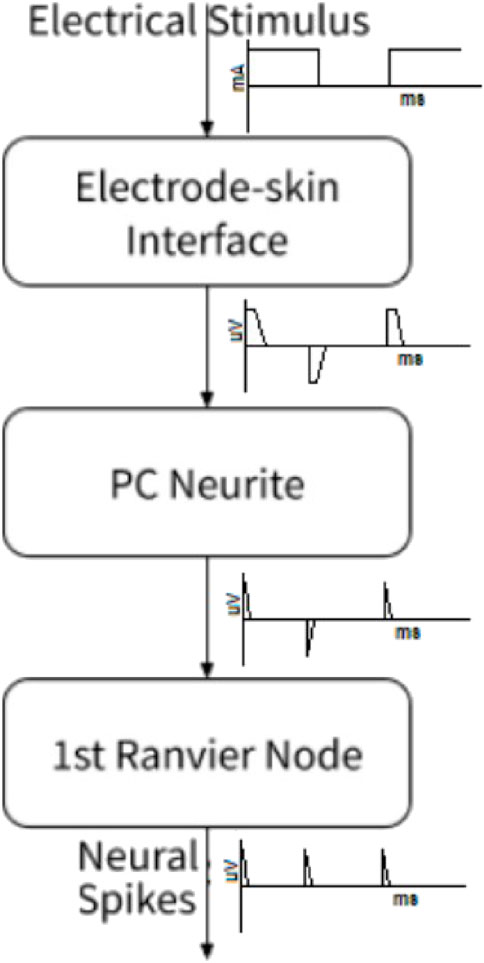
Figure 2. Block-Diagram of a PC model when subjected to electrotactile signals, representing them at every level.
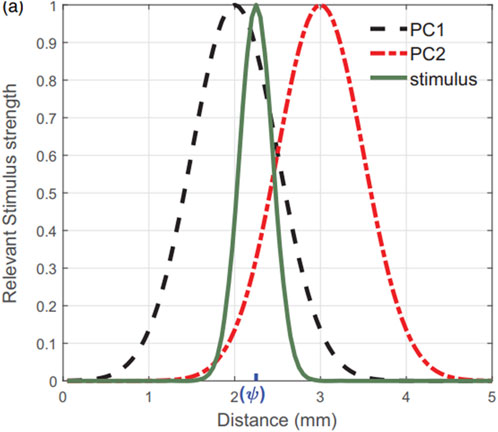
Figure 3. The stimulus is modeled as a Gaussian function (solid line) with respect to space, with mean w indicating its location over the skin. Relevant stimulus strength for individual PC is assumed as the Gaussian function of space (dotted lines), indicating strength and sensitivity variation over the receptive field. The Gaussian function’s mean and variance represent the PCs’ location and receptive field, respectively, below the skin. The difference in the mean of two Gaussian functions represents the distance, d, between the PCs within the cluster.
Electrotactile sensations exhibit qualitative diversity, influenced by various parameters, including voltage, current, electrode characteristics, and skin properties (Kandel et al., 2000; Kaczmarek et al., 1991). Studies, such as those by Alotaibi et al. (2022) and Parsnejad et al. (2020), delved into optimizing electrocutaneous pulses, exploring factors like pulse width, amplitude, and frequency to modulate sensations for enhanced user experience. Additionally, research by Araiza Illan et al. (2019) and Chen and Shuai (2020) utilized computational simulations to elucidate the intricate relationship between electrode layouts, stimulation patterns, and resulting tactile perceptions. Tanaka et al. (2023) presented a paper using electrodes on the back of the hand and conducted current to median/ulnar nerves, which caused tactile sensations to the palmar side of the hand.
Electrotactile sensations can be stimulated in two ways: anodic and cathodic stimulation. Anodic stimulation occurs when the electrode at the stimulation point is connected to a high potential (positive side of the power supply), while cathodic stimulation occurs when it is connected to a lower potential (negative side of the power supply).
2.2 Tri-color approach
Inspired by vision’s primary colors, the tri-color approach aims to independently stimulate different mechanoreceptors to evoke natural tactile sensations. Pioneered by Kajimoto et al. (2004a), this approach presents pressure signals tailored to activate specific mechanoreceptors, mimicking tactile primary colors. Through this paradigm, researchers like Duente et al. (2023) have explored electrotactile feedback applications, associating distinct frequencies with unique tactile feelings. Their colorful electrotactile feedback on wristwatch backs illustrates the potential to encode information through varied frequency sensations (itching (28 Hz), tickling (29 Hz), twitching (31 Hz), irritating (112 Hz), vibrating (163 Hz), and prickling (177 Hz)).
2.3 Electrodes
In electrotactile displays, electrodes play a pivotal role, functioning in pairs where one acts as the source (anode) and the other as the sink (cathode). Kajimoto (2021) outlined the essential requirements for such displays, emphasizing the configuration for achieving anodic/cathodic stimulation. Additionally, Tsai and Hsu (2019) introduced a novel electrotactile display featuring a large area and multi-touch capability, employing a touch panel with anodes surrounding cathodes. Their innovative approach leveraged anode-cathode dynamics to deliver differentiated signals effectively. Moreover, Parsnejad et al. (2021) explored using a multi-electrode system to prevent skin pore overload, demonstrating the independent action of electrodes despite skin resistance. Henrich et al. (2024) used static and dynamic contact sizes with the virtual objects by switching on multiple electrodes in a pad of six electrodes. Jure et al. (2023b) conducted studies to improve electrotactile communication during high cognitive load using multi-pad electrodes (3*2). Teng et al. (2024) added holes to the finger pad between the electrodes to improve dexterity.
Further investigations by Isakovic et al. (2022) examined the influence of reference electrode position and size on electrotactile stimulation localization. Their findings highlighted the significance of reference electrode characteristics in shaping perceived sensations, underscoring the need for precise positioning for optimal results. Additionally, Stephens-Fripp et al. (2020) compared different electrode configurations, noting the superiority of concentric electrodes in inducing natural tactile perceptions. Despite similar just-noticeable differences (JND), concentric electrodes exhibited enhanced stimulus localization capabilities. Garenfeld et al. (2023a) conducted a comparative analysis of electrode pads for fingertips, full fingers, and circular and matrix shapes. Their studies suggested circular and matrix-type electrodes exhibited similar accuracy, while fingertip electrodes demonstrated higher accuracy due to higher receptor density.
2.4 Computational modeling
Understanding electrical stimulation necessitates sophisticated computational modeling, often focusing on the electrode-skin interface to elucidate skin impedance characteristics. Kaczmarek and Webster (1989) meticulously analyzed the electrical properties of stimulating electrodes, leveraging this knowledge to design practical stimulator circuits. Their work elucidated the nonlinear decrease in static skin-electrode resistance with increasing stimulation current. It was supported by a mathematical model offering insights into voltage-time responses under constant-current pulse stimulation.
Meanwhile, Araiza Illan et al. (2019) employed diverse modeling approaches, initially towards transcutaneous electrical nerve stimulation (TENS) but applicable to electrotactile stimulation. Their electrical field and nerve response models delineated current and electric field distributions during TENS, albeit with simplifications to achieve computational tractability. Although overlooking certain complexities, such as tissue compartmentalization, these models provided valuable approximations of real-world scenarios. Zhou et al. (2023) conducted studies to establish a relation between parameter intensity, pulse width, and subjective intensity.
Expanding on this, Yang et al. (2021); Yang and Jiang (2023) delved into electrical stimulation’s effects on electromyography (EMG) signals, employing a noise propagation model. Their analysis, though simplifying the human body’s homogeneity and assuming a circular skin-electrode interface, confirmed the biphasic nature of electrical stimulation through finite element analysis. Strong and Troxel (1970) proposed a model utilizing electrotactile displays to replicate textures. Their innovative approach capitalized on electrically induced variations in vertical force, translating them into lateral forces to mimic tactile sensations realistically.
3 Comparison with other tactile displays
The perception parameters for electrotactile, vibrotactile, and electrovibration technologies are compared in Table 1. Electrotactile displays typically exhibit a perception threshold of 3.5 V, while vibrotactile displays have a lower threshold of 0.01 m/s2, and electrovibration displays fall in between with a threshold of 3.0 V. The just-noticeable difference (JND), representing the smallest detectable change in stimulus intensity, is 16% for electrotactile, 18% for vibrotactile, and 7.7% for electrovibration, indicating finer discrimination capabilities for the latter. Sensory resolution is moderate to high for both electrotactile and electrovibration, while vibrotactile displays offer high resolution. All three technologies’ response times range from 1 to 10 milliseconds, ensuring rapid tactile feedback. Sensations produced vary, with electrotactile displays evoking tingling or tapping sensations, vibrotactile displays generating vibratory sensations, and electrovibration providing both vibratory and textural sensations Kaczmarek et al. (1991); Dideriksen et al. (2021); Pongrac (2008); Bau et al. (2010).
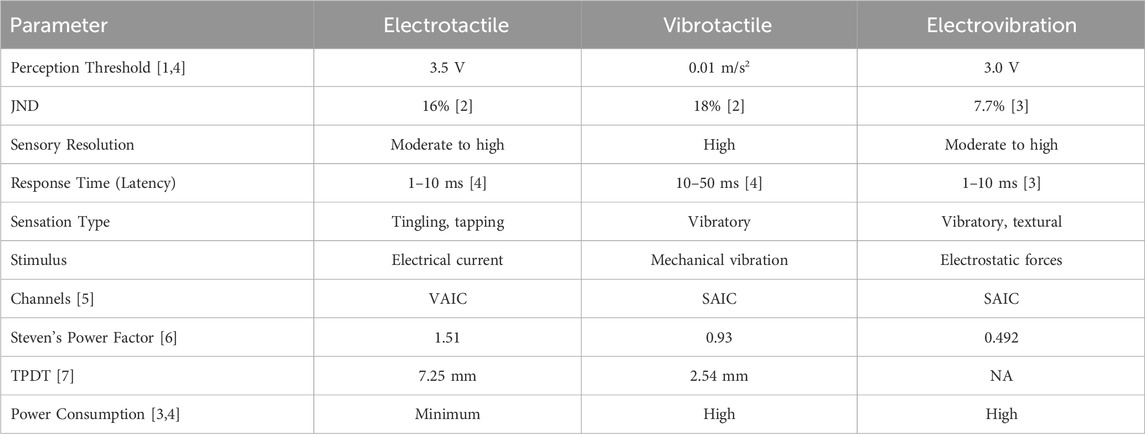
Table 1. Comparison of Perception Parameters for Electrotactile, Vibrotactile, and Electrovibration on the fingertip; Perception threshold is Absolute perception threshold. [1] Kandel et al. (2000); Chen et al. (2019), [2] Dideriksen et al. (2021); Pongrac (2008), [3] Bau et al. (2010), [4] Kaczmarek et al. (1991), [5] Biswas et al. (2014), [6] Lozano et al. (2009), [7] Johnson and Phillips (1981).
The stimuli used differ among the technologies, with electrotactile displays employing electrical current, vibrotactile displays utilizing mechanical vibration, and electrovibration displays relying on the electrical current. Channels used for sensory transmission also vary, with electrotactile displays primarily activating cutaneous and myelinated fibers, vibrotactile displays engaging Pacinian, Meissner, Ruffini, and Merkel receptors, and electrovibration displays also targeting cutaneous and myelinated fibers. Moreover, Steven’s Power Factor, a measure of sensitivity to stimulus amplitude, is 1.51 for electrotactile, 0.93 for vibrotactile, and 0.492 for electrovibration Lozano et al. (2009); Chen et al. (2019), indicating higher sensitivity to lower stimulus amplitudes initially for electrotactile displays. Lastly, the two-point discrimination threshold (TPDT) ranges from 7.25 to 10 mm for electrotactile displays and up to 45 mm for vibrotactile displays, with no specific data available for electrovibration Kaczmarek et al. (1991). Overall, while each technology offers unique advantages and sensations, considerations such as perception thresholds, resolution, and response times should guide the selection of tactile displays for specific applications.
3.1 Vibrotactile displays
Vibrotactile displays and electrotactile counterparts constitute primary modalities for delivering tactile feedback in human-computer interfaces, offering distinct advantages and limitations. These tactile systems are highly favored for their simplicity and user-friendliness, often integrated into clothing and wearable devices (García-Valle et al., 2016; Wu et al., 2012). Unlike electrotactile displays, which lack mechanical moving parts, vibrotactile displays excel in delivering higher amplitudes and are less restricted by voltage limitations (Geng et al., 2018). However, electrotactile displays face challenges related to voltage requirements and limited sensation variety, often inducing sensations like electrical tingling (Kajimoto et al., 2004b).
Comparative studies between electrotactile and vibrotactile displays offer valuable insights into their performance and user experience. Stanke et al. (2020) reported that electrotactile stimulation exhibited strong localization, while vibrotactile feedback was perceived as more diffuse yet comfortable. Notably, electrotactile stimuli were recognized faster, suggesting their potential as alternatives to power-intensive vibrotactile actuators in wearable devices. Similarly, Dideriksen et al. (2021) demonstrated comparable performance between electrotactile and vibrotactile stimuli in closed control loops and psychometric analyses. They found that a 100 Hz electrotactile waveform elicited tactile perceptions akin to a 200 Hz vibrotactile stimulus. Ushiyama and Lopes (2023) presented a study where they added electrotactile feedback on the foot to render information and argued its superiority over vibrotactile feedback regarding feeling the terrain and providing powerful tactile stimulation with higher spatial resolution.
The spatial resolution of electrotactile displays surpasses that of vibrotactile displays, as evidenced by studies on two-point discrimination threshold (TPDT) for both modalities. Figure 4 illustrates the TPDT values, indicating a lower threshold for electrotactile stimuli (Bobich et al., 2007; Solomonow et al., 1977) compared to mechanical stimuli (Velázquez, 2010) across various body parts, except the fingertip. Specifically, TPDT values range from 7.25 mm to 10.5 mm for electrotactile stimuli, contrasting with the 2.54 mm threshold observed for mechanical stimuli on the fingertip, as detailed in Table 2. This disparity in TPDT is attributed to the differing mechanisms of stimulation: electrical stimulation targets nerve axons situated above mechanoreceptors, whereas mechanical vibration directly activates mechanoreceptors (Kajimoto et al., 2002). Typically, TPDT is determined by positioning two concentric bipolar electrodes (with the inner disk as the anode and the outer ring as the cathode) in proximity and adjusting the distance until discrimination ceases.
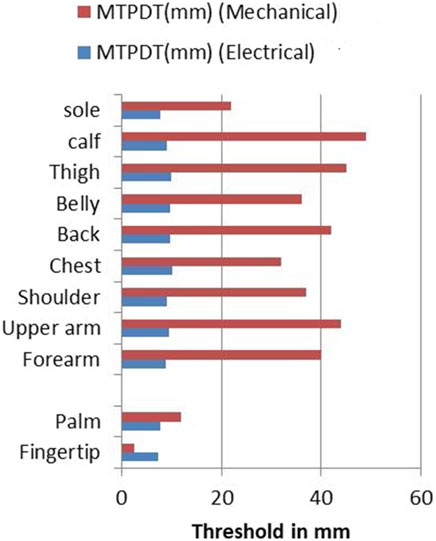
Figure 4. Two-point discrimination threshold for the different sites on the body for vibrotactile and electrotactile displays.
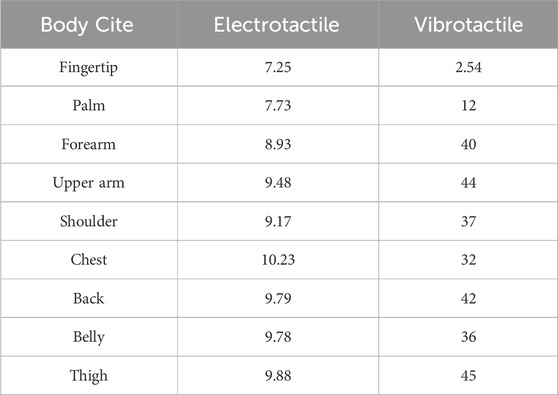
Table 2. Two-point discrimination threshold (TPDT) in mm.
3.2 Electrovibration
Electrovibration is a method to induce electrostatic frictions on touch surfaces, enhancing the perception of surface properties, particularly roughness. Despite its efficacy in rendering tactile sensations, electrovibration exhibits a notable drawback necessitating higher voltages (ranging from 100 V to 300 V) to generate adequate electrostatic frictional forces aligned with the desired surface texture (Basdogan et al., 2020; Bau et al., 2010). In a study by Komurasaki et al. (2021), the integration of electrotactile displays with electrovibration was explored to concurrently deliver pressure and friction stimuli. Psychophysical investigations revealed that combining stimuli modalities could induce perceptions of larger shapes.
3.3 Mid-air haptics
Ultrasonic actuation is another approach to manipulating surface properties in the air or on surfaces. This technique employs a high-frequency vibrating plate, where finger sliding reduces friction with increasing vibration amplitu Rakkolainen et al. (2020). For instance, Carter et al. (2013) introduced Ultrahaptics, utilizing focused ultrasonic actuation at different points to generate haptic feedback directly on the bare hands of users. Psychophysical assessments confirmed users’ ability to discern multiple feedback points in mid-air, with training enabling differentiation between stimulation frequencies. Beattie et al. (2020) incorporated the mid-air haptics to generate virtual textures for various VR/AR applications.
3.4 Chemical haptics
Lu J. et al. (2021) introduced a novel haptic approach involving the application of various chemicals to the skin to elicit distinct haptic sensations. By administering safe doses of five chemicals–cinnamaldehyde (stinging), capsaicin (warming), sanshool (tingling), menthol (cooling), and lidocaine (numbing) – lasting haptic sensations were achieved, contrasting with the rapid response times of electrotactile and vibrotactile displays.
3.5 Pneumatic displays
Pneumatic haptic displays, such as a low-cost haptic glove, provide force and tactile feedback through a direct-control pneumatic system. This glove utilizes two distinct mechanisms: for force feedback, it employs a double-acting pneumatic cylinder with two inlet ports controlled by solenoid DC valves via Pulse-width Modulation (PWM). For tactile feedback, an air bladder is actuated using a diaphragm pump controlled by a PWM-operated solenoid valve Uddin et al. (2016). Talhan and Jeon (2017) used Pneumatic haptics feedback in medical simulators in AR/VR.
3.6 Thermal displays
Sensation of hot/cold is desirable to present in several simulators these days. ThermoVR was presented by Peiris et al. (2017) to demonstrate the addition of thermal feedback alongwith visual immersion in VR. They added Peltier elements in Oculus head-mounted displays (HMDs) to render hot and cold sensations. Yem et al. (2019) developed gloves integrating electrotactile displays (utilizing a four by five electrode array), thermal displays (comprising a Peltier and a heating element), and a high-fidelity vibrotactile actuator, demonstrating the versatility of combined tactile feedback systems. Gallo et al. (2012) integrated thermal feedback in multimodal haptic displays. They developed a small device to render temperature grids under their fingertips.
4 Taxonomy of electrotactile displays
This section aims to provide a comprehensive overview of electrotactile displays and their applications, organizing them based on various classification schemes in the literature. While different classification approaches exist, this study adopts a taxonomy based on feedback topology and sensory site, recognizing other potential classifications such as superficial versus micro-electrode types and anodic versus cathodic displays. Taxonomy for electrotactile is represented in Figure 5.
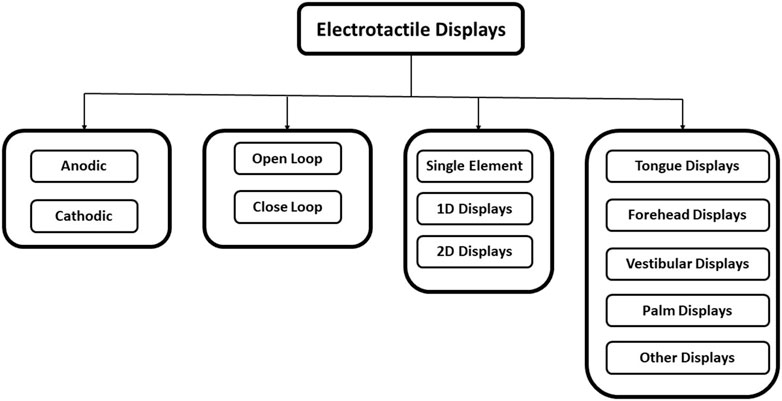
Figure 5. Taxonomy of electrotactile Displays.
4.1 Feedback control system
4.1.1 Open-loop electrotactile displays
Open-loop electrotactile displays stimulate mechanoreceptors using voltage signals applied across pairs of flat electrodes (Kaczmarek et al., 1991; Tezuka et al., 2016; 2017; Schmid and Maier, 2021). These displays come in three main types: single-unit, one-dimensional, and two-dimensional, each offering distinct advantages. For instance, Parsnejad et al. (2019) demonstrated multiple tactile stimuli using only one pair of electrodes, highlighting the versatility of this approach. Notably, advancements in thin and flexible electrode substrates have enabled the development of wearable electrotactile displays suitable for smartwatches and haptic gloves (Benali-Khoudja et al., 2007).
4.1.2 Closed-loop electrotactile displays
Unlike open-loop systems, closed-loop electrotactile displays incorporate feedback mechanisms to regulate stimulus intensity and perception (Kajimoto et al., 2001; Kajimoto, 2011). Addressing issues of perceptual variability and user discomfort, researchers have explored methods such as force feedback and impedance feedback to control stimulus parameters dynamically (Tachi et al., 1985; Collins, 1970; Poletto and Van Doren, 2002; Kaczmarek et al., 1992). Recent innovations, such as adaptive feedback systems and myoelectric signal encoding, have further enhanced the precision and usability of closed-loop electrotactile displays (Akhtar et al., 2018; Rahimi and Shen, 2019; Dideriksen et al., 2020; Nataletti et al., 2022; Valette et al., 2023). The study by Garenfeld et al. (2023b) demonstrates the efficacy of closed-loop control in enhancing the functionality and usability of myoelectric prostheses. This approach enables more natural and intuitive prosthetic use by offering users instantaneous feedback on the prosthesis’s status, including its position, movement, and interaction forces.
4.2 Sensory substitution
Research into tactile-visual substitution systems has explored the conversion of visual stimuli into tactile sensations, laying the groundwork for sensory augmentation and assistive technologies (Bach-y Rita, 2006; Phunruangsakao et al., 2023) to overcome the sensory overload in the visual cortex. Studies by Collins (1970) have demonstrated the feasibility of inferring visual characteristics from tactile stimuli, underscoring the potential for cross-modal information transfer. This energy conversion phenomenon, where light energy is translated into mechanical or electrical energy, forms the basis of tactile-visual substitution systems (Isaković et al., 2019). Leveraging this principle, researchers have integrated electrotactile feedback into myoelectric hand prostheses, offering users enhanced sensory perception and control (Dong et al., 2021; Chai et al., 2022; Han et al., 2023). Such advancements promise to improve prosthetic devices’ functionality and usability, empowering users with more intuitive and immersive sensory experiences. Oh et al. (2024) presented a study to prove that localized electrotactile feedback outperforms visual feedback in a Virtual-reality-based table tennis game.
4.2.1 Tongue electrotactile displays
The tongue’s high sensitivity and mobility make it an ideal site for electrotactile displays (Kaczmarek, 2011; Bach-y Rita et al., 1998). Applications range from surgical guidance (Robineau et al., 2007) to speech recovery (Kapali and Kumar, 2022), leveraging the tongue’s tactile acuity and neural representation in the somatosensory cortex. Recent research has also explored tongue displays for motor learning (Jiang et al., 2022) and sensory substitution (Rahimi et al., 2021), highlighting their potential for diverse applications. Mukashev et al. (2023) used tongue electrotactile displays to explore the interplay between tactile and taste rendering on the tongue.
4.2.2 Forehead electrotactile displays
Forehead-based electrotactile displays offer a unique sensory substitution and augmentation approach, leveraging the skin’s sensitivity and accessibility (Kajimoto et al., 2006; Meijer, 1992). These displays enable novel interaction modalities by converting visual information into tactile sensations, as demonstrated in studies on visual-to-acoustic conversion (Dobelle, 2000; Humayun et al., 1996). Despite challenges in thermal sensation rendering (Saito et al., 2021), forehead displays hold promise for applications in assistive technology and immersive experiences.
4.2.3 Vestibular electrotactile displays
Electrotactile displays for vestibular feedback address balance impairments by providing tactile cues about head movement (Danilov et al., 2008; 2007; Vuillerme et al., 2008; Raghav Hari Krishna et al., 2024). These displays, often worn on the tongue or feet, facilitate postural control and spatial orientation, enhancing user mobility and safety in various contexts.
4.2.4 Palm and forearm electrotactile displays
Electrotactile displays applied to the palm and forearm capitalize on the skin’s high receptor density, enabling precise tactile feedback (Abbass et al., 2022; Kawai et al., 2019; Lu X. et al., 2021). From object recognition to prosthetic hand feedback, these displays offer versatile applications in robotics, rehabilitation, and human-computer interaction (Nakayama et al., 2022; Ushiyama et al., 2022; Ward and Pamungkas, 2018).
In conclusion, the taxonomy of electrotactile displays encompasses diverse feedback control systems and sensory substitution applications, each offering unique benefits and challenges. By exploring various classification approaches, researchers can better understand the capabilities and limitations of electrotactile technology, paving the way for innovative solutions in tactile communication and interaction.
5 Cross-modality of electrotactile displays
5.1 Cross-modality with vibrotactile displays
Electrotactile displays and electro-vibration have been combined with vibrotactile displays to explore their synergistic effects. One notable approach is Hy-VE (Hybrid Vibro-Electro) introduced by D’Alonzo et al. (2013), which integrates a mechanical actuator with electrodes for electrotactile stimulation. This hybrid setup aims to enhance users’ ability to discern different tactile patterns effectively. Another application of combining electrotactile and vibrotactile stimuli is evident in “Impacto,” as demonstrated by Lopes et al. (2015). Here, a solenoid provides mechanical stimulation to simulate impacts, while electrical muscle stimulation intensifies the sensation. This setup has been employed in various gaming scenarios, such as boxing and football.
Researchers have explored selective stimulation of mechanoreceptors using combined modalities. For instance, Yem et al. (2016) utilized electrotactile stimulation for steady pressure and low-frequency vibration, while vibrotactile stimulation was employed for skin stretch and high-frequency vibrations. Additionally, Kuroki et al. (2007) investigated the combined use of electrotactile and vibrotactile stimulation, highlighting two main benefits: individually reduced thresholds and diminished electrical sensation, thus mitigating the fear factor. Furthermore, Mizuhara et al. (2019) presented a combined approach to provide intense stimulation, leveraging the advantages of each modality while mitigating their drawbacks.
Moreover, efforts have been made to optimize safety parameters for electrotactile displays through combined stimulation techniques. Ray et al. (2021) employed a combination of electrotactile and vibrotactile stimuli at subthreshold levels to reduce thresholds and enhance safety. Figure 6 illustrates a threshold-varying curve with frequency, demonstrating the efficacy of such combined approaches.
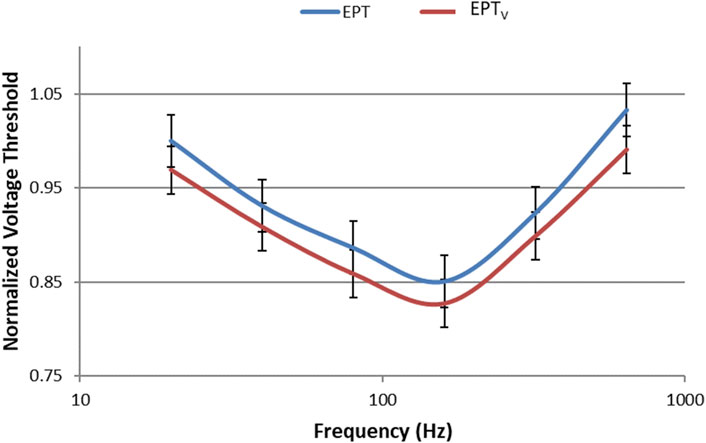
Figure 6. Average threshold curve (normalized) for electrotactile stimulus and the reduced threshold when skin temperature is raised by seven.
5.2 Cross-modality with electrovibration
The fusion of electrotactile stimulation with electrovibration has garnered attention for its potential to reduce higher voltage requirements and enhance texture rendering. In a study by Krishnasamy Balasubramanian et al. (2023), electrodes were affixed to the index finger, leaving a tip free for scrolling on a screen where textures were rendered using electrostatic forces, requiring voltages as high as 300 V. By employing background subthreshold electrotactile stimulus, the threshold for electrovibration was effectively reduced by up to 12.46% as shown in Figure 7.
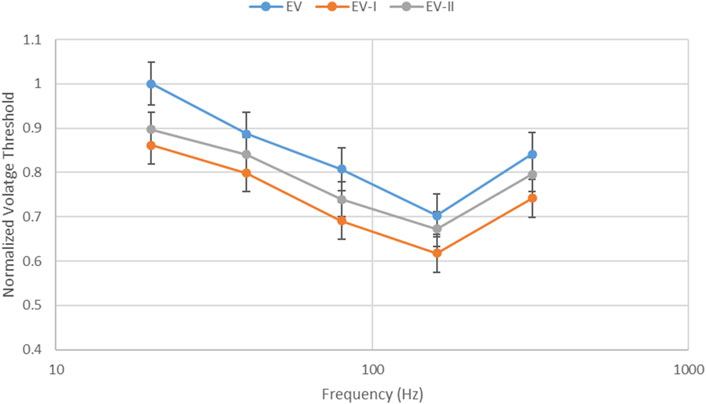
Figure 7. Average threshold curve (normalized) for electrovibration and the reduced threshold when background electrotactile stimulus is presented together on subthreshold.
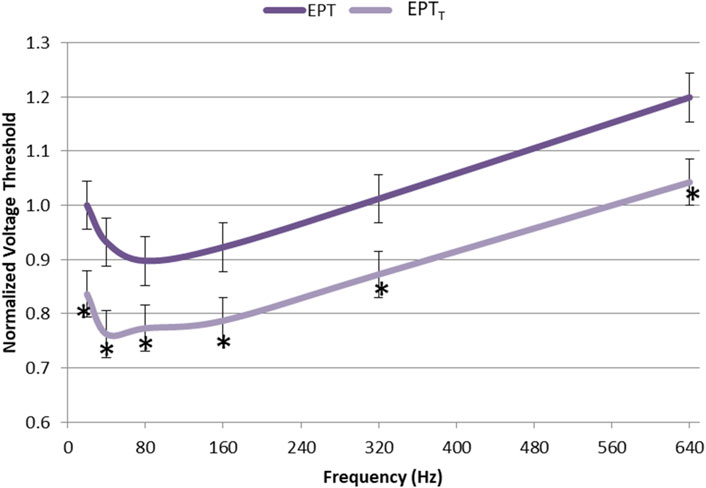
Figure 8. Average threshold curve (normalized) for electrotactile stimulus and the reduced threshold when background vibrotactile stimulus is presented together on subthreshold.
Further investigations by Krishnasamy Balasubramanian et al. (2023) involved the combination of vibrotactile displays with electrovibration, resulting in a notable reduction of 25% in the electrovibration threshold. This suggests promising results for optimizing the tactile rendering experience while minimizing power consumption and ensuring user safety. Such cross-modal approaches hold the potential for enhancing tactile feedback in various applications, ranging from touchscreen devices to immersive virtual environments. Exploring the synergies between electrotactile stimulation and electrovibration could also lead to innovative solutions for enhancing user experiences in haptic interactions.
5.3 Cross-modality with thermal displays
Integrating electrotactile stimulation with thermal displays has opened new avenues for enhancing tactile perception thresholds under varying conditions. In a study conducted by Ray and Manivannan (2022), researchers investigated perception thresholds for electrotactile stimulation under different thermal conditions. They effectively raised the skin temperature by employing an infrared (IR) lamp focused on the forearm, where electrode pads were attached for electrotactile stimulation. A temperature increase of
6 Psychophysics in electrotactile displays
Psychophysics is an essential aspect to consider in tactile systems since stimulation parameters are modified based on perception. Therefore, psychophysical methods are employed for threshold detection and expressing the feelings evoked by electrical stimuli. The amplitude and frequency discrimination thresholds are called just-noticeable differences (JND), representing the smallest detectable differences between two stimuli (Leek, 2001). Detection and discrimination thresholds together form fundamental measures describing the dynamic range and processing capabilities of electrovibration sensations (Levitt, 1971).
Zhou et al. (2022b) conducted psychophysical studies to measure various parameters for electrotactile displays, including JND, sensitivity index (SI), parameter-intensity properties (PIP), and thresholds for detection and pain. Their study employed three methods based on the modified staircase method, bisection, and parametric-random algorithms, concluding that the bisection method is more robust and improves efficiency in JND measurement. Additionally, Jure et al. (2023a) investigated cognitive load during multitasking using electrotactile feedback and validated through experiments that stimuli duration has no significant effects.
6.1 Threshold detection and psychophysics
Ray et al. (2021) investigated the threshold characteristics of electrotactile displays across a wide frequency range from 20 Hz to 640 Hz. Their findings revealed a tuning curve showing the threshold variation, with higher thresholds observed at lower frequencies, decreasing to a minimum at 160 Hz before rising again at higher frequencies. They proposed a method to reduce thresholds using background stimulation of subthreshold vibrotactile stimulus, resulting in a three%–5% reduction in threshold. Moreover, Chen et al. (2019) examined the threshold for electrotactile stimulation under moving contact conditions compared to steady thresholds. Their psychophysical studies indicated lower thresholds for the moving contact condition than for the steady condition, with thresholds for women found to be lower than for men across all age groups.
Kajimoto et al. (2004a) utilized psychophysical methods to discriminate between two frequencies for electrical stimuli, revealing that the minimum discriminable frequency is typically 20% of the frequency. Additionally, D’Alonzo et al. (2017) employed psychophysical methods, specifically the staircase method, to measure thresholds for electrical stimulation. Jelinek and McIntyre (2010) discovered a log-log relationship between electric pulse frequency and perceived magnitude of sensation up to a pulse frequency of 120 Hz, with the relationship persisting across the entire frequency range. This finding contrasts with previous studies by Sachs et al. (1980), possibly due to differences in stimulation patterns and pulse amplitude levels.
6.2 Just noticeable differences in electrotactile displays
Just noticeable difference (JND) is a critical psychophysical parameter used to determine the minimum difference in two stimuli perceptible by subjects (Gescheider, 2013). Recent research by Dideriksen et al. (2021) investigated the JND for electrotactile and vibrotactile displays, revealing JND values of 16% for electrotactile displays and 18% for vibrotactile displays for frequencies and varying values for amplitude of vibrations. This study concluded that JND values are similar for electrotactile and vibrotactile displays, while surface haptics using electrovibration demonstrated lower JND (Pongrac, 2008). The JND for electrovibration is 7.7% (Bau et al., 2010). In conclusion, JND for electrotactile and vibrotactile is similar but lower for surface haptics using electrovibration.
6.3 Two-point discrimination threshold
The two-point discrimination threshold (TPDT) is a fundamental measure of human skin spatial resolution, representing the minimum distance between two sites that can be perceived differently. Actuators should be positioned according to the TPDT for enhanced discrimination of neighboring stimuli (Johnson and Phillips, 1981). TPDT values for both electrotactile and vibrotactile stimulation are depicted in Figure 5; Table 2, with electrotactile actuators generally exhibiting lower TPDT compared to vibrotactile ones, enabling the creation of more densely packed displays.
The tongue, characterized by its higher receptive density, boasts the lowest TPDT among body parts (Maeyama and Plattig, 1989). For instance, TPDT measurements at the tip of the tongue range from 1.650
6.4 Steven’s power factor
Stevens’ Power Law
In contrast, Stevens et al. (1958) reported a power factor of 3.5 for electric shock, higher than that observed for electrotactile stimulus by Lozano et al. (2009), indicating differences in perceived intensity changes between the two stimuli. This highlights the distinction between electrotactile stimulation, primarily cutaneous, and electric shock, which penetrates deeper tissues and produces adverse effects.
6.5 Electrotactile masking
Tactile masking, where multiple stimuli of the same or different modalities overlap in time or space, is a well-known phenomenon (Tang and Beebe, 2003). Choi et al. (2016) observed tactile masking in electrotactile displays with two-channel stimuli, mitigating the effect through intermittent channel stimulation. Reduced masking was noted with intermittent stimulation due to residual stimulus effects. Additionally, Szeto et al. (1996) used tactile masking to correlate subjects’ information processing speed for tactile signals with intelligence levels.
6.6 Stochastic resonance
Stochastic resonance (SR) involves adding random noise to a subthreshold stimulus to make it suprathreshold, extensively used in tactile signals to achieve suprathreshold sensations (Collins et al., 1996). Huang et al. (2017, 2020) combined electrotactile stimulation with acoustic signals to enhance speech recognition thresholds, achieving a 2.2 dB improvement over acoustic signals alone.
6.7 Spatial and temporal summation
Spatial summation of two electrotactile stimuli at subthreshold has been studied to reduce individual stimulus thresholds (Ray and Manivannan, 2021). They measured the threshold characteristics of the individual and combined stimulus. Different subthreshold combinations were tested in psychophysical studies to measure threshold reduction. They used 90%–50% subthreshold stimulus and reported a threshold reduction of up to 58% in the second stimulus. Gescheider et al. (2002, 2004) characterized spatial and temporal summation using four channels in the sensory pathways, noting that only Pacinian channels exhibited such summation due to the neural integration capabilities of the Pacinian corpuscle (PC).
6.8 Electrotactile illusions
Illusions represent perceptual phenomena characterized by a disjunction between the stimulus and its perception. In literature, various perceptual illusions have been documented, encompassing domains such as material texture (Lederman, 1978), shape-weight (Kahrimanovic et al., 2010), geometrical, temperature-weight (Stevens and Green, 1978; Stevens and Hooper, 1982), thermal spatio-temporal (Jones and Ho, 2008), rubber hand (Botvinick and Cohen, 1998), and more. However, only a limited number of illusions involve electrical stimulation. Patel et al. (2019) have proposed a classification of haptic illusions.
6.8.1 Cutaneous rabbit effect
The Cutaneous Rabbit Effect (CRE) and similar tactile illusions underscore the brain’s role in interpreting mechanical stimuli beyond their factual representation (Eimer et al., 2005; Flach and Haggard, 2006; Blankenburg et al., 2006). In an experiment by (Warren et al., 2010), the CRE was examined on the fingertip using electrical stimulation, revealing its association with the mislocalization of stimuli sensation.
6.8.2 llusions of surface changes
Influencing other senses while touching a surface can create an illusion of texture. For instance, applying electrotactile stimulation on the fingertip while displaying an image of sandpaper can induce the sensation of touching sandpaper (Wolf and Bäder, 2015). Electrotactile stimulation offers the potential for generating various tactile illusions like this.
6.8.3 Tactile apparent motion
The sensation of movement is experienced when sequential electrotactile or mechanical stimuli are applied to the skin. Observers typically perceive this as a single stimulus moving across the skin, known as the Phi phenomenon or Beta movement. Altering the time gap between the stimuli produces different sensations, with Lederman and Jones (2011) noting that this delay can vary from 25 to 400 milliseconds.
6.8.4 Saltation using electrotactile stimulation
Saltation, a widely researched sensory illusion phenomenon, occurs when a sequence of short pulses (stimulus) is administered to the skin at two or more nearby locations, resulting in the perception of a single stimulus traversing the skin (Geldard and Sherrick, 1972). Lederman and Jones (2011) found that electrocutaneous stimulus yields superior results to mechanical stimulus in the perception of saltation.
7 Challenges in electrotactile displays
Research on electrotactile displays dates back to the 1960s; however, their application has been limited due to various challenges. These challenges encompass both design-related issues and perceptual obstacles. One significant impediment to the widespread adoption of electrotactile displays is the risk of inducing pain and itching as the intensity increases. To address this issue, Hamazaki et al. (2022) utilized an anesthetic agent (lidocaine) applied to the skin to broaden the range of electrotactile stimulation by raising the pain threshold. Additionally, Mazzotta et al. (2021) conducted a review focusing on electrotactile displays integrated with conformable materials. In our current work, we have comprehensively categorized and outlined these challenges in Figure 9.
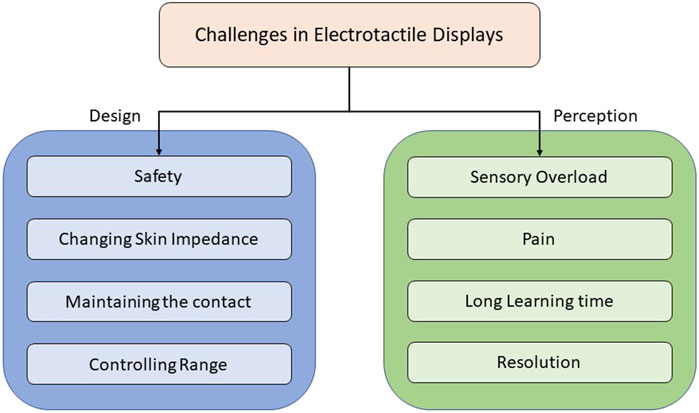
Figure 9. Taxonomy of challenges in electrotactile displays.
7.1 Challenges in Design
7.1.1 Safety
The critical safety consideration in electrotactile operation revolves around current rather than voltage. It’s essential to note that no charge passes through the skin, and the induced current flowing through the user’s hand is minimal. The current supplied to the electrotactile display panel is limited to 0.5 mA, a level considered safe for humans (Webster, 2009). Electrotactile displays enhance postural balance in scenarios of muscle fatigue, particularly in neurological conditions where user safety is paramount (Lee et al., 2021). Addressing safety concerns, Wang et al. (Wang et al., 2018) developed a comfortable electrotactile pad designed for touchscreen use, operating at lower voltages, and dubbed the device as E-Pad.
7.1.2 Changing skin impedance
Many electrotactile displays employ surface electrodes for stimulating nerve fibers, which remain in constant contact with the skin, subjecting them to varying conditions. Factors such as sweat and skin motion can lead to fluctuations in stimulation thresholds. The correlation between sweat and changes in skin impedance is not well-defined. Additionally, skin movement can alter tactile sensations, posing a significant challenge in the design of electrotactile displays (Kajimoto, 2011).
7.1.3 Maintaining the contact
Maintaining consistent contact between electrotactile displays and the skin presents a formidable challenge, particularly when users are mobile, such as during activities like climbing, running, or navigation (Kaczmarek et al., 1991). One potential solution to this challenge involves using electrode pads that adhere directly to the skin (Teng et al., 2024). However, this approach may introduce additional considerations related to skin irritation, adhesive durability, and user comfort, necessitating further exploration and refinement in design and implementation strategies. Additionally, advancements in wearable technology and materials science may offer innovative solutions to enhance the reliability and effectiveness of skin-contact interfaces for electrotactile displays.
7.1.4 Controlling range
Designing electrotactile displays presents another challenge concerning their operational range, particularly in outdoor applications where wireless communication is essential. While Bluetooth wireless devices are commonly employed for such purposes, their limited range can constrain the usability of electrotactile displays (Jones et al., 2006). Extending the range of wireless communication systems, perhaps through advancements in Bluetooth technology or alternative wireless protocols, is crucial for expanding the potential applications of electrotactile displays in outdoor environments. Additionally, exploring the integration of other wireless communication technologies, such as Wi-Fi or cellular connectivity, could offer alternative solutions to overcome range limitations and enhance the versatility of electrotactile display systems.
7.2 Challenges in perception
7.2.1 Sensory overload
The human brain adeptly processes information from multiple sensory modalities to comprehend and navigate the surrounding environment. However, relying solely on a single sensory modality for conveying information can overwhelm it, given humans’ finite capacity for receiving, retaining in working memory, and cognitively processing environmental stimuli. Overloading a particular modality, such as relying solely on auditory or tactile signals from assistive devices, can lead to diminished perception over time (Jure et al., 2023b). To address this limitation, incorporating multiple sensory modalities, such as visual, auditory, and tactile cues, into assistive devices can enhance information dissemination and user comprehension. Furthermore, leveraging multi-modal interfaces can distribute cognitive load more effectively across sensory channels, improving overall user experience and accessibility.
7.2.2 Pain
The application of electrical stimuli can evoke fear in users, with studies suggesting that women may experience more pain than men when exposed to repeated predictable or unpredictable electrical stimulation (Meulders et al., 2012). This gender discrepancy underscores the importance of considering individual differences and sensitivities when designing and implementing electrical stimulation-based applications. Understanding and mitigating potential aversive responses, particularly among specific demographic groups, is crucial for ensuring the safety and efficacy of such technologies. Further research into the underlying mechanisms driving these gender differences could inform the development of more inclusive and user-friendly electrical stimulation applications.
7.2.3 Long learning or training time
Acquiring proficiency in the language of visual-tactile communication presents a multifaceted challenge. Users must memorize the diverse tactile sensations and their corresponding meanings, necessitating considerable time and effort to achieve mastery (Burger et al., 2017). Learning involves recognizing tactile cues and understanding their contextual significance in the real world. Consequently, extensive training periods allow users to internalize these associations effectively. Further research into optimized training methodologies and user-centered design approaches could expedite the learning curve and enhance user adoption of visual-tactile interfaces.
7.2.4 Resolution
When designing tactile displays, resolution emerges as a critical consideration, encompassing both spatial and temporal aspects. Spatial resolution determines the density at which electrodes can be arranged, with the two-point discrimination threshold (TPDT) serving as a key determinant. Notably, TPDT tends to be lower for electrical stimulation than mechanical stimulation, facilitating higher spatial resolution as shown in Figure 5). On the other hand, temporal resolution governs the speed at which a changing stimulus can be perceived. Studies by Loomis and Lederman (1986) indicate that a minimum time gap of 4 milliseconds is necessary to discern between two distinct stimuli. These resolution metrics are pivotal in optimizing the effectiveness and perceptual fidelity of electrotactile displays (Johnson and Phillips, 1981). Further research aimed at refining both spatial and temporal resolution parameters could lead to significant advancements in tactile display technology.
8 Guidelines for Design of electrotactile displays
Electrotactile displays, despite their benefits of compactness and high spatial resolution, face several challenges that need addressing to ensure reliability and user safety. This section outlines practical techniques to tackle these issues, providing details on use scenarios, cost, and implementation complexity.
Electrotactile stimulation, extensively studied since the 1960s, has led to the development of various display designs utilizing diverse electrode configurations, from surface to microelectrodes in both single and multiple arrangements, targeting body sites such as the fingertip and tongue. However, the reliance on conductive gel for many electrodes remains a significant drawback, making them single-use and inconvenient. Future designs should focus on developing gel-free and reusable electrodes to enhance user experience and sustainability. Exploring materials and technologies that allow for reusable, gel-free electrodes, such as conductive polymers or nanomaterials, could provide potential solutions. These innovations would be particularly beneficial for applications requiring frequent use, such as virtual reality (VR) training systems or rehabilitation devices. Although the initial development might be costly, long-term use would reduce recurring costs, presenting a medium level of implementation complexity due to the material research and testing involved.
A significant challenge with electrotactile displays is the risk of skin burns and irritation with prolonged use, as skin impedance changes over time, making previously comfortable current levels potentially harmful. Ensuring user safety is paramount. Ray et al. (2021); Ray and Manivannan (2022, 2021) have proposed a method to address this concern by employing background stimulation of a different modality, maintained at subthreshold levels, to reduce the threshold for electrotactile displays. For instance, electrotactile-vibrotactile combination (ETVT) setups utilized a 90% subthreshold vibrotactile stimulus to effectively reduce the threshold for electrotactile stimulation by 3%–5%. Additionally, they explored spatial summation of two electrotactile stimuli at subthreshold to decrease the threshold for electrotactile stimulus. Leveraging such subthreshold techniques and integrating other tactile modalities could pave the way for safer and more comfortable electrotactile displays.
Traditionally, user studies have validated electrotactile devices, but there is a growing need for objective measurement methods to fully understand the effects of the stimulus. Objective measurements can provide comprehensive insights, particularly in precision-demanding environments. The integration of electroencephalography (EEG) and electromyography (EMG) can be employed to measure the effects of electrotactile stimuli objectively (Liu et al., 2022). For example, sensory training scenarios can incorporate electrotactile Brain-Computer Interface (BCI) systems, utilizing somatosensory event-related potentials (ERPs) as neural correlates of attention processes Novičić and Savić (2023); Savic et al. (2023). These advancements highlight the importance of integrating objective measurement techniques into the design and evaluation of electrotactile displays to ensure their efficacy and safety in diverse applications. Such integration is critical for medical applications, sensory training, and research environments where precision is essential, though it comes with high costs and complexity due to the requirement for advanced equipment and expertise in neurophysiological measurements.
Advancing the design of electrotactile displays involves addressing key challenges such as electrode reusability, user safety, and the integration of objective measurement techniques. By focusing on practical solutions and considering use scenarios, cost, and implementation complexity, future electrotactile displays can become more effective, safe, and user-friendly.
9 Future directions
Tactile feedback is crucial in various everyday devices, including smartphones, smartwatches, tablets, and car displays. While vibrotactile displays dominate these devices due to their lower cost and ease of implementation, recent studies have highlighted the potential of integrating electrotactile feedback for enhanced tactile experiences.
Incorporating electrotactile feedback into handheld touchscreen devices opens new avenues for providing surface properties and textures. For instance, Kajimoto et al. developed Skeletouch, a transparent interface capable of delivering electrotactile feedback on mobile devices (Kajimoto, 2012). This technology can revolutionize surface haptics by enabling the modification of entire surfaces, offering users a richer tactile experience. Unlike electrovibration, which requires high voltage, electrotactile feedback consumes lower power and may pose fewer safety risks. It is suitable for widespread use in smartphones, tablets, smartwatches, automotive display systems, and vending machines.
The wearable haptic device market is rapidly expanding, encompassing products like haptic gloves, whole-body suits withtactile feedback, and haptic vests. While vibrotactile feedback is prevalent in these devices, some utilize electrical muscle stimulation. Incorporating electrotactile stimulation into these wearables can leverage the advantages of electrotactile feedback over vibrotactile methods, potentially enhancing user experiences and interaction possibilities.
Moreover, the integration of electrotactile feedback holds promise in immersive virtual reality (VR) environments. By modulating electrotactile stimuli intensity based on the user’s interaction with virtual surfaces, researchers aim to improve tactile rendering methods and provide more realistic sensations during mid-air interactions in VR (Vizcay et al., 2023). This approach signifies a paradigm shift in how users perceive and interact with virtual environments, paving the way for more immersive and engaging VR experiences.
Author contributions
RR: Writing–review and editing, Writing–original draft, Software, Methodology, Investigation, Data curation, Conceptualization. MV: Conceptualization, Resources, Supervision, Writing–original draft, Writing–review and editing, Methodology. MM: Writing–review and editing, Visualization, Validation, Supervision, Software, Resources, Project administration, Methodology, Investigation, Funding acquisition, Formal Analysis, Data curation, Conceptualization.
Funding
The author(s) declare that no financial support was received for the research, authorship, and/or publication of this article.
Conflict of interest
The authors declare that the research was conducted in the absence of any commercial or financial relationships that could be construed as a potential conflict of interest.
The author(s) declared that they were an editorial board member of Frontiers, at the time of submission. This had no impact on the peer review process and the final decision.
Publisher’s note
All claims expressed in this article are solely those of the authors and do not necessarily represent those of their affiliated organizations, or those of the publisher, the editors and the reviewers. Any product that may be evaluated in this article, or claim that may be made by its manufacturer, is not guaranteed or endorsed by the publisher.
References
Abbass, Y., Dosen, S., Seminara, L., and Valle, M. (2022). Full-hand electrotactile feedback using electronic skin and matrix electrodes for high-bandwidth human–machine interfacing. Philosophical Trans. R. Soc. A 380, 20210017. doi:10.1098/rsta.2021.0017
Akhtar, A., Sombeck, J., Boyce, B., and Bretl, T. (2018). Controlling sensation intensity for electrotactile stimulation in human-machine interfaces. Sci. robotics 3, eaap9770. doi:10.1126/scirobotics.aap9770
Alotaibi, Y., Williamson, J. H., and Brewster, S. A. (2022). “First steps towards designing electrotactons: Investigating intensity and pulse frequency as parameters for electrotactile cues,” in CHI Conference on Human Factors in Computing Systems, 1–11.
Araiza Illan, G., Stüber, H., Friedl, K. E., Summers, I. R., and Peer, A. (2019). A simulation environment for studying transcutaneous electrotactile stimulation. PloS one 14, e0212479. doi:10.1371/journal.pone.0212479
Bach-y Rita, P. (2006). Late post-acute neurologic rehabilitation: neuroscience, engineering and clinical programs. Plast. Restauración Neurológica 5, 41–51. doi:10.1016/S0003-9993(03)00312-5
Bach-y Rita, P., Collins, C. C., Saunders, F. A., White, B., and Scadden, L. (1969). Vision substitution by tactile image projection. Nature 221, 963–964. doi:10.1038/221963a0
Bach-y Rita, P., Kaczmarek, K. A., Tyler, M. E., and Garcia-Lara, J. (1998). Form perception with a 49-point electrotactile stimulus array on the tongue: a technical note. J. rehabilitation Res. Dev. 35, 427–430.
Basdogan, C., Giraud, F., Levesque, V., and Choi, S. (2020). A review of surface haptics: enabling tactile effects on touch surfaces. IEEE Trans. haptics 13, 450–470. doi:10.1109/toh.2020.2990712
Bau, O., Poupyrev, I., Israr, A., and Harrison, C. (2010). “Teslatouch: electrovibration for touch surfaces,” in Proceedings of the 23nd annual ACM symposium on User interface software and technology, 283–292.
Beattie, D., Frier, W., Georgiou, O., Long, B., and Ablart, D. (2020). “Incorporating the perception of visual roughness into the design of mid-air haptic textures,” in ACM Symposium on applied perception 2020, 1–10.
Benali-Khoudja, M., Hafez, M., Alexandre, J.-M., and Kheddar, A. (2004). Tactile interfaces: a state-of-the-art survey. Int. Symposium Robotics 31, 23–26.
Benali-Khoudja, M., Hafez, M., and Kheddar, A. (2007). Vital: an electromagnetic integrated tactile display. Displays 28, 133–144. doi:10.1016/j.displa.2007.04.013
Biswas, A., Manivannan, M., and Srinivasan, M. A. (2014). Vibrotactile sensitivity threshold: nonlinear stochastic mechanotransduction model of the pacinian corpuscle. IEEE Trans. haptics 8, 102–113. doi:10.1109/toh.2014.2369422
Blankenburg, F., Ruff, C. C., Deichmann, R., Rees, G., and Driver, J. (2006). The cutaneous rabbit illusion affects human primary sensory cortex somatotopically. PLoS Biol. 4, e69. doi:10.1371/journal.pbio.0040069
Bobich, L., Warren, J., Sweeney, J., Helms Tillery, S., and Santello, M. (2007). Spatial localization of electrotactile stimuli on the fingertip in humans. Somatosens. & Mot. Res. 24, 179–188. doi:10.1080/08990220701637232
Botvinick, M., and Cohen, J. (1998). Rubber hands ‘feel’touch that eyes see. Nature 391, 756. doi:10.1038/35784
Burger, A., Verkuil, B., Fenlon, H., Thijs, L., Cools, L., Miller, H., et al. (2017). Mixed evidence for the potential of non-invasive transcutaneous vagal nerve stimulation to improve the extinction and retention of fear. Behav. Res. Ther. 97, 64–74. doi:10.1016/j.brat.2017.07.005
Butikofer, R., and Lawrence, P. D. (1978). Electrocutaneous nerve stimulation-i: model and experiment. IEEE Trans. Biomed. Eng., 526–531. doi:10.1109/tbme.1978.326286
Butikofer, R., and Lawrence, P. D. (1979). Electrocutaneous nerve stimulation-ii: stimulus waveform selection. IEEE Trans. Biomed. Eng., 69–75. doi:10.1109/tbme.1979.326529
Carter, T., Seah, S. A., Long, B., Drinkwater, B., and Subramanian, S. (2013). “Ultrahaptics: multi-point mid-air haptic feedback for touch surfaces,” in Proceedings of the 26th annual ACM symposium on User interface software and technology, 505–514.
Cauna, N. (1968). Light and electron microscopal structure of sensory end-organs in skin. The skin senses. Ed. by D. R. KENSHALO 15–29.
Chai, G., Wang, H., Li, G., Sheng, X., and Zhu, X. (2022). Electrotactile feedback improves grip force control and enables object stiffness recognition while using a myoelectric hand. IEEE Trans. Neural Syst. Rehabilitation Eng. 30, 1310–1320. doi:10.1109/tnsre.2022.3173329
Chen, H., and Shuai, L. (2020). Qualifying tactile sensations evoked by non-steady cutaneous electrical stimulation with electroencephalography features. Sens. Rev. 40, 183–190. doi:10.1108/sr-10-2019-0255
Chen, H., Shuai, L., Zhu, W., and Miao, M. (2019). An investigation of stimuli-current thresholds on the non-steady contact condition. Industrial Robot Int. J. robotics Res. Appl. 46, 351–359. doi:10.1108/ir-11-2018-0230
Choi, K., Kim, P., Kim, K.-S., and Kim, S. (2016). “Two-channel electrotactile stimulation for sensory feedback of fingers of prosthesis,” in 2016 IEEE/RSJ International Conference on Intelligent Robots and Systems (IROS) (IEEE), 1133–1138.
Collins, C. C. (1970). Tactile Television¿Mechanical and electrical image projection. IEEE Trans. man-machine Syst. 11, 65–71. doi:10.1109/tmms.1970.299964
Collins, J. J., Imhoff, T. T., and Grigg, P. (1996). Noise-enhanced information transmission in rat sa1 cutaneous mechanoreceptors via aperiodic stochastic resonance. J. Neurophysiology 76, 642–645. doi:10.1152/jn.1996.76.1.642
D’Alonzo, M., Dosen, S., Cipriani, C., and Farina, D. (2013). Hyve: hybrid vibro-electrotactile stimulation for sensory feedback and substitution in rehabilitation. IEEE Trans. Neural Syst. Rehabilitation Eng. 22, 290–301. doi:10.1109/tnsre.2013.2266482
D’Alonzo, M., Engels, L., Controzzi, M., and Cipriani, C. (2017). Electro-cutaneous stimulation on the palm elicits referred sensations on intact but not on amputated digits. J. Neural Eng. 15, 016003. doi:10.1088/1741-2552/aa81e2
Danilov, Y., Tyler, M., Skinner, K., Hogle, R., and Bach-y Rita, P. (2007). Efficacy of electrotactile vestibular substitution in patients with peripheral and central vestibular loss. J. Vestib. Res. 17, 119–130. doi:10.3233/ves-2007-172-307
Danilov, Y. P., Tyler, M. E., and Kaczmarek, K. A. (2008). “Vestibular sensory substitution using tongue electrotactile display,” in Human haptic perception: Basics and applications (Springer), 467–480.
De Nunzio, A., Yavuz, U., Martinez-Valdes, E., Farina, D., and Falla, D. (2018). Electro-tactile stimulation of the posterior neck induces body anteropulsion during upright stance. Exp. brain Res. 236, 1471–1478. doi:10.1007/s00221-018-5229-z
Dideriksen, J., Markovic, M., Lemling, S., Farina, D., and Dosen, S. (2021). Electrotactile and vibrotactile feedback enable similar performance in psychometric tests and closed-loop control. IEEE Trans. Haptics 15, 222–231. doi:10.1109/toh.2021.3117628
Dideriksen, J. L., Mercader, I. U., and Dosen, S. (2020). Closed-loop control using electrotactile feedback encoded in frequency and pulse width. IEEE Trans. Haptics 13, 818–824. doi:10.1109/toh.2020.2985962
Dideriksen, J. L., Mercader, I. U., and Dosen, S. (2022). Task-dependent adaptations in closed-loop motor control based on electrotactile feedback. IEEE Trans. Human-Machine Syst. 52, 1227–1235. doi:10.1109/thms.2021.3134556
Dobelle, W. H. (2000). Artificial vision for the blind by connecting a television camera to the visual cortex. ASAIO J. 46, 3–9. doi:10.1097/00002480-200001000-00002
Dong, J., Jensen, W., Geng, B., Kamavuako, E. N., and Dosen, S. (2021). Online closed-loop control using tactile feedback delivered through surface and subdermal electrotactile stimulation. Front. Neurosci. 15, 580385. doi:10.3389/fnins.2021.580385
Duente, T., Schulte, J., Lucius, M., and Rohs, M. (2023). “Colorful electrotactile feedback on the wrist,” in Proceedings of the 22nd International Conference on Mobile and Ubiquitous Multimedia, 172–184.
Eimer, M., Forster, B., and Vibell, J. (2005). Cutaneous saltation within and across arms: a new measure of the saltation illusion in somatosensation. Percept. & Psychophys. 67, 458–468. doi:10.3758/bf03193324
Flach, R., and Haggard, P. (2006). The cutaneous rabbit revisited. J. Exp. Psychol. Hum. Percept. Perform. 32, 717–732. doi:10.1037/0096-1523.32.3.717
Gallo, S., Santos-Carreras, L., Rognini, G., Hara, M., Yamamoto, A., and Higuchi, T. (2012). “Towards multimodal haptics for teleoperation: design of a tactile thermal display,” in 2012 12th IEEE International Workshop on Advanced Motion Control (AMC) (IEEE), 1–5.
García-Valle, G., Ferre, M., Breñosa, J., Aracil, R., Sebastian, J. M., and Giachritsis, C. (2016). “Design and development of a multimodal vest for virtual immersion and guidance,” in International conference on human haptic sensing and touch enabled computer applications (Springer), 251–262.
Garenfeld, M. A., Henrich, M. C., Isaković, M., Malešević, J., Štrbac, M., and Došen, S. (2023a). Novel electrode designs for electrotactile stimulation of the finger: a comparative assessment. IEEE Trans. Haptics 16, 748–759. doi:10.1109/toh.2023.3321925
Garenfeld, M. A., Strbac, M., Jorgovanovic, N., Dideriksen, J. L., and Dosen, S. (2023b). Closed-loop control of a multifunctional myoelectric prosthesis with full-state anatomically congruent electrotactile feedback. IEEE Trans. Neural Syst. Rehabilitation Eng. 31, 2090–2100. doi:10.1109/tnsre.2023.3267273
Geldard, F. A., and Sherrick, C. E. (1972). The cutaneous rabbit: a perceptual illusion. Science 178, 178–179. doi:10.1126/science.178.4057.178
Geng, B., Dong, J., Jensen, W., Dosen, S., Farina, D., and Kamavuako, E. N. (2018). Psychophysical evaluation of subdermal electrical stimulation in relation to prosthesis sensory feedback. IEEE Trans. Neural Syst. Rehabilitation Eng. 26, 709–715. doi:10.1109/tnsre.2018.2803844
Gescheider, G. A. (2013). Psychophysics: the fundamentals. New York, NY: Imprint Psychology Press. doi:10.4324/9780203774458
Gescheider, G. A., Bolanowski, S. J., Pope, J. V., and Verrillo, R. T. (2002). A four-channel analysis of the tactile sensitivity of the fingertip: frequency selectivity, spatial summation, and temporal summation. Somatosens. & Mot. Res. 19, 114–124. doi:10.1080/08990220220131505
Gescheider, G. A., Bolanowski, S. J., and Verrillo, R. T. (2004). Some characteristics of tactile channels. Behav. brain Res. 148, 35–40. doi:10.1016/s0166-4328(03)00177-3
Hamazaki, T., Saito, T., Kaneko, S., and Kajimoto, H. (2022). “Expanding dynamic range of electrical stimulation using anesthetic cream,” in International Conference on Human Haptic Sensing and Touch Enabled Computer Applications (Springer), 180–188.
Han, Y., Lu, Y., Chou, C.-H., Wang, X., Li, X., Niu, C. M., et al. (2023). Substitutive proprioception feedback of a prosthetic wrist by electrotactile stimulation. Front. Neurosci. 17, 1135687. doi:10.3389/fnins.2023.1135687
Henrich, M. C., Garenfeld, M. A., Malesevic, J., Strbac, M., and Dosen, S. (2024). Encoding contact size using static and dynamic electrotactile finger stimulation: natural decoding vs. trained cues. Exp. Brain Res. 242, 1047–1060. doi:10.1007/s00221-024-06794-y
Huang, J., Lu, T., Sheffield, B., and Zeng, F.-G. (2020). Electro-tactile stimulation enhances cochlear-implant melody recognition: effects of rhythm and musical training. Ear Hear. 41, 106–113. doi:10.1097/aud.0000000000000749
Huang, J., Sheffield, B., Lin, P., and Zeng, F.-G. (2017). Electro-tactile stimulation enhances cochlear implant speech recognition in noise. Sci. Rep. 7, 2196. doi:10.1038/s41598-017-02429-1
Humayun, M. S., De Juan, E., Dagnelie, G., Greenberg, R. J., Propst, R. H., and Phillips, D. H. (1996). Visual perception elicited by electrical stimulation of retina in blind humans. Archives Ophthalmol. 114, 40–46. doi:10.1001/archopht.1996.01100130038006
Ickes, M. J. (1971). Scene scanner and tactile display device for the blind. U. S. Pat. 3 (594), 787.
Imatz-Ojanguren, E., and Keller, T. (2022). Evoked sensations with transcutaneous electrical stimulation with different frequencies, waveforms, and electrode configurations. Artif. Organs 47, 117–128. doi:10.1111/aor.14400
Isaković, M., Malešević, J., Keller, T., Kostić, M., and Štrbac, M. (2019). “Optimization of semiautomated calibration algorithm of multichannel electrotactile feedback for myoelectric hand prosthesis,” in Applied bionics and biomechanics 2019.
Isakovic, M., Malesevic, J., Kostic, M., Dosen, S., and Strbac, M. (2022). The impact of size and position of reference electrode on the localization of biphasic electrotactile stimulation on the fingertips. IEEE Trans. Haptics 15, 255–266. doi:10.1109/toh.2022.3141187
Jelinek, H. F., and McIntyre, R. (2010). Electric pulse frequency and magnitude of perceived sensation during electrocutaneous forearm stimulation. Archives Phys. Med. rehabilitation 91, 1378–1382. doi:10.1016/j.apmr.2010.06.016
Jiang, B., Kim, J., and Park, H. (2022). Palatal electrotactile display outperforms visual display in tongue motor learning. IEEE Trans. Neural Syst. Rehabilitation Eng. 30, 529–539. doi:10.1109/tnsre.2022.3156398
Johnson, K. O., and Phillips, J. R. (1981). Tactile spatial resolution. i. two-point discrimination, gap detection, grating resolution, and letter recognition. J. neurophysiology 46, 1177–1192. doi:10.1152/jn.1981.46.6.1177
Jones, L. A., and Ho, H.-N. (2008). Warm or cool, large or small? the challenge of thermal displays. IEEE Trans. Haptics 1, 53–70. doi:10.1109/toh.2008.2
Jones, L. A., Lockyer, B., and Piateski, E. (2006). Tactile display and vibrotactile pattern recognition on the torso. Adv. Robot. 20, 1359–1374. doi:10.1163/156855306778960563
Jure, F. A., Spaich, E. G., Petrini, L., and Dosen, S. (2023a). “The effect of cognitive load on electrotactile communication via a multi-pad electrode,” in International Conference on System-Integrated Intelligence (Springer), 530–539.
Jure, F. A., Spaich, E. G., Petrini, L., Malešević, J., Kostić, M., Štrbac, M., et al. (2023b). Improving electrotactile communication with a multi-pad electrode under cognitive load. Artif. Organs 48, 626–635. doi:10.1111/aor.14700
Kaczmarek, K. A. (2011). The tongue display unit (tdu) for electrotactile spatiotemporal pattern presentation. Sci. Iran. 18, 1476–1485. doi:10.1016/j.scient.2011.08.020
Kaczmarek, K. A., and Webster, J. G. (1989). “Voltage-current characteristics of the electrotactile skin-electrode interface. In Images of the Twenty-First Century,” in Proceedings of the Annual International Engineering in Medicine and Biology Society (IEEE), 1526–1527.
Kaczmarek, K. A., Webster, J. G., Bach-y Rita, P., and Tompkins, W. J. (1991). Electrotactile and vibrotactile displays for sensory substitution systems. IEEE Trans. Biomed. Eng. 38, 1–16. doi:10.1109/10.68204
Kaczmarek, K. A., Webster, J. G., and Radwin, R. G. (1992). Maximal dynamic range electrotactile stimulation waveforms. IEEE Trans. Biomed. Eng. 39, 701–715. doi:10.1109/10.142645
Kahrimanovic, M., Tiest, W. M. B., and Kappers, A. M. (2010). Haptic perception of volume and surface area of 3-d objects. Atten. Percept. & Psychophys. 72, 517–527. doi:10.3758/app.72.2.517
Kajimoto, H. (2011). Electrotactile display with real-time impedance feedback using pulse width modulation. IEEE Trans. Haptics 5, 184–188. doi:10.1109/toh.2011.39
Kajimoto, H. (2012). “Skeletouch: transparent electro-tactile display for mobile surfaces,” in SIGGRAPH Asia 2012 emerging technologies, 1–3.
Kajimoto, H. (2021). “Electro-tactile display kit for fingertip,” in 2021 IEEE World Haptics Conference (WHC) (IEEE), 587.
Kajimoto, H., Kanno, Y., and Tachi, S. (2006). Forehead electro-tactile display for vision substitution. Proc. EuroHaptics. doi:10.1145/1179849.1179898
Kajimoto, H., Kawakami, N., Maeda, T., and Tachi, S. (2001). Electro-tactile display with force feedback. Proc. World Multiconference Syst. Cybern. Inf. (SCI2001) 11, 95–99.
Kajimoto, H., Kawakami, N., Maeda, T., and Tachi, S. (2004a). Electro-tactile display with tactile primary color approach. Graduate School of Information and Technology, The University of Tokyo.
Kajimoto, H., Kawakami, N., and Tachi, S. (2002). “Optimal design method for selective nerve stimulation and its application to electrocutaneous display,” in Proceedings 10th Symposium on Haptic Interfaces for Virtual Environment and Teleoperator Systems (IEEE), 303–310.
Kajimoto, H., Kawakami, N., Tachi, S., and Inami, M. (2004b). Smarttouch: electric skin to touch the untouchable. IEEE Comput. Graph. Appl. 24, 36–43. doi:10.1109/mcg.2004.1255807
Kandel, E. R., Schwartz, J. H., Jessell, T. M., of Biochemistry, D., Jessell, M. B. T., Siegelbaum, S., et al. (2000). Principles of neural science, 4. New York: McGraw-Hill.
Kapali, B. S. C., Kumar, U. S., et al. (2022). “Speech recovery device through electrotactile stimulation using fsr technique,” in 2022 8th International Conference on Smart Structures and Systems (ICSSS) (IEEE), 1–4.
Kawai, H., Itoh, H., Nakano, T., Kajimoto, H., and Yanagida, Y. (2019). “Glove-through tactile information transmission system,” in Proceedings of the 10th Augmented Human International Conference 2019, 1–8.
Komurasaki, S., Kajimoto, H., Shimokawa, F., and Ishizuka, H. (2021). Characterization of an electrode-type tactile display using electrical and electrostatic friction stimuli. Micromachines 12, 313. doi:10.3390/mi12030313
Kourtesis, P., Argelaguet, F., Vizcay, S., Marchal, M., and Pacchierotti, C. (2021). Electrotactile feedback for hand interactions: a systematic review, meta-analysis, and future directions. arXiv Prepr. arXiv:2105. doi:10.1109/TOH.2022.3189866
Krishnasamy Balasubramanian, J., Ray, R. K., and Muniyandi, M. (2023). Effect of subthreshold electrotactile stimulation on the perception of electrovibration. ACM Trans. Appl. Percept. 20, 1–16. doi:10.1145/3599970
Kuroki, S., Kajimoto, H., Nii, H., Kawakami, N., and Tachi, S. (2007). “Proposal for tactile sense presentation that combines electrical and mechanical stimulus,” in Second Joint EuroHaptics Conference and Symposium on Haptic Interfaces for Virtual Environment and Teleoperator Systems (WHC’07) (IEEE), 121–126.
Lederman, S. J. (1978). “Improving one’s touch” … and more. Percept. & Psychophys. 24, 154–160. doi:10.3758/bf03199542
Lederman, S. J., and Jones, L. A. (2011). Tactile and haptic illusions. IEEE Trans. Haptics 4, 273–294. doi:10.1109/toh.2011.2
Lee, J., Lee, H., Eizad, A., and Yoon, J. (2021). “Effects of using tens as electro-tactile feedback for postural balance under muscle fatigue condition,” in 2021 21st International Conference on Control, Automation and Systems (ICCAS) (IEEE), 1410–1413.
Leek, M. R. (2001). Adaptive procedures in psychophysical research. Percept. & Psychophys. 63, 1279–1292. doi:10.3758/bf03194543
Levitt, H. (1971). Transformed up-down methods in psychoacoustics. J. Acoust. Soc. Am. 49, 467–477. doi:10.1121/1.1912375
Lin, H., Liu, X., Jiang, S., Wang, Q., Tao, Y., Wang, G., et al. (2024). “Tactex: a textile interface with seamlessly-integrated electrodes for high-resolution electrotactile stimulation,” in Proceedings of the CHI Conference on human factors in computing systems, 1–16.
Lin, W., Zhang, D., Lee, W. W., Li, X., Hong, Y., Pan, Q., et al. (2022). Super-resolution wearable electrotactile rendering system. Sci. Adv. 8, eabp8738. doi:10.1126/sciadv.abp8738
Liu, J., Piitulainen, H., and Vujaklija, I. (2022). “Analysis of somatosensory cortical responses to different electrotactile stimulations as a method towards an objective definition of artificial sensory feedback stimuli-an meg pilot study,” in 2022 44th Annual International Conference of the IEEE Engineering in Medicine & Biology Society (EMBC) (IEEE), 4813–4816.
Loomis, J. M., and Lederman, S. J. (1986). Tactual perception. Handb. Percept. Hum. performances 2, 2.
Lopes, P., Ion, A., and Baudisch, P. (2015). “Impacto: Simulating physical impact by combining tactile stimulation with electrical muscle stimulation,” in Proceedings of the 28th Annual ACM Symposium on User Interface Software & Technology (ACM), 11–19.
Lozano, C. A., Kaczmarek, K. A., and Santello, M. (2009). Electrotactile stimulation on the tongue: intensity perception, discrimination, and cross-modality estimation. Somatosens. & Mot. Res. 26, 50–63. doi:10.1080/08990220903158797
Lu, J., Liu, Z., Brooks, J., and Lopes, P. (2021a). “Chemical haptics: rendering haptic sensations via topical stimulants,” in The 34th Annual ACM Symposium on user interface Software and technology, 239–257.
Lu, X., Lin, M., Wang, S., Hu, X., Yin, H., and Yan, Y. (2021b). Experiment study for wrist-wearable electro-tactile display. Sensors 21, 1332. doi:10.3390/s21041332
Madhan Kumar, V., Sadanand, V., and Manivannan, M. (2021). “Computational model of a pacinian corpuscle for hybrid-stimuli: spike-rate and threshold characteristics,” in Computational intelligence in Healthcare (Springer), 379–396.
Maeyama, T., and Plattig, K.-H. (1989). Minimal two-point discrimination in human tongue and palate. Am. J. otolaryngology 10, 342–344. doi:10.1016/0196-0709(89)90110-5
Mazzotta, A., Carlotti, M., and Mattoli, V. (2021). Conformable on-skin devices for thermo-electro-tactile stimulation: materials, design, and fabrication. Mater. Adv. 2, 1787–1820. doi:10.1039/d0ma00817f
Meijer, P. B. (1992). An experimental system for auditory image representations. IEEE Trans. Biomed. Eng. 39, 112–121. doi:10.1109/10.121642
Meulders, A., Vansteenwegen, D., and Vlaeyen, J. W. (2012). Women, but not men, report increasingly more pain during repeated (un) predictable painful electrocutaneous stimulation: evidence for mediation by fear of pain. Pain 153, 1030–1041. doi:10.1016/j.pain.2012.02.005
Mizuhara, R., Takahashi, A., and Kajimoto, H. (2019). “Enhancement of subjective mechanical tactile intensity via electrical stimulation,” in Proceedings of the 10th Augmented Human International Conference 2019 (ACM), 9.
Mukashev, D., Ranasinghe, N., and Nittala, A. S. (2023). “Tacttongue: Prototyping electrotactile stimulations on the tongue,” in Proceedings of the 36th Annual ACM Symposium on User Interface Software and Technology, 1–14.
Nakayama, S., Manabe, M., Ushiyama, K., Miyakami, M., Takahashi, A., and Kajimoto, H. (2022). “Pilot study on presenting pulling sensation by electro-tactile stimulation,” in International Conference on Human Haptic Sensing and Touch Enabled Computer Applications (Springer), 66–74.
Nataletti, S., Leo, F., Dideriksen, J., Brayda, L., and Dosen, S. (2022). Combined spatial and frequency encoding for electrotactile feedback of myoelectric signals. Exp. Brain Res. 240, 2285–2298. doi:10.1007/s00221-022-06409-4
Novičić, M., and Savić, A. M. (2023). Somatosensory event-related potential as an electrophysiological correlate of endogenous spatial tactile attention: prospects for electrotactile brain-computer interface for sensory training. Brain Sci. 13, 766. doi:10.3390/brainsci13050766
Oh, S., Yoon, B.-J., and Park, H. (2024). Location-based electrotactile feedback localizes hitting point in virtual-reality table tennis game. Biomed. Eng. Lett. 14, 593–604. doi:10.1007/s13534-024-00354-7
Ostrom, N. P., Kaczmarek, K. A., and Beebe, D. J. (1999). “A microfabricated electrocutaneous tactile display,” in Proceedings of the First Joint BMES/EMBS Conference. 1999 IEEE Engineering in Medicine and Biology 21st Annual Conference and the 1999 Annual Fall Meeting of the Biomedical Engineering Society (Cat. N). doi:10.1109/IEMBS.1999.803993
Pamungkas, D. S., and Caesarendra, W. (2018). Overview electrotactile feedback for enhancing human computer interface. J. Phys. Conf. Ser. 1007, 012001. doi:10.1088/1742-6596/1007/1/012001
Parsnejad, S., Ashoori, E., and Mason, A. J. (2021). “Multi-electrode electrotactile stimulation to combat skin dependency in machine-to-human feedback,” in 2021 IEEE International Midwest Symposium on Circuits and systems (MWSCAS) (IEEE), 626–629.
Parsnejad, S., Dávila-Montero, S., and Mason, A. J. (2020). “Use of high-frequency pulses to generate unique electrotactile sensations for real-time feedback in wearable sensory systems,” in 2020 IEEE International Symposium on Circuits and Systems (ISCAS) (IEEE), 1–5.
Parsnejad, S., Gtat, Y., Aridi, R., Brascamp, J. W., and Mason, A. J. (2019). “Inciting high fidelity tactile sensations using a single electrotactile electrode pair,” in 2019 9th International IEEE/EMBS Conference on Neural Engineering (NER) (IEEE), 778–781.
Patel, P., Ray, R. K., and Manivannan, M. (2019). Power law based “out of body” tactile funneling for mobile haptics. IEEE Trans. haptics 12, 307–318. doi:10.1109/toh.2019.2933822
Peiris, R. L., Peng, W., Chen, Z., Chan, L., and Minamizawa, K. (2017). “Thermovr: exploring integrated thermal haptic feedback with head mounted displays,” in Proceedings of the 2017 CHI Conference on Human Factors in Computing Systems, 5452–5456.
Phunruangsakao, C., Achanccaray, D., Bhattacharyya, S., Izumi, S.-I., and Hayashibe, M. (2023). Effects of visual-electrotactile stimulation feedback on brain functional connectivity during motor imagery practice. Sci. Rep. 13, 17752. doi:10.1038/s41598-023-44621-6
Poletto, C. J., and Van Doren, C. L. (2002). Elevating pain thresholds in humans using depolarizing prepulses. IEEE Trans. Biomed. Eng. 49, 1221–1224. doi:10.1109/tbme.2002.803563
Pongrac, H. (2008). Vibrotactile perception: examining the coding of vibrations and the just noticeable difference under various conditions. Multimed. Syst. 13, 297–307. doi:10.1007/s00530-007-0105-x
Raghav Hari Krishna, V., Kim, J., Chang, S.-H., Choe, Y., and Park, H. (2024). Proportional sway-based electrotactile feedback improves lateral standing balance. Front. Neurosci. 18, 1249783. doi:10.3389/fnins.2024.1249783
Rahimi, M., Jiang, F., and Shen, Y. (2019). Non-linearity of skin properties in electrotactile applications: Identification and mitigation. IEEE Access 7, 169844–169852. doi:10.1109/access.2019.2955648
Rahimi, M., and Shen, Y. (2019). “Adaptive spatial mapping of electro-tactile threshold based on subdivision bio-impedance feedback,” in 2019 IEEE International Conference on Real-time Computing and Robotics (RCAR) (IEEE), 164–169.
Rahimi, M., Shen, Y., Liu, Z., and Jiang, F. (2021). Printed texts tracking and following for a finger-wearable electro-braille system through opto-electrotactile feedback. arXiv Prepr. arXiv:2109.02385. doi:10.48550/arXiv.2109.02385
Rakkolainen, I., Freeman, E., Sand, A., Raisamo, R., and Brewster, S. (2020). A survey of mid-air ultrasound haptics and its applications. IEEE Trans. Haptics 14, 2–19. doi:10.1109/toh.2020.3018754
Ray, R. K., and Manivannan, M. (2021). “Spatial summation of electro-tactile displays at subthreshold,” in Human interaction, emerging technologies and future applications IV. Editors T. Ahram, R. Taiar, and F. Groff (Cham: Springer International Publishing), 463–470.
Ray, R. K., and Manivannan, M. (2022). “Reduction of electrotactile perception threshold using background thermal stimulation,” in Human interaction, emerging technologies and future systems V. Editors T. Ahram, and R. Taiar (Cham: Springer International Publishing), 331–338.
Ray, R. K., Patel, P., and Manivannan, M. (2021). Reduction of electrotactile perception threshold using subthreshold vibrotactile stimuli. Displays 69, 102056. doi:10.1016/j.displa.2021.102056
Robineau, F., Boy, F., Orliaguet, J.-P., Demongeot, J., and Payan, Y. (2007). Guiding the surgical gesture using an electro-tactile stimulus array on the tongue: a feasibility study. IEEE Trans. Biomed. Eng. 54, 711–717. doi:10.1109/tbme.2006.889180
Sachs, R., Miller, J., and Grant, K. (1980). Perceived magnitude of multiple electrocutaneous pulses. Percept. & Psychophys. 28, 255–262. doi:10.3758/bf03204383
Saito, T., Zhang, J., Kameoka, T., and Kajimoto, H. (2021). “Thermal sensation presentation to the forehead using electrical stimulation: comparison with other tactile modalities,” in 2021 IEEE World Haptics Conference (WHC) (IEEE), 888–893.
Savic, A. M., Novicic, M., Dordjevic, O., Konstantinovic, L., and Miler-Jerkovic, V. (2023). Novel electrotactile brain-computer interface with somatosensory event-related potential based control. Front. Hum. Neurosci. 17, 1096814. doi:10.3389/fnhum.2023.1096814
Schmid, P., and Maier, T. (2021). “Electro-tactile feedback to provide assistance to touchscreen interaction of the elderly,” in International Conference on Applied Human Factors and Ergonomics, 271–278. doi:10.1007/978-3-030-80744-3_34
Shi, Y., Wang, F., Tian, J., Li, S., Fu, E., Nie, J., et al. (2021). Self-powered electro-tactile system for virtual tactile experiences. Sci. Adv. 7, eabe2943. doi:10.1126/sciadv.abe2943
Solomonow, M., Lyman, J., and Freedy, A. (1977). Electrotactile two-point discrimination as a function of frequency, body site, laterality, and stimulation codes. Ann. Biomed. Eng. 5, 47–60. doi:10.1007/bf02409338
Stanke, D., Duente, T., and Rohs, M. (2020). “Tactilewear: a comparison of electrotactile and vibrotactile feedback on the wrist and ring finger,” in Proceedings of the 11th Nordic Conference on Human-Computer Interaction: Shaping Experiences (New York, NY: Association for Computing Machinery), 1–13. doi:10.1145/3419249.3420107
Stephens-Fripp, B., Mutlu, R., and Alici, G. (2020). A comparison between separated electrodes and concentric electrodes for electrotactile stimulation. IEEE Trans. Med. Robotics Bionics 3, 241–252. doi:10.1109/tmrb.2020.3045502
Stevens, J. C., and Green, B. G. (1978). “Temperature–touch interaction: Weber’s phenomenon revisited,” in Sensory processes.
Stevens, J. C., and Hooper, J. E. (1982). How skin and object temperature influence touch sensation. Percept. & Psychophys. 32, 282–285. doi:10.3758/bf03206232
Stevens, S., Carton, A., and Shickman, G. (1958). A scale of apparent intensity of electric shock. J. Exp. Psychol. 56, 328–334. doi:10.1037/h0040896
Strong, R. M., and Troxel, D. E. (1970). An electrotactile display. IEEE Trans. Man-Machine Syst. 11, 72–79. doi:10.1109/tmms.1970.299965
Szeto, A. Y., Lin, D., and Saccuzzo, D. P. (1996). “Processing electrotactile signals: relationship of speed to intelligence,” in Proceedings of 18th Annual International Conference of the IEEE Engineering in Medicine and Biology Society (IEEE), 407–408.1
Szeto, A. Y., and Saunders, F. A. (1982). Electrocutaneous stimulation for sensory communication in rehabilitation engineering. IEEE Trans. Biomed. Eng., 300–308. doi:10.1109/tbme.1982.324948
Tachi, S., Tanie, K., Komoriya, K., and Abe, M. (1985). Electrocutaneous communication in a guide dog robot (meldog). IEEE Trans. Biomed. Eng., 461–469. doi:10.1109/tbme.1985.325561
Talhan, A., and Jeon, S. (2017). Pneumatic actuation in haptic-enabled medical simulators: a review. IEEE Access 6, 3184–3200. doi:10.1109/access.2017.2787601
Tanaka, Y., Shen, A., Kong, A., and Lopes, P. (2023). “Full-hand electro-tactile feedback without obstructing palmar side of hand,” in Proceedings of the 2023 CHI Conference on Human Factors in Computing Systems, 1–15. doi:10.1145/3544548.358138254
Tang, H., and Beebe, D. J. (2003). Design and microfabrication of a flexible oral electrotactile display. J. Microelectromechanical Syst. 12, 29–36. doi:10.1109/jmems.2002.807478
Teng, S.-Y., Gupta, A., and Lopes, P. (2024). “Haptic permeability: adding holes to tactile devices improves dexterity,” in Proceedings of the 2024 CHI Conference on Human Factors in Computing Systems, 1–12. doi:10.1145/3613904.3642156
Tezuka, M., Ishimaru, K., and Miki, N. (2017). Electrotactile display composed of two-dimensionally and densely distributed microneedle electrodes. Sensors Actuators A Phys. 258, 32–38. doi:10.1016/j.sna.2017.02.021
Tezuka, M., Kitamura, N., Tanaka, K., and Miki, N. (2016). Presentation of various tactile sensations using micro-needle electrotactile display. PloS one 11, e0148410. doi:10.1371/journal.pone.0148410
Tsai, D.-R., and Hsu, W. (2019). “A new type of a large-area multi-touch tactile device operated by electrotactile stimulation,” in 2019 IEEE World Haptics Conference (WHC) (IEEE), 313–318.
Uddin, M. W., Zhang, X., and Wang, D. (2016). “A pneumatic-driven haptic glove with force and tactile feedback,” in 2016 International Conference on Virtual Reality and Visualization (ICVRV) (IEEE), 304–311.
Ushiyama, K., and Lopes, P. (2023). “Feetthrough: electrotactile foot interface that preserves real-world sensations,” in Proceedings of the 36th Annual ACM Symposium on User Interface Software and Technology, 1–11.
Ushiyama, K., Miyakami, M., Takahashi, A., and Kajimoto, H. (2022). “Presenting sliding sensation by electro-tactile stimulation,” in Haptics: Science, Technology, Applications: 13th International Conference on Human Haptic Sensing and Touch Enabled Computer Applications, EuroHaptics 2022, Hamburg, Germany, May 22–25, 2022, Proceedings (Springer Nature), 456.
Valette, R., Gonzalez-Vargas, J., and Dosen, S. (2023). The impact of walking on the perception of multichannel electrotactile stimulation in individuals with lower-limb amputation and able-bodied participants. J. NeuroEngineering Rehabilitation 20, 108. doi:10.1186/s12984-023-01234-4
Vardar, Y., Güçlü, B., and Basdogan, C. (2017). Effect of waveform on tactile perception by electrovibration displayed on touch screens. IEEE Trans. haptics 10, 488–499. doi:10.1109/toh.2017.2704603
Vasudevan, M. K., Ray, R. K., and Muniyandi, M. (2020). “Computational model of a pacinian corpuscle for an electrical stimulus: spike-rate and threshold characteristics,” in International Conference on Human Haptic Sensing and Touch Enabled Computer Applications (Springer), 203–213.
Velázquez, R. (2010). “Wearable assistive devices for the blind,” in Wearable and autonomous biomedical devices and systems for smart environment (Springer), 331–349.
Vizcay, S., Kourtesis, P., Argelaguet, F., Pacchierotti, C., and Marchal, M. (2023). Design, evaluation and calibration of wearable electrotactile interfaces for enhancing contact information in virtual reality. Comput. & Graph. 111, 199–212. doi:10.1016/j.cag.2023.01.013
Vuillerme, N., Chenu, O., Pinsault, N., Fleury, A., Demongeot, J., and Payan, Y. (2008). Can a plantar pressure–based tongue-placed electrotactile biofeedback improve postural control under altered vestibular and neck proprioceptive conditions? Neuroscience 155, 291–296. doi:10.1016/j.neuroscience.2008.05.018
Wang, J., Zhao, L., Liu, Y., Wang, Y., and Cai, Y. (2018). “E-pad: a comfortable electrocutaneous-based tactile feedback display,” in 2017 International Conference on Optical Instruments and Technology: Optoelectronic Imaging/Spectroscopy and Signal Processing Technology (SPIE), 124–133.10620
Ward, K., and Pamungkas, D. (2018). “Multi-channel electro-tactile feedback system for a prosthetic hand,” in Mechatronics and machine vision in Practice 3 (Springer), 181–193.
Warren, J. P., Santello, M., and Tillery, S. I. H. (2010). Electrotactile stimuli delivered across fingertips inducing the cutaneous rabbit effect. Exp. brain Res. 206, 419–426. doi:10.1007/s00221-010-2422-0
Withana, A., Groeger, D., and Steimle, J. (2018). “Tacttoo: a thin and feel-through tattoo for on-skin tactile output,” in Proceedings of the 31st Annual ACM Symposium on user interface Software and technology, 365–378.
Wolf, K., and Bäder, T. (2015). “Illusion of surface changes induced by tactile and visual touch feedback,” in Proceedings of the 33rd Annual ACM Conference Extended Abstracts on Human Factors in Computing Systems, 1355–1360.
Wu, J., Zhang, J., Yan, J., Liu, W., and Song, G. (2012). Design of a vibrotactile vest for contour perception. Int. J. Adv. Robotic Syst. 9, 166. doi:10.5772/52373
Yang, B., and Jiang, L. (2023). Hybrid static-dynamic sensation electrotactile feedback for hand prosthesis tactile and proprioception feedback. J. Bionic Eng. 20, 267–277. doi:10.1007/s42235-022-00246-5
Yang, D., Huang, Q., Jiang, Z., and Jianga, L. (2021). Electrode design for electrotactile feedback with reduced interference to myoelectric signal. IEEE Sensors J. 21, 16350–16358. doi:10.1109/jsen.2021.3076092
Yem, V., and Kajimoto, H. (2016). Comparative evaluation of tactile sensation by electrical and mechanical stimulation. IEEE Trans. haptics 10, 130–134. doi:10.1109/toh.2016.2605084
Yem, V., Kajimoto, H., Sato, K., and Yoshihara, H. (2019). “A system of tactile transmission on the fingertips with electrical-thermal and vibration stimulation,” in International Conference on Human-Computer Interaction (Springer), 101–113.
Yem, V., Okazaki, R., and Kajimoto, H. (2016). “Fingar: combination of electrical and mechanical stimulation for high-fidelity tactile presentation,” in ACM SIGGRAPH 2016 emerging technologies (ACM), 7.
Zhou, Z., Wang, X., Yang, Y., Zeng, J., and Liu, H. (2023). Exploring perceptual intensity properties using electrotactile stimulation on fingertips. IEEE Trans. Haptics 16, 805–815. doi:10.1109/toh.2023.3327765
Zhou, Z., Yang, Y., Liu, J., Zeng, J., Wang, X., and Liu, H. (2022a). Electrotactile perception properties and its applications: a review. IEEE Trans. Haptics 15, 464–478. doi:10.1109/toh.2022.3170723
Zhou, Z., Yang, Y., Zeng, J., Wang, X., and Liu, H. (2022b). Explore electrotactile parametric properties using an electrical stimulation system. IEEE Sensors J. 22, 7053–7062. doi:10.1109/jsen.2022.3152185
Keywords: electrotactile displays, electrical stimulation psychophysics, challenges, future directions, taxonomy
Citation: Ray RK, Kumar Vasudevan M and Manivannan M (2024) Electrotactile displays: taxonomy, cross-modality, psychophysics and challenges. Front. Virtual Real. 5:1406923. doi: 10.3389/frvir.2024.1406923
Received: 25 March 2024; Accepted: 22 August 2024;
Published: 13 September 2024.
Edited by:
Jin Ryong Kim, The University of Texas at Dallas, United StatesReviewed by:
Hyunjae Gil, The University of Texas at Dallas, United StatesHiroyuki Kajimoto, The University of Electro-Communications, Japan
Copyright © 2024 Ray, Kumar Vasudevan and Manivannan. This is an open-access article distributed under the terms of the Creative Commons Attribution License (CC BY). The use, distribution or reproduction in other forums is permitted, provided the original author(s) and the copyright owner(s) are credited and that the original publication in this journal is cited, in accordance with accepted academic practice. No use, distribution or reproduction is permitted which does not comply with these terms.
*Correspondence: Rahul Kumar Ray, cmFodWxyYWllY2JAZ21haWwuY29t