OJ
oliver j price
University of Leeds
Leeds, United Kingdom
3,394
Total downloads
14k
Total views and downloads
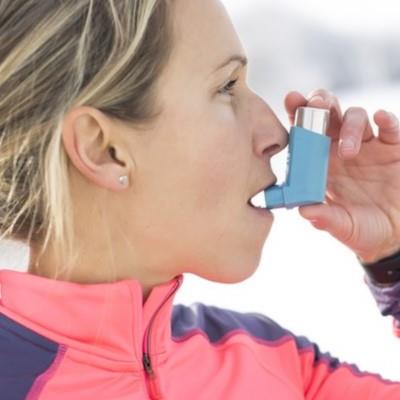
Exercise-induced bronchoconstriction (EIB) is a condition characterised by transient lower airway narrowing that occurs in association with physical activity, leading to respiratory symptoms, such as cough, wheeze, chest tightness and dyspnoea. The prevalence of EIB is estimated to be approximately 10% in the general population, yet significantly higher in elite endurance-based athletes, particularly those exposed to allergy or irritant-laden environments. The pathophysiology of EIB is complex and has been the cause of considerable debate over the past fifty years. Despite significant advances in knowledge and understanding, the underpinning mechanisms remain incompletely understood. Likewise, detecting EIB remains a challenge due to the limited value of self-report symptoms and broad differential diagnosis. It is currently recommended that a form of objective indirect bronchial provocation testing (i.e., exercise, eucapnic voluntary hyperpnoea or inhaled mannitol) is employed to secure a diagnosis, however, these tests are typically only available at specialist centres and require expensive set-up and technical expertise.
To facilitate scientific progression, this research topic therefore welcomes the submission of original articles focusing on recent discoveries concerning pathophysiological mechanisms, diagnostic biomarkers and EIB treatment strategies.
Keywords: Asthma, biomarker, exercise-induced bronchoconstriction, pathophysiology, sports
Important note: All contributions to this Research Topic must be within the scope of the section and journal to which they are submitted, as defined in their mission statements. Frontiers reserves the right to guide an out-of-scope manuscript to a more suitable section or journal at any stage of peer review.
