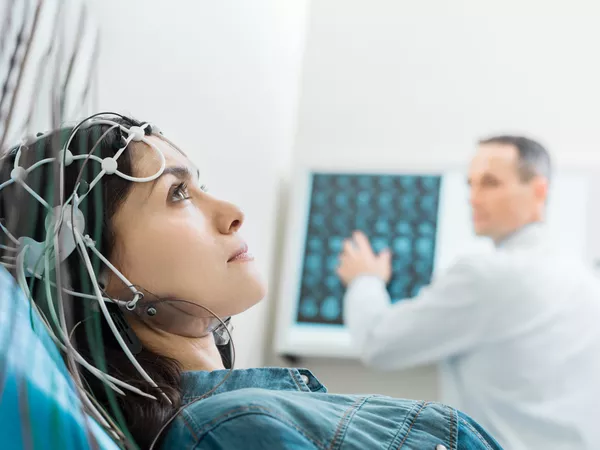
Cerebral cavernous malformations are a rare disease. It is a type of cerebral vascular abnormality, variable in location and mode of presentation. Cerebral cavernous malformations may present with seizures, focal neurological deficits, and intracerebral haemorrhage, although identification of asymptomatic cerebral cavernous malformations is occurring more frequently due to increased imaging. They can be managed by conservative therapy or treated with neurosurgical excision or stereotactic radiosurgery. However, neurosurgical excision and stereotactic radiosurgery are associated with significant adverse effects. There remains uncertainty about which treatment strategy results in the best outcome. A better understanding of the intracerebral haemorrhage risk for symptomatic and asymptomatic cerebral cavernous malformations would improve treatment decisions. Additionally, a novel and less invasive medication treatment to decrease the risk of intracerebral haemorrhage in cerebral cavernous malformations would be helpful.
This Research Topic focuses on the natural history, etiology, prediction of haemorrhage risk, and different treatments of cerebral cavernous malformations. Our goals for this Research Topic are to highlight advances in the field of cerebral cavernous malformations and to suggest where gaps remain.
This Research Topic highlights the progress in understanding cerebral cavernous malformations etiology, diagnosis, and treatment. Additionally, there is a need for intracerebral haemorrhage risk evaluation and novel treatment options.
We welcome Original Research Articles, Review Articles, Methods, Theory and Hypothesis contributing, but not limited, to advancing our understanding of:
• The pathogenic mechanisms of cerebral cavernous malformations
• Intracerebral haemorrhage risk factors and the strength of known risk factors for cerebral cavernous malformations
• Diagnostic imaging characteristics and the added value of machine learning techniques
• Clinical course and outcome
• Therapeutic approaches and novel developments
• Management of asymptomatic cavernous malformations
- Case reports can not be submitted to this Research Topic.
Volume I -> https://www.frontiersin.org/research-topics/20776/cerebral-venous-thrombosis#overview
Declaration of minor conflicts of interest:
- Prof. K. Flemming, Consultant for Recursion pharmaceutical
- Dr. Lanzino, Consultant for Nested Knowledge and Superior Medical Editors, both irrelevant to the current work
Keywords: cerebral cavernous malformations, cavernous angioma, cavernoma
Important note: All contributions to this Research Topic must be within the scope of the section and journal to which they are submitted, as defined in their mission statements. Frontiers reserves the right to guide an out-of-scope manuscript to a more suitable section or journal at any stage of peer review.