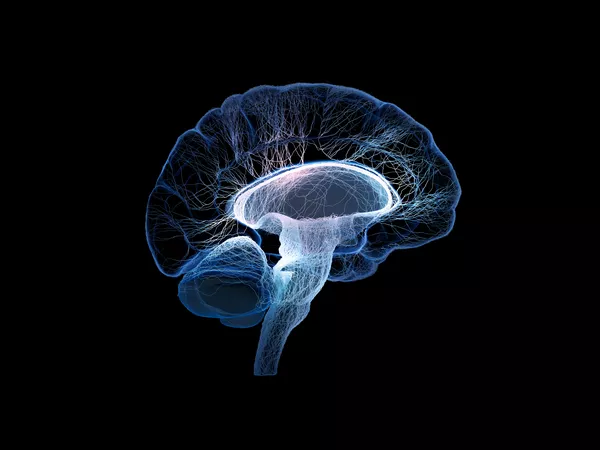
In the past, glial cells from the central nervous system (CNS) and enteric nervous system (ENS) were identified as supportive cells for neurons, which had a central role in health and disease conditions. However, several recent investigations have shown key role of astrocytes and microglia in the brain, as well as enteric glial cells (EGCs) in the gut, during neuroinflammation associated with diverse neurological disorders and gut inflammation, respectively. Additionally, it is well known that dysbiosis increases the susceptibility to intestinal damage as well as the development of neurological disorders. However, understanding how the brain-gut axis and the glial cells contribute to these disorders has been a challenge.
There is no efficient treatment for neurological diseases. Understanding their pathogenesis, especially how glial cells in the brain or gut contribute to the brain and gut damage during neuroinflammation will help to develop accurate treatment or prevention for neurological diseases associated with gut inflammation for example. It is well known that many neurological diseases increase the healthcare cost worldwide and decrease the quality of life of the patients.
This research topic opens the opportunity to publish research related to questions involving the role of glial cells (astrocytes, microglia, oligodendrocytes, Schwann cells, as well as enteric glia) in the brain-gut axis during neuroinflammation.
This Research Topic will focus on basic science and clinical studies, including Original Research, Clinical Trials, Meta-Analysis, Systematic Review, Review, Protocol, Methods, Hypothesis, and Theory.
Keywords: Central nervous system, Enteric nervous system, Gut, Glia, Neuroinflammation
Important note: All contributions to this Research Topic must be within the scope of the section and journal to which they are submitted, as defined in their mission statements. Frontiers reserves the right to guide an out-of-scope manuscript to a more suitable section or journal at any stage of peer review.