FG
francesco gentile
Institute of Life Sciences, Sant'Anna School of Advanced Studies
Pisa, Italy
2,702
Total downloads
20k
Total views and downloads
Submit your idea
You will be redirected to our submission process.
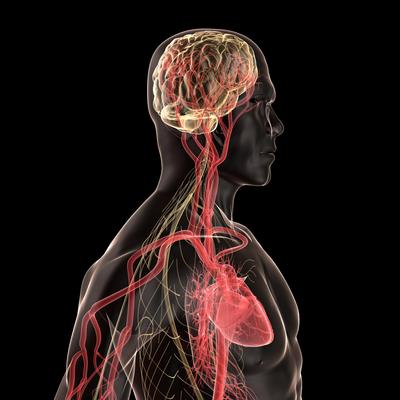
Cardiovascular diseases remain the most prevalent cause of morbidity and mortality globally, significantly impacting public health systems. An integral component of these diseases is autonomic imbalance, a pathophysiological hallmark implicated in conditions such as hypertension, ischemic heart disease, cardiac arrhythmias, and heart failure. Although therapeutic interventions designed to restore autonomic balance have shown promise and clinical efficacy, many patients still experience persistent autonomic dysfunction, suggesting limitations in existing therapeutic strategies. Recent studies have increasingly examined the involvement of autonomic dysregulation in disease progression, emphasizing its role in determining clinical outcomes and highlighting a critical need for more effective and targeted treatments.
This Research Topic aims to deepen the current understanding of autonomic dysfunction mechanisms in cardiovascular conditions and rigorously assess new diagnostic, prognostic, and neurotherapeutic strategies designed to restore autonomic balance. Specifically, it seeks to explore preclinical models dedicated to elucidating underlying mechanisms implicating autonomic imbalance, identify emerging biomarkers and targets for therapeutic intervention, and evaluate advanced clinical approaches such as sympathetic denervation, baroreflex activation therapy, invasive and transcutaneous vagal nerve stimulation, and cardio-neuro-ablation. By addressing residual autonomic dysfunction in cardiovascular patients, the goal is to provide more effective therapies with improved, lasting clinical outcomes.
To gather further insights into the role of autonomic dysfunction in cardiovascular diseases, we welcome articles addressing, but not limited to, the following themes:
- Mechanisms underlying autonomic dysregulation in cardiovascular disease progression.
- Identification of potential biomarkers indicative of autonomic imbalance.
- Clinical applications and efficacy of sympathetic denervation techniques.
- Therapeutic potential of invasive and noninvasive vagus nerve stimulation.
- Outcomes related to baroreflex activation therapy and its cardiovascular effects.
- Advances in cardio-neuro-ablation therapy as a promising therapeutic avenue.
- Novel pharmacological and bioelectronic neuromodulation approaches aimed at restoring autonomic balance.
Article types encouraged for submission include original research articles (preclinical and clinical studies) and comprehensive narrative or systematic reviews.
This Research Topic accepts the following article types, unless otherwise specified in the Research Topic description:
Articles that are accepted for publication by our external editors following rigorous peer review incur a publishing fee charged to Authors, institutions, or funders.
Keywords: Autonomic Function, Neuromodulation, Cardiovascular Disease, Autonomic Imbalance, Vagus nerve stimulation, Baroreflex activation therapy, Cardio-neuro-ablation therapy, Sympathetic denervation techniques
Important note: All contributions to this Research Topic must be within the scope of the section and journal to which they are submitted, as defined in their mission statements. Frontiers reserves the right to guide an out-of-scope manuscript to a more suitable section or journal at any stage of peer review.
Manuscripts can be submitted to this Research Topic via the main journal or any other participating journal.
Submit your idea
You will be redirected to our submission process.
