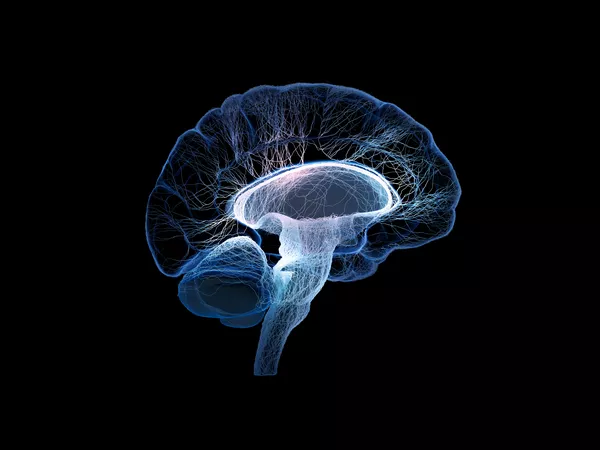
The field of cognitive neuroscience has made significant strides in understanding how individuals interact with their environments at the neural level during learning and cognitive states. Despite these advancements, there remain critical questions about the specific brain mechanisms involved in acquiring new knowledge or skills through experience, study, or teaching. Current research has identified distinct processes such as encoding, storage, and retrieval of information, each marked by unique brain activities and patterns. However, the complexity of these processes and their integration within the brain is not yet fully understood. Recent studies have employed multimodal approaches, analyzing brain electrical activity, facial expressions, language usage, and eye movements to gain insights into these cognitive functions. While these studies have provided valuable data, there is a need for more comprehensive investigations that integrate these modalities to uncover the underlying mechanisms that either promote or inhibit effective learning and cognitive performance.
This research topic aims to explore the neural correlates of various cognitive functions, including attentional control, working memory, and executive functioning, to elucidate how these processes are integrated within the brain. By employing state-of-the-art technologies such as electroencephalography (EEG), functional near-infrared spectroscopy (fNIRs), magnetic resonance imaging (MRI), eye-tracking, and large language models (LLM), the research seeks to identify the neural signatures and dynamics from the initial exposure to information to its consolidation and application. The ultimate objective is to enhance the understanding of learning cognitive processes, which can inform the creation of neuroscience-based educational strategies and cognitive interventions.
To gather further insights in the interaction between individuals and their environments at the neural level during learning and cognitive states, we welcome articles addressing, but not limited to, the following themes:
- Applications of multimodal approaches in recognition and assessment of learning and cognitive states
- The use and potential implications of techniques such as EEG, fNIRs, MRI, LLM, and eye-tracking in the process of learning
- Quantitative measurement of cognitive states and their applications
- Novel technologies applied in the study of learning and cognition
- The application of neuroimaging in the assessment of learning and cognitive states
Keywords: assessment of learning and cognitive states, multi-modal approaches, brain-computer interfaces, eye tracking, neuroimaging, large language model
Important note: All contributions to this Research Topic must be within the scope of the section and journal to which they are submitted, as defined in their mission statements. Frontiers reserves the right to guide an out-of-scope manuscript to a more suitable section or journal at any stage of peer review.