NJ
nimanthi jayathilaka
University of Kelaniya
Colombo, Sri Lanka
2,499
Total downloads
15k
Total views and downloads
Submit your idea
Select the journal/section where you want your idea to be submitted:
Manuscript Submission Deadline 31 December 2025
This Research Topic is currently accepting articles.
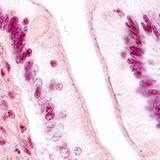
The regulation of permeability of tight junctions is a critical area of research within cellular biology, focusing on the selective barrier function of epithelial cell layers. Tight junctions are essential for maintaining the balance between absorption and secretion processes while preventing the intrusion of harmful luminal contents. These junctions are maintained by a complex network of protein interactions, including peripheral membrane adaptor proteins such as zonula occludens-1 (ZO-1), ZO-2, and ZO-3, which connect integral transmembrane proteins like occludin, claudins, junctional adhesion molecule (JAM), and tricellulin to the actin cytoskeleton. Despite significant advancements, the field still grapples with understanding the full extent of how gene expression networks, non-coding RNA, dietary components, and small molecules influence tight junction permeability. Moreover, the organ-specific features of tight junction-dependent barrier functions and the impact of dietary inputs remain underexplored. Inflammatory cytokines, such as tumor necrosis factor and interleukins, have been shown to affect tight junction protein expression, yet the influence of inflammatory responses to dietary components on tight junction regulation is not fully understood.
This Research Topic aims to explore the influence of dietary nutrients and oral nutritional supplements, such as phytochemicals, on the regulation of tight junction permeability. By investigating these interactions, the research seeks to enhance our understanding of how dietary intake can modulate tight junction permeability to small polar compounds, such as phenolic antioxidants and small molecule drugs, and influence inflammatory responses and related diseases. The goal is to provide insights that could lead to improved therapeutic strategies for conditions associated with tight junction dysfunction.
To gather further insights into the regulation of tight junction permeability by dietary nutrients, we welcome articles addressing, but not limited to, the following themes:
- Regulation of passive paracellular permeation.
- Influence of dietary nutrients, such as fatty acids, on passive paracellular permeation.
- Influence of food components on the distribution, expression, and modifications of tight junction proteins, regulatory proteins, and regulatory RNA.
- Influence of food components on signaling and inflammatory responses to and from tight junctions, adherens junctions, desmosomes, and gap junctions.
- Dietary influence on the dysregulation of tight junction barrier functions.
This Research Topic accepts the following article types, unless otherwise specified in the Research Topic description:
Articles that are accepted for publication by our external editors following rigorous peer review incur a publishing fee charged to Authors, institutions, or funders.
Keywords: tight junctions, occluding junctions, zonulae occludentes, tight junction permeability, passive paracellular permeation, intestinal absorption, permeability of polar molecules
Important note: All contributions to this Research Topic must be within the scope of the section and journal to which they are submitted, as defined in their mission statements. Frontiers reserves the right to guide an out-of-scope manuscript to a more suitable section or journal at any stage of peer review.

Manuscripts can be submitted to this Research Topic via the main journal or any other participating journal.
Submit your idea
Select the journal/section where you want your idea to be submitted: