JA
josip a. borovac
University Hospital Split
Split, Croatia
6,022
Total downloads
29k
Total views and downloads
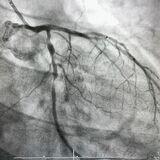
Ischemic heart disease is the leading cause of disability and premature death worldwide. Chronic coronary syndrome (CCS), previously known as stable angina, is a progressive and chronic disease of the coronary arteries. Its course can be significantly altered by lifestyle modifications, conservative therapy (pharmacotherapy), and coronary revascularization. These measures have a significant impact on the patient's journey in terms of symptoms, quality of life, and, to a certain extent, prognosis. Furthermore, these treatment strategies can ensure the long "stable" path of the disease, even inducing its regression. However, a patient with CCS can be destabilized at any time, usually by an acute atherothrombotic event. Coronary revascularization can be offered to a patient through coronary artery bypass graft surgery (CABG), percutaneous coronary intervention (PCI), or sometimes a hybrid invasive approach. While invasive strategies have proven profoundly effective in reducing mortality, morbidity, and symptoms in the setting of acute coronary syndrome, their role in patients with CCS compared to conservative therapy is less clear. In this patient population, coronary revascularization is largely reserved for those with unacceptable and limiting angina despite conservative therapy, significant left ventricular systolic dysfunction, or high-risk coronary anatomy.
This research topic aims to gather contributions from clinical and translational researchers worldwide on the challenges and advancements in diagnosing, managing, and risk-stratifying patients with chronic coronary syndrome (CCS). The primary goals include identifying which CCS patients benefit most from revascularization, determining criteria for revascularization in patients with severe left ventricular systolic dysfunction, exploring factors influencing revascularization decisions, assessing the impact of non-cardiac comorbidities, age, and quality of life on decision-making, investigating the role of exercise tests and non-invasive imaging in risk stratification and coronary disease detection, evaluating the efficacy of anti-ischemic, antithrombotic, and other drugs for CCS, optimizing conservative medical therapy for individual patients, addressing the challenges in diagnosing and treating patients with microvascular or vasospastic angina without obstructive epicardial coronary disease, and enhancing understanding of CCS complexities in clinical practice through collaborative research and shared-decision making.
To gather further insights into the complexities of CCS management, we welcome articles addressing, but not limited to, the following themes:
- Original studies in the field of CCS, such as those dealing with the diagnosis and quantification of coronary disease burden using intravascular imaging methods like intravascular ultrasound (IVUS) or optical coherence tomography (OCT), and imaging-guided PCI in CCS.
- Papers focused on different management strategies in CCS, particularly those reporting important outcome data such as mortality, recurrent hospitalizations, angina occurrence, and quality of life.
- Clinical studies investigating various devices in CCS, such as coronary sinus reducers, drug-coated balloons, third-generation drug-eluting stents, calcium-modification methods, and similar innovations.
- Data derived from big-data research in this setting, including nationwide datasets or information from multicentric registries.
- Manuscripts focused on the diagnosis and management of non-obstructive CCS conditions, such as microvascular and/or vasospastic angina.
- Manuscripts focused on the diagnosis and management of special and complex populations within the CCS spectrum such as patients with chronic total occlusion (CTO).
- Up-to-date, state-of-the-art review articles on relevant CCS topics with large uncertainties or high levels of debate.
- Translational research papers on a case-by-case basis.
Keywords: chronic coronary syndrome, Optimal medical therapy, OMT, Percutaneous coronary intervention, Stable angina
Important note: All contributions to this Research Topic must be within the scope of the section and journal to which they are submitted, as defined in their mission statements. Frontiers reserves the right to guide an out-of-scope manuscript to a more suitable section or journal at any stage of peer review.
