DJ
dr. joyeeta talukdar
All India Institute of Medical Sciences
New Delhi, India
117
Total downloads
4,160
Total views and downloads
Submit your idea
Select the journal/section where you want your idea to be submitted:
Manuscript Summary Submission Deadline 30 January 2026 | Manuscript Submission Deadline 1 February 2026
This Research Topic is currently accepting articles.
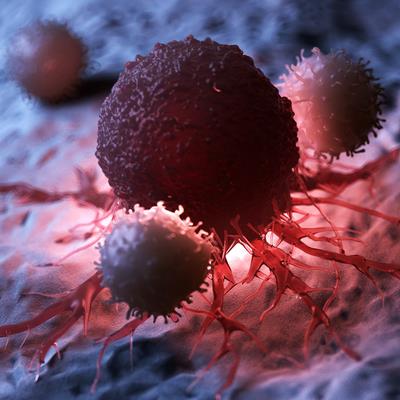
Trogocytosis is a process by which cells incorporate membrane fragments and surface receptors from target cells during direct contact. This phenomenon is primarily studied within the context of the immune system, being a crucial process for immune surveillance and detecting abnormal cells.
In the context of cancer, trogocytosis highlights the complex interactions between immune cells and cancer cells. As cancer cells often develop mechanisms to evade immune detection, trogocytosis adds an additional layer of complexity by allowing the transfer of cellular fragments and signaling molecules, which can alter the behavior of both immune and cancer cells. This process may lead to immune cell exhaustion or inadvertently support tumor survival.
Additionally, cancer stem cells (CSCs), a subset of cancer cells capable of indefinite proliferation and tumor regeneration, pose a significant challenge by remaining hidden and resistant to treatments, leading to relapse. Investigating trogocytic interactions with CSCs is a burgeoning research area that may reveal novel therapeutic targets and strategies to prevent tumor recurrence, underscoring the dual role of trogocytosis in cancer immunity.
The primary goal of this Research Topic is to explore the intricate relationships between trogocytosis, CSCs, and distant cancer recurrence. Understanding the mechanisms by which trogocytosis affects CSCs behavior and contributes to their dormancy and reactivation is crucial. Additionally, elucidating how trogocytosis influences the tumor microenvironment and facilitates immune evasion can uncover potential therapeutic targets. By addressing these questions, we aim to identify novel interventions that can more effectively target CSCs, thereby reducing the incidence of distant recurrence and improving long-term patient outcomes. This research area has the potential to pave the way for innovative treatments that can overcome the challenges of cancer resistance and recurrence.
This research topic invites contributions that address the following themes:
• Mechanisms of trogocytosis in CSCs and its impact on tumor biology.
• The role of dormant CSCs in cancer recurrence and strategies to target them.
• Interactions between CSCs and the tumor microenvironment facilitated by trogocytosis.
• Immune evasion mechanisms linked to trogocytosis and potential therapeutic interventions.
• Clinical implications of targeting trogocytosis and CSCs in cancer treatment.
We welcome original research articles, comprehensive reviews, and insightful perspectives that provide new understanding and advancements in these areas. Contributions should aim to enhance our knowledge of cancer biology and inform the development of more effective cancer treatments.
This Research Topic accepts the following article types, unless otherwise specified in the Research Topic description:
Articles that are accepted for publication by our external editors following rigorous peer review incur a publishing fee charged to Authors, institutions, or funders.
Keywords: Cancer Stem Cells (CSCs), Trogocytosis, Distant Recurrence, Tumor Microenvironment, Immune Evasion, Cancer Therapy
Important note: All contributions to this Research Topic must be within the scope of the section and journal to which they are submitted, as defined in their mission statements. Frontiers reserves the right to guide an out-of-scope manuscript to a more suitable section or journal at any stage of peer review.
All India Institute of Medical Sciences
New Delhi, India
KaviKrishna Laboratory
Guwahati, India
All India Institute of Medical Sciences
New Delhi, India
Action Cancer Hospital
New Delhi, India
Department of Cancer and Stem Cell Biology, KaviKrishna Laboratory, Indian Institute of Technology Guwahati
Guwahati, India

Manuscripts can be submitted to this Research Topic via the main journal or any other participating journal.
Submit your idea
Select the journal/section where you want your idea to be submitted: