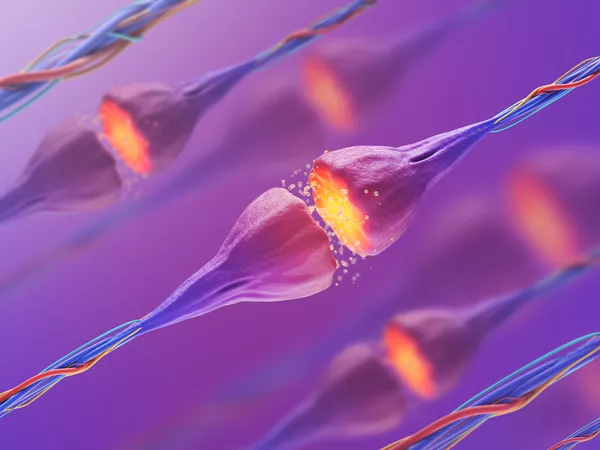
Organoid technology is an innovative field in biomedical research that involves the cultivation of three-dimensional, miniaturized, and functional organ-like structures in vitro, capable of self-organizing into complex tissue architectures that closely mimic the structure and function of real human organs. Over the last two decades, organoid technology has rapidly advanced, offering powerful tools for modeling human development and disease, drug screening, and personalized and regenerative medicine. Neural organoids represent a specific field of organoid research. Due to the significance of the nervous system, this area is a major focus of research, where scientific and medical aspects are closely examined alongside ethical considerations and the sensitivities of all potentially involved stakeholders. As this technology advances, it raises important issues about the nature of consciousness, the moral status of organoids, and the implications for future research and therapies. Despite these advancements, there remains a need for a deeper understanding of the ethical and societal implications, as well as the technical challenges in enhancing organoid complexity and functionality.
This research topic aims to highlight recent advancements, innovative methodologies, and applications of organoid technology across various fields, as well as the ethical and social challenges raised by organoids. We seek to explore specific questions such as how neural organoids can be further developed for disease modeling, the role they play in personalized medicine, and their potential in drug screening. Additionally, the research will test hypotheses related to the enhancement of organoid complexity and functionality, and the ethical considerations surrounding their use in neuroscience and beyond.
To gather further insights in the realm of neural organoid research, we welcome articles addressing, but not limited to, the following themes: - Organoid development for disease modeling. - Organoids in personalized medicine. - Organoids in drug screening. - Technological improvements to enhance organoid complexity and functionality. - Applications of organoids in developmental biology. - Organoids in regenerative medicine. - Organoids in transplantation. - Organoid intelligence. - Ethics and societal acceptance of organoids. - Consciousness in organoids. - Informed consents for donors. - Patents and economic aspects.
Article types and fees
This Research Topic accepts the following article types, unless otherwise specified in the Research Topic description:
Brief Research Report
Case Report
Clinical Trial
Community Case Study
Conceptual Analysis
Data Report
Editorial
FAIR² Data
General Commentary
Articles that are accepted for publication by our external editors following rigorous peer review incur a publishing fee charged to Authors, institutions, or funders.
Article types
This Research Topic accepts the following article types, unless otherwise specified in the Research Topic description:
Important note: All contributions to this Research Topic must be within the scope of the section and journal to which they are submitted, as defined in their mission statements. Frontiers reserves the right to guide an out-of-scope manuscript to a more suitable section or journal at any stage of peer review.