AM
andrea martinuzzi
Eugenio Medea (IRCCS)
Bosisio Parini, Italy
72
Total downloads
2,590
Total views and downloads
Submit your idea
You will be redirected to our submission process.
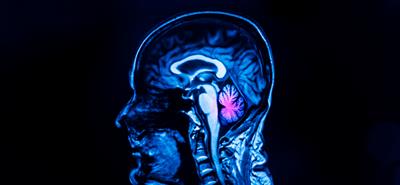
The cerebellum, traditionally known for its role in motor control and coordination, is increasingly recognized for its contributions to cognitive and behavioral functions. Advances in neuroimaging and neuropsychology reveal that it is involved in processes such as language, executive function, attention, and emotional regulation. Studies have shown that cerebellar lesions and diseases, such as cerebellar ataxia, strokes, tumors, and degenerative diseases may lead to cognitive impairments and behavioral changes, indicating that the cerebellum plays an integral role in integrating motor and cognitive functions. Understanding the full extent of the cerebellum’s functions, especially in the context of the impact of injury or disease, can provide crucial insights into this integration of motor and cognitive processes and offer new avenues for therapeutic interventions
This Research Topic aims to deepen our understanding of the cognitive and behavioral consequences of cerebellar lesions and diseases. It seeks to gather diverse research perspectives to highlight the mechanisms underlying cerebellar influence on higher-order functions. By exploring these dimensions, we aim to bridge the gap between clinical observations and the underlying neurobiological processes. Through this effort, we hope to advance diagnostic criteria, improve rehabilitation strategies, and ultimately enhance the quality of life for individuals affected by cerebellar impairments.
This Research Topic welcomes any article types accepted by the journal pertaining, but not limited to, the following topics:
- The neuroanatomical basis of cerebellar cognitive functions
- Clinical manifestations of cerebellar lesions and diseases, particularly in terms of cognitive deficits and behavioral changes
- The role of the cerebellum in language production and comprehension
- The role of the cerebellum in memory recall and formation
- The role of the cerebellum in emotional regulation and social cognition
- Rehabilitation techniques targeting cerebellar motor and cognitive changes
- Pharmacological approaches to mitigate possible cognitive and behavioral changes
- The role of cerebellar neuroplasticity following injury
- Factors influencing cognitive and behavioural recovery and adaptation post-lesion
Topic Editors Dr Andrea Martinuzzi and Dr Louise Corben provide consultancy services to Biogen. Additionally, Dr Paola Giunti provides consultancy and receives a research grant from Biogen, UBC, and PTC.
This Research Topic accepts the following article types, unless otherwise specified in the Research Topic description:
Articles that are accepted for publication by our external editors following rigorous peer review incur a publishing fee charged to Authors, institutions, or funders.
Keywords: Cerebellar dysfunction, Cognitive impairment, Behavioral changes, Motor coordination, Executive function, Emotional regulation, Cerebellar ataxia, Cerebellar lesions, Neuroimaging, Cerebellar connectivity
Important note: All contributions to this Research Topic must be within the scope of the section and journal to which they are submitted, as defined in their mission statements. Frontiers reserves the right to guide an out-of-scope manuscript to a more suitable section or journal at any stage of peer review.
Manuscripts can be submitted to this Research Topic via the main journal or any other participating journal.
Submit your idea
You will be redirected to our submission process.