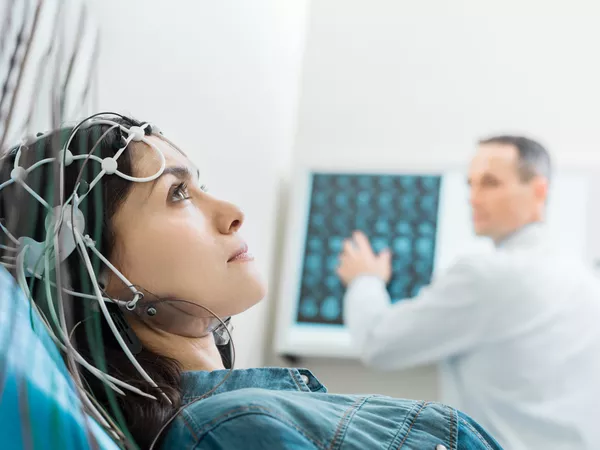
Sleep disorders are highly prevalent in today’s fast-paced society, with approximately 30%-40% of the global population. Sleep disorders, ranging from insomnia to sleep apnea, not only impair the quality of life but are also intricately linked with a plethora of health issues, including cardiovascular diseases, diabetes, and mental health disorders. Understanding the underlying mechanisms of these conditions is crucial for developing effective interventions. Advances in this area can lead to the discovery of novel therapeutic targets, personalized medicine approaches, and non-pharmacological interventions that can significantly improve patient outcomes. Moreover, as society grapples with increasing stress and lifestyle changes, the ripple effects of improved sleep health can enhance overall societal well-being, productivity, and healthcare cost-efficiency. Thus, delving into this research direction holds the promise of transformative impacts on both individual and public health levels.
In recent years, significant progress has been made in both clinical and basic research on sleep disorders, shedding light on their complex mechanisms and paving the way for innovative interventions. Clinically, advancements in diagnostic tools, such as polysomnography and wearable technology, have enabled more accurate and accessible detection of conditions like insomnia, sleep apnea, and circadian rhythm disorders. The development of targeted therapies, including cognitive-behavioral therapy for insomnia (CBT-I) and novel pharmacological treatments, has improved patient outcomes and quality of life. On the basic research front, breakthroughs in understanding the neurobiological, genetic, and molecular underpinnings of sleep regulation have revealed new pathways and biomarkers, offering potential targets for therapeutic intervention. These collective advancements not only deepen our understanding of sleep disorders but also hold profound implications for addressing their widespread impact on physical and mental health. By bridging the gap between research and clinical practice, these discoveries contribute to more personalized, effective, and holistic approaches to sleep medicine, ultimately enhancing global health and well-being.
We would like to organize recent studies on sleep disorders, both experimental and clinical, on this topic. We hope this topic will arouse greater interest from clinicians and researchers.
Possible topics of interest include, but are not limited to:
• Neurobiological mechanisms of sleep disorders, including insomnia, sleep apnea, restless legs syndrome, and narcolepsy;
• The interaction between infection, immunity, metabolism (such as inflammatory factors, gut flora, gut-liver-brain axis, etc.), and sleep;
•The application of technology in the diagnosis and treatment of sleep disorders, including novel signal acquisition and sensor technologies, wearable devices, telemedicine, alternative polysomnography metrics and analyses,and artificial intelligence and machine learning- based signal analysis approach;
• Biomarkers and phenotyping-based prediction models on treatment outcomes of sleep disorders;
• The impact of sleep disorders on cognitive function, mood, and overall health.
Keywords: sleep disorders, insomnia, cognitive impairment, mechanisms, interventional strategies, sleep apnea syndrome
Important note: All contributions to this Research Topic must be within the scope of the section and journal to which they are submitted, as defined in their mission statements. Frontiers reserves the right to guide an out-of-scope manuscript to a more suitable section or journal at any stage of peer review.