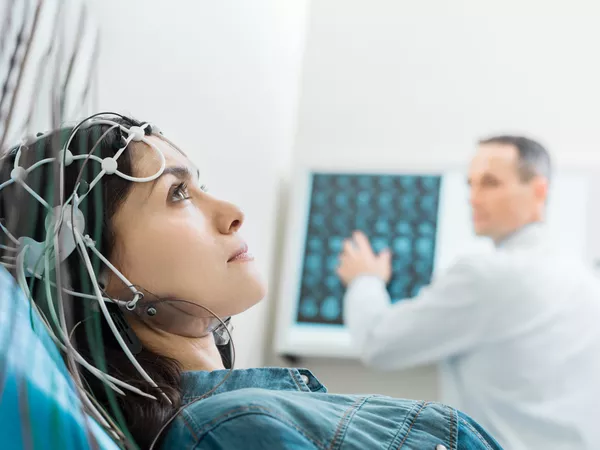
The push to understand and effectively treat neurodegenerative diseases has entered a new era with the rise of artificial intelligence (AI). This integration of AI with biomarker research promises notable strides towards the early detection and tailored treatment of diseases like Alzheimer’s, Parkinson’s, and Spinocerebellar Ataxias (SCAs). Recent advancements, including deep learning and machine learning algorithms, supplemented by tools like AlphaFold, have revolutionized our grasp on biomolecular pathways, gene interactions, and protein structures. As an illustration of such advancements, microRNAs have increasingly become prominent as crucial disease biomarkers, providing a new layer of precision in identifying pathophysiological processes.
This Research Topic aims to explore and expand the role of AI in enhancing biomarker accuracy for neurodegenerative conditions, focusing on early diagnosis and the personalization of treatment methodologies. The pivotal goal is to cultivate research that employs AI to not just improve the sensitivity and specificity of biomarkers but also to foster groundbreaking approaches to drug discovery and disease management strategies. This initiative is expected to bridge the gap between current treatment practices and futuristic, highly effective therapeutic interventions that meet the individual needs of patients.
To gather further insights into the integration of AI within the fields of biomarker research and neurodegenerative disease management, we welcome articles addressing, but not limited to, the following themes:
- Innovative Algorithms: Evaluation of AI's impact in uncovering novel biomarkers, enhancing diagnostic precision.
- Novel Approaches: Synergy between AI and multi-modal data to advance biomarker utility.
- Early Diagnosis: Role of AI in improving early detection metrics that allow for prompt clinical interventions.
- Predictive Models: Creation and application of AI-based models for predicting disease progression.
- Tailored Treatments: AI’s contributions to personalized treatment plans based on biomarker data.
- Clinical Integration: Challenges and breakthroughs in embedding AI tools in clinical settings.
- Emerging Technologies: Future possibilities that AI and related technologies may unlock in biomarker research.
- Interdisciplinary Collaboration: The need for a collaborative approach to optimize research outcomes.
- Bias and Fairness: Ethical concerns around AI in research, including biases and solutions.
- Data Privacy: Approaches to ensuring privacy without hindering technological advancement.
By focusing on such diverse and vital facets, this article collection aims to foster a comprehensive dialogue that paves the way for transformative impacts in the field of neurodegeneration.
Keywords: neurodegenerative conditions, neurodegenerative diseases, artificial intelligence, AI, deep learning, machine learning, biomarker accuracy
Important note: All contributions to this Research Topic must be within the scope of the section and journal to which they are submitted, as defined in their mission statements. Frontiers reserves the right to guide an out-of-scope manuscript to a more suitable section or journal at any stage of peer review.