AC
angelo canciello
Faculty of Bioscience and Technology for Food Agriculture and Environment, University of Teramo
Teramo, Italy
759
Total downloads
5,986
Total views and downloads
Submit your idea
You will be redirected to our submission process.
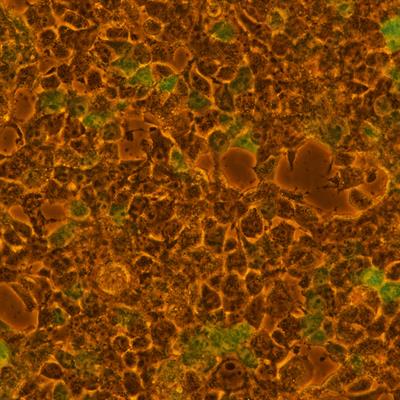
Epithelial-mesenchymal transition (EMT) and epithelial-mesenchymal plasticity (EMP) play crucial roles in both physiological and pathological processes. EMP involves the generation of a wide spectrum of cells with mixed epithelial and mesenchymal characteristics, known as hybrid E/M cells. These hybrid E/M cells exhibit unique behaviors, such as enhanced stemness, collective migration, and improved immune evasion and suppression.
Hormonal signals, such as TGF-β, estrogen, and progesterone, significantly impact the progression of endocrine-related cancers, fibrosis, and regenerative processes. Understanding the endocrine drivers of EMT and EMP presents opportunities for therapeutic interventions, particularly in conditions where hormonal imbalances contribute to disease.
This Research Topic aims to explore the role of EMT and EMP in endocrine health and disease, focusing on how hormonal regulation affects cellular transitions in both physiological and pathological contexts. Submissions integrating molecular, clinical, and therapeutic perspectives are encouraged to advance understanding of how EMT and EMP influence endocrine-related disorders, providing insights into novel therapeutic targets.
This Research Topic welcomes submissions focused on, but not limited to, the following subtopics:
• Hormonal regulation of EMT in endocrine tissues, exploring how hormones such as estrogen, TGF-β, and progesterone influence EMT in the thyroid, pituitary, adrenal glands, and other endocrine organs.
• EMT in endocrine-related cancers, with emphasis on its role in the invasiveness and metastasis of hormone-driven cancers, including thyroid, pituitary, and adrenal tumors, and its implications for treatment strategies.
• The role of EMT in tissue regeneration within endocrine organs, focusing on its therapeutic potential in conditions such as thyroid dysfunction, adrenal disorders, and diabetes.
• Stem cell applications and EMT, highlighting the potential of stem-cell-driven EMT in regenerating damaged endocrine tissues and its relevance in hormone-related regenerative therapies.
• Immune modulation and EMT in endocrine diseases, investigating how EMT modulates immune responses in endocrine-related conditions and its therapeutic applications in managing autoimmune endocrine diseases.
• EMT in physiological and pathological conditions, examining how hybrid E/M cells contribute to tissue regeneration or drive cancer invasiveness and metastasis, with a focus on targeting these hybrid cells to improve therapeutic outcomes.
This Research Topic accepts the following article types, unless otherwise specified in the Research Topic description:
Articles that are accepted for publication by our external editors following rigorous peer review incur a publishing fee charged to Authors, institutions, or funders.
Keywords: Epithelial-Mesenchymal Transition, Epithelial-Mesenchymal Plasticity, Hormonal Regulation, Endocrine Disorders, Hybrid E/M Cells, Endocrine-Related Cancers, Tissue Regeneration, Immune Modulation, Therapeutic Potential, Hormonal Imbalances.
Important note: All contributions to this Research Topic must be within the scope of the section and journal to which they are submitted, as defined in their mission statements. Frontiers reserves the right to guide an out-of-scope manuscript to a more suitable section or journal at any stage of peer review.
Manuscripts can be submitted to this Research Topic via the main journal or any other participating journal.
Submit your idea
You will be redirected to our submission process.
