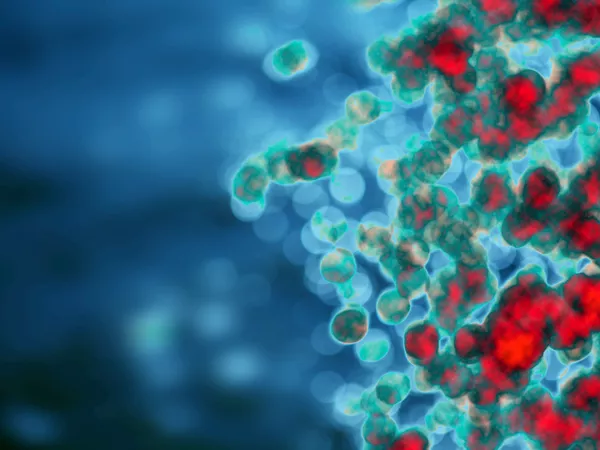
The study of the relationship between the immune system and various microbiomes is a rapidly evolving field that offers significant insights into the balance between health and disease. These microbiomes, present in different parts of the body, play a fundamental role in modulating immune responses. Advances in sequencing technologies and omics analysis techniques—genomics, transcriptomics, epigenomics, and metagenomics—have significantly deepened our understanding of these interactions, particularly how microbial metabolites influence immune cell function and contribute to immune homeostasis. Recent research has identified potential key mechanisms by which the microbiome shapes both innate and adaptive immunity, revealing new therapeutic targets for a wide range of conditions, including autoimmune diseases and infections. This Research Topic aims to present the latest innovations and highlight the complex interactions within this field, offering a comprehensive overview of current trends and future directions in microbiome-immune system research.
Maintaining our health depends on the interaction between the immune system and the microbiota. It can be difficult to comprehend these intricate relationships, though. According to recent studies, the gut microbiota has a major impact on immune response modulation, which impacts ailments including autoimmune disorders and inflammatory diseases.
We must investigate and delineate the primary interactions between the immune system and the microbiome to address this problem. We can learn more by using sophisticated models, both in vitro (outside of living things) and in vivo (inside living things). While in vitro models enable controlled experiments free from ethical issues, in vivo models offer a thorough biological background. Furthermore, by using computational models, in silico techniques can forecast interactions and results, opening the door for creative therapy methods.
Researchers can create focused therapies to alter the microbiome-immune axis by combining various techniques. New therapies for a range of immune-related disorders may result from this. This multidisciplinary strategy has a lot of potential to advance our knowledge of and ability to use microbiome-immunity interactions to enhance health outcomes.
This Research Topic aims to delve into the intricate interactions between the immune system and the microbiome, highlighting recent advancements and innovative approaches. We invite Original Research Articles, Review Articles, Short Communications, Case Studies and Methodological Papers that address the following themes:
• Mechanisms of microbiome-immune system interactions • Impact of gut microbiota on immune modulation • Role of microbiome in inflammatory and autoimmune diseases • Innovative in vivo, in vitro, and in silico models for studying microbiome-immunity interactions • Therapeutic strategies targeting the microbiome-immune axis • Influence of diet, lifestyle, and environment on microbiome and immunity
Article types and fees
This Research Topic accepts the following article types, unless otherwise specified in the Research Topic description:
Brief Research Report
Case Report
Classification
Clinical Trial
Editorial
FAIR² Data
Hypothesis and Theory
Methods
Mini Review
Articles that are accepted for publication by our external editors following rigorous peer review incur a publishing fee charged to Authors, institutions, or funders.
Article types
This Research Topic accepts the following article types, unless otherwise specified in the Research Topic description:
Brief Research Report
Case Report
Classification
Clinical Trial
Editorial
FAIR² Data
Hypothesis and Theory
Methods
Mini Review
Opinion
Original Research
Perspective
Review
Systematic Review
Technology and Code
Keywords: Microbiome, Gut microbiota, Immune modulation, Inflammatory diseases, Autoimmune disorders, Therapeutic strategies, Diet and immunity, Environmental influences on microbiome
Important note: All contributions to this Research Topic must be within the scope of the section and journal to which they are submitted, as defined in their mission statements. Frontiers reserves the right to guide an out-of-scope manuscript to a more suitable section or journal at any stage of peer review.