HK
hakjoo kim
Harvard Medical School
Boston, United States
1,863
Total downloads
13k
Total views and downloads
Submit your idea
You will be redirected to our submission process.
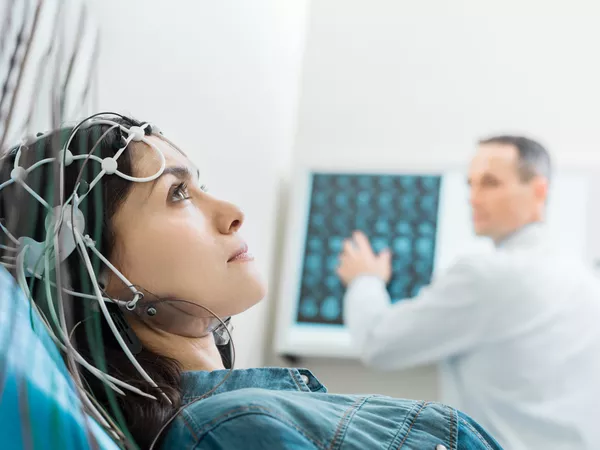
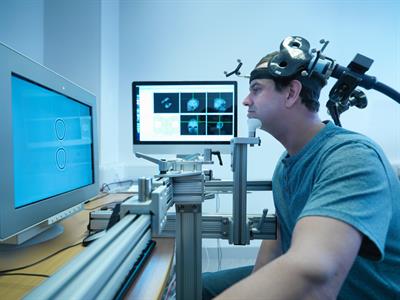
Interest in non-invasive brain stimulation techniques, such as transcranial direct current stimulation (tDCS), transcranial magnetic stimulation (TMS), and transcranial ultrasound stimulation (TUS), has been rapidly growing. These techniques are considered relatively safer, easier to apply, and more affordable compared to invasive methods. Numerous studies have demonstrated that these non-invasive neuromodulation techniques can induce neuroplasticity, such as synaptic plasticity, in both animal and human brains. This neuroplasticity not only enables the treatment of psychiatric disorders like depression but also has the potential to assist in the rehabilitation of stroke patients. With ongoing advancements, these non-invasive brain stimulation methods are increasingly recognized as innovative tools in basic neuroscience research and clinical application.
This Research Topic aims to present a comprehensive collection of studies exploring non-invasive brain stimulation techniques, spanning from basic mechanisms to innovative clinical applications. By integrating insights from both basic and clinical research, the goal is to uncover how these techniques induce neuroplasticity and explore their therapeutic potential for psychiatric disorders and neurological rehabilitation. We aim to highlight recent advances in biological mechanisms, practical methodologies, and translational strategies that support the development of these technologies into effective therapeutic tools. Furthermore, this topic encourages discussions on the integration with pharmacological and other interventions, methodological advancements for optimized therapeutic outcomes, and safety considerations.
This Research Topic welcomes contributions that explore the mechanisms and applications of non-invasive brain stimulation techniques in basic and clinical settings. We encourage authors to submit work on the following themes, including but not limited to:
- Investigations of neuroplasticity mechanisms induced by non-invasive brain stimulation.
- Effects of non-invasive brain stimulation on learning and memory.
- Therapeutic applications for various neurological disorders.
- Combined use of non-invasive brain stimulation with electroencephalography (EEG) or functional near-infrared spectroscopy (fNIRS) equipment.
- Non-invasive brain stimulation administered within functional magnetic resonance imaging (fMRI).
- Integration with pharmacological interventions.
- Methodological advancements to enhance efficacy of non-invasive brain stimulation.
- Studies related to the safety of non-invasive brain stimulation.
Contributors may submit original research, reviews, perspective articles, and opinion pieces to provide a comprehensive understanding of these topics.
This Research Topic accepts the following article types, unless otherwise specified in the Research Topic description:
Articles that are accepted for publication by our external editors following rigorous peer review incur a publishing fee charged to Authors, institutions, or funders.
Keywords: non-invasive brain stimulation, tDCS, TMS, TUS, neuroplasticity, rehabilitation
Important note: All contributions to this Research Topic must be within the scope of the section and journal to which they are submitted, as defined in their mission statements. Frontiers reserves the right to guide an out-of-scope manuscript to a more suitable section or journal at any stage of peer review.
Manuscripts can be submitted to this Research Topic via the main journal or any other participating journal.
Submit your idea
You will be redirected to our submission process.