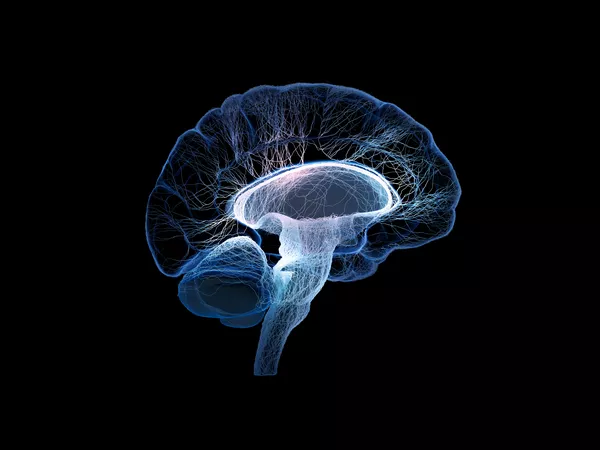
With the rapid advancement of technology, intelligent sensing and biomedical information processing technologies are increasingly being applied in the medical field, particularly in clinical neurology and neuroscience. These technologies provide new perspectives and tools for the diagnosis, treatment, and prevention of neurological disorders. Neurological episodic diseases, such as paralysis, Parkinson's disease, gait abnormalities, depression, multiple sclerosis, epilepsy, neurodegenerative diseases, congenital brain disorders, and cerebrovascular diseases, severely impact patients' quality of life and can even be life-threatening. However, the complex pathogenesis and diverse clinical manifestations of these diseases pose significant challenges to diagnosis and treatment. Intelligent sensing technologies enable real-time monitoring and recording of physiological signals in the nervous system, such as EEG, EMG, and eye movements, offering possibilities for early diagnosis and disease monitoring. Meanwhile, biomedical information processing technologies can deeply analyze and mine these vast and complex datasets, revealing intrinsic patterns and characteristics of diseases, thereby supporting precision medicine.
This research topic aims to bring together experts and scholars in the fields of clinical neurology and neuroscience to explore the prospects and challenges of intelligent sensing and biomedical information processing technologies in the context of neurological episodic diseases. By publishing high-quality academic papers, we seek to showcase the latest research achievements and clinical practices, driving technological innovation and academic progress in this field. Additionally, we hope this special issue will serve as a platform for clinicians and researchers to exchange knowledge, foster interdisciplinary collaboration, and provide new ideas and methods for the diagnosis and treatment of neurological episodic diseases.
Scope and information for authors
1. Applications of Intelligent Sensing Technologies in Clinical Neurology:
- Development and application of medical intelligent sensing devices.
- Real-time monitoring of multimodal neurophysiological signals.
2. Research on Biomedical Information Processing Technologies in Neuroscience:
- Processing and analysis of biomedical signals.
- Fusion and analysis of multimodal neuroimaging data.
- Diagnosis and prediction of neurological diseases.
3. Pathogenesis and Clinical Applications of Neurological Episodic Diseases:
- Research on the pathogenesis of diseases such as paralysis, Parkinson's disease, and gait abnormalities.
- Clinical features and diagnostic methods for depression, multiple sclerosis, and epilepsy.
-Prevention and treatment strategies for neurodegenerative diseases, congenital brain disorders, and cerebrovascular diseases.
4. Interdisciplinary Research and Collaboration:
- Integration of clinical neurology, neuroscience, and engineering technologies.
- Novel applications of intelligent sensing and biomedical information processing technologies in neuroscience research.
- Innovative practices of interdisciplinary collaboration in diagnosing and treating neurological diseases.
Important note: All contributions to this Research Topic must be within the scope of the section and journal to which they are submitted, as defined in their mission statements. Frontiers reserves the right to guide an out-of-scope manuscript to a more suitable section or journal at any stage of peer review.
Keywords: Intelligent Sensing, Biomedical Information Processing, Neurological Episodic Diseases, Clinical Neurology, Neuroscience
Important note: All contributions to this Research Topic must be within the scope of the section and journal to which they are submitted, as defined in their mission statements. Frontiers reserves the right to guide an out-of-scope manuscript to a more suitable section or journal at any stage of peer review.