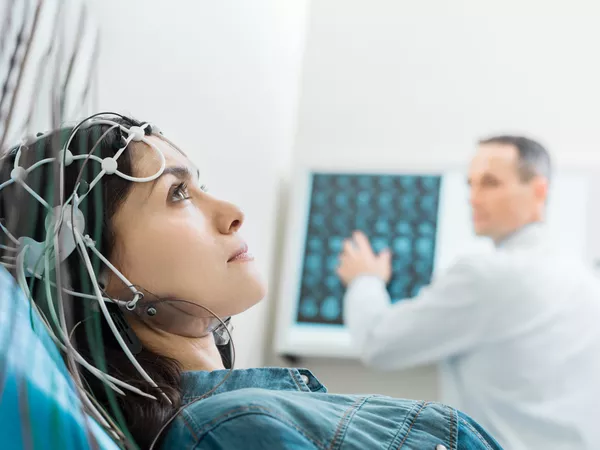
Stroke remains one of the leading causes of death and disability worldwide, with acute ischemic stroke (AIS) being the most prevalent type. Reperfusion therapy, aimed at restoring blood flow and mitigating tissue hypoxia, is a cornerstone of treatment. However, despite the clinical success of reperfusion strategies, many patients still suffer from reperfusion injury, with a significant portion failing to experience substantial benefits. This highlights an urgent need for neuroprotective interventions that can complement reperfusion efforts. The mechanisms underlying ischemia-reperfusion injury are complex and remain a subject of ongoing debate, and synergistic approaches combining neuroprotection and reperfusion therapies have yet to be fully explored. Targeted neuroprotective treatments have the potential to support early neurovascular recovery and reduce adverse outcomes, offering hope for better patient prognosis.
This Research Topic aims to investigate the mechanisms of neuronal injury following cerebral reperfusion, focusing on key pathological processes such as excitotoxicity, apoptosis, inflammation, and mitochondrial dysfunction. We will explore multi-targeted neuroprotective strategies, considering the importance of timing and the heterogeneity of stroke patients. We also aim to highlight promising neuroprotective agents identified in preclinical models. Through this research, we seek to provide new insights into effective neuroprotective strategies for early intervention in stroke care, targeting both the immediate and long-term recovery phases. By understanding these complex mechanisms, we can devise treatments that not only address acute injury but also promote sustained recovery and prevent secondary damage. Furthermore, we encourage innovative studies that aim to uncover novel mechanisms and diagnostic tools for reperfusion injury, with a focus on integrating various neuroprotective approaches to maximize therapeutic benefit. Our ultimate goal is to pave the way for improved clinical outcomes by optimizing the integration of neuroprotection and reperfusion therapies, ultimately reducing the global burden of stroke.
We welcome submissions on the following topics, but not limited to:
• Investigating the mechanisms and pathophysiology of reperfusion injury, including excitotoxicity, apoptosis, inflammation, and mitochondrial dysfunction.
• Exploring innovative neuroprotective strategies, including novel pharmacological agents and non-pharmacological neuroprotective interventions.
• Translational research on neuroprotective therapies that bridge the gap between preclinical models and clinical realities, advancing both injury understanding and neuroprotection.
Manuscript Types: Original Articles (preference for basic research), Reviews, Clinical Trials, Study Protocols, Hypotheses and Theories, Methods, Opinions, and Perspectives.
Keywords: Acute Ischemic Stroke, Reperfusion, Therapy, Thrombolysis, Thrombectomy, Arterial Occlusive Diseases, endovascular treatment, Neuroprotection, ischemia-reperfusion injury, Prognosis
Important note: All contributions to this Research Topic must be within the scope of the section and journal to which they are submitted, as defined in their mission statements. Frontiers reserves the right to guide an out-of-scope manuscript to a more suitable section or journal at any stage of peer review.