AC
ana claudia rodrigues chibinski
Universidade Estadual de Ponta Grossa
Ponta Grossa, Brazil
100
Total downloads
2,092
Total views and downloads
Submit your idea
Select the journal/section where you want your idea to be submitted:
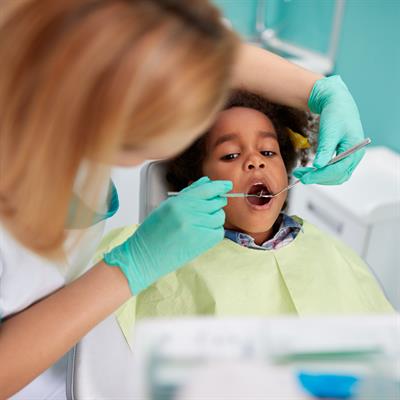
Dental caries in children is a prevalent public health issue that involves not only biological but also behavioral factors. The most common approaches focus on traditional restorative treatments, which pose challenges due to the invasiveness, may have psychological impacts and can not be considered a complete treatment for the disease. Recent developments in non-invasive and micro-invasive strategies, such as the use of fluorides, pit and fissure sealants, Hall Technique and non-restorative treatments present less distressing alternatives that, associated with diet and hygiene counseling, are cost-effective and aim to preserve dental tissues while enhancing oral health outcomes. These emerging techniques have shown potential in managing and preventing dental caries among pediatric populations, indicating a shift towards more patient-friendly dental care.
This Research Topic aims to explore innovative non-invasive, micro-invasive techniques and mixed methods that address the pervasive challenge of pediatric dental caries. The goal is to reduce the reliance on traditional, more invasive treatments by promoting methods that diminish discomfort and the adverse psychosocial effects on children. Through the evaluation of recent advancements like SDF applications and other preventive measures, this research seeks to elucidate their efficacy and role in curbing caries incidence, ultimately fostering better integration into standard dental practices and enhancing oral health outcomes.
To gather further insights into non-invasive pediatric dental care, we welcome contributions that delve into:
- Efficacy and application methods of non-invasive treatments (like fluoride, bioactive pastes, silver diamine fluoride, diet and hygiene counselling among others)
- Long-term outcomes and benefits of micro-invasive techniques (pit and fissures sealants; resin infiltration)
- The use of mixed methods like Hall Technique and non-restorative techniques in pediatric dentistry
- Systematic reviews and clinical trials that assess the effectiveness of these methods
- The integration of non-invasive and micro-invasive techniques within healthcare systems
- Impact of these advancements on public health policies and practices
Studies that explore the adhesive properties of dental materials relevant to minimally invasive dental practices are also highly encouraged. This list is not exclusive; feel free to send in a proposed summary for the evaluation of the Topic Editors via our homepage.
This Research Topic accepts the following article types, unless otherwise specified in the Research Topic description:
Articles that are accepted for publication by our external editors following rigorous peer review incur a publishing fee charged to Authors, institutions, or funders.
Keywords: child dental care, non-invasive dentistry, pediatric dental caries, micro-invasive treatments, fluoride for kids, Hall Technique, dental sealants, oral health outcomes
Important note: All contributions to this Research Topic must be within the scope of the section and journal to which they are submitted, as defined in their mission statements. Frontiers reserves the right to guide an out-of-scope manuscript to a more suitable section or journal at any stage of peer review.

Manuscripts can be submitted to this Research Topic via the main journal or any other participating journal.
Submit your idea
Select the journal/section where you want your idea to be submitted: