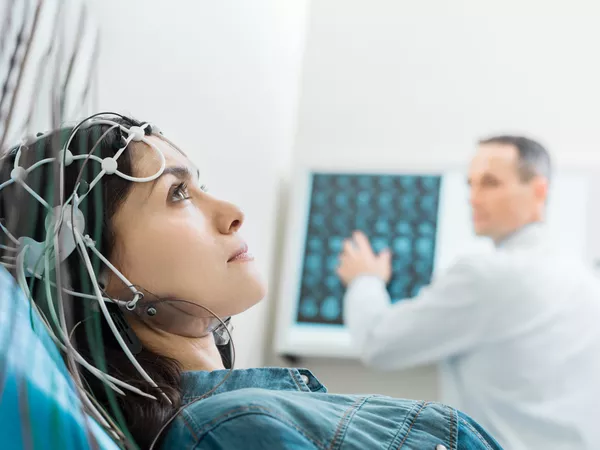
As the global population ages and the prevalence of chronic diseases continues to rise, traditional rehabilitation methods increasingly fall short in addressing the growing demand for personalized and complex treatment needs. Intelligent rehabilitation robots, which integrate artificial intelligence (AI), brain-computer interfaces (BCI), advanced sensing technologies, and human-computer interaction systems, offer transformative potential. Advancements in this field not only enhance rehabilitation efficiency and accelerate patient recovery but also alleviate the burden on healthcare systems by providing precise, adaptive treatment solutions—especially for patients in remote or resource-limited areas. Moreover, this research drives the deep convergence of medicine, engineering, and AI, paving the way for a new era of intelligent, automated rehabilitation medicine.
This study aims to develop intelligent rehabilitation robots designed to address the challenges of an aging population, incorporating advanced sensing, multimodal interaction, adaptive control, and innovative structural design. Focusing on neurorehabilitation, musculoskeletal rehabilitation, and sports injury recovery, this research seeks to offer novel solutions that enhance the robots' functionality, applicability, and user experience, making them more accessible and effective for elderly individuals and improving their quality of life.
1. Intelligent Sensing Systems Design
a) Multimodal Sensor Integration: Integrate EMG, BCI, force feedback, and flexible strain sensors for comprehensive real-time motion, force, and neural data acquisition. b) Data Fusion and Analysis: Implement deep learning algorithms for multisource data fusion, enabling real-time patient data analysis and personalized therapy.
2. Human-Robot Interaction Technologies
a) AR/VR Integration: Utilize AR/VR technologies to create immersive rehabilitation environments, offering dynamic and intuitive feedback. b) Speech and Tactile Feedback: Develop natural language processing and tactile feedback systems to ensure smooth, safe, and engaging interactions.
3. Adaptive Control Algorithms and Therapy Generation
a) BCI-based Intention Recognition: Use BCI technologies to capture motor intentions for real-time control system interaction. b) Personalized Rehabilitation Planning: Apply deep learning and reinforcement learning to dynamically adjust therapy based on patient progress. c) Force and Compliance Control: Design advanced compliance control algorithms for precise, comfortable robot movement.
4. Structural Innovation and System Integration
a) Lightweight Modular Design: Optimize the robot structure with modular designs for enhanced flexibility and maintainability. b) Flexible Actuators: Develop flexible joint actuators to replicate complex natural movements. c) Clinical Validation: Partner with healthcare institutions for systematic clinical testing, assessing practicality and patient satisfaction in rehabilitation.
Article types and fees
This Research Topic accepts the following article types, unless otherwise specified in the Research Topic description:
Brief Research Report
Clinical Trial
Editorial
FAIR² Data
FAIR² DATA Direct Submission
General Commentary
Hypothesis and Theory
Methods
Mini Review
Articles that are accepted for publication by our external editors following rigorous peer review incur a publishing fee charged to Authors, institutions, or funders.
Article types
This Research Topic accepts the following article types, unless otherwise specified in the Research Topic description:
Important note: All contributions to this Research Topic must be within the scope of the section and journal to which they are submitted, as defined in their mission statements. Frontiers reserves the right to guide an out-of-scope manuscript to a more suitable section or journal at any stage of peer review.