GC
guillem cuatrecasas
Open University of Catalonia
Barcelona, Spain
400
Total views and downloads
Submit your idea
Select the journal/section where you want your idea to be submitted:
Manuscript Summary Submission Deadline 31 March 2026 | Manuscript Submission Deadline 31 July 2026
This Research Topic is currently accepting articles.
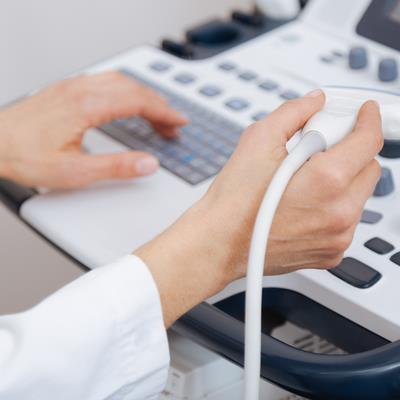
The expanding use of Ultrasound (US) in assessing body composition has significant implications for managing obesity and its related comorbidities. Traditionally, obesity and metabolic syndrome have been assessed using DEXA scans or BIA, which only provide limited information about different fat deposits (mainly subcutaneous vs visceral) and muscular mass. Recent studies have demonstrated US as a valuable tool to quantify various specific abdominal fat layers, such as preperitoneal, mesenteric, omental, and perirenal fat, with direct links to cardiovascular and metabolic risks in both adults and children. Emerging research is also showcasing epicardial fat as a cardiovascular risk marker, further emphasizing the clinical significance of US. Moreover, US offers potential advancements in defining sarcopenia, particularly in non-malnourished patients, by measuring muscle thickness and architecture.
This Research Topic aims to broaden the clinical use of US in evaluating body composition, beyond the simple quantification of fat and muscle mass. Despite the proven efficacy of US in assessing specific fat depots tied to cardiovascular and metabolic concerns, it remains underutilized. The existing gold standards—such as DEXA and BIA—fail to provide insights into the nuanced fat segregation and muscle architecture that US can offer. With the rise of innovative anti-obesity drugs boasting cardiovascular benefits, accurately targeting fat depots and redefining sarcopenic parameters in obese populations could enhance patient outcomes significantly.
Focusing on these advancements in US-based assessments, the scope of this Research Topic seeks to gather insights on global integrations of US methodologies in clinical practice, highlighting their potential as comprehensive diagnostic tools. We welcome articles addressing, but not limited to, the following themes:
- Novel ultrasound methodologies in obesity management
- Novel ultrasound methodologies in childhood obesity management
- Integration of body fat depots and muscle metrics with ultrasonography
- Role of ultrasonography in cardiovascular risk assessment
- Clinical significance of differentiating abdominal fat depots
- Clinical relevance of epicardial fat
- Redefining sarcopenia in the context of obesity
We welcome various article types, including but not limited to Original Research, Review, Mini-Review, or Methodological articles
This Research Topic accepts the following article types, unless otherwise specified in the Research Topic description:
Articles that are accepted for publication by our external editors following rigorous peer review incur a publishing fee charged to Authors, institutions, or funders.
Keywords: eco-obesity, ultrasound, obesity, metabolic syndrome, ectopic fat, epicardial fat, perirenal fat, omental fat, preperitoneal fat, sarcopenia, NASH, MAFLD, type 2 diabetes, body composition, visceral fat, cardiovascular risk
Important note: All contributions to this Research Topic must be within the scope of the section and journal to which they are submitted, as defined in their mission statements. Frontiers reserves the right to guide an out-of-scope manuscript to a more suitable section or journal at any stage of peer review.

Manuscripts can be submitted to this Research Topic via the main journal or any other participating journal.
Submit your idea
Select the journal/section where you want your idea to be submitted: