SB
simon b. cooper
Nottingham Trent University
Nottingham, United Kingdom
483
Total downloads
6,563
Total views and downloads
Submit your idea
Select the journal/section where you want your idea to be submitted:
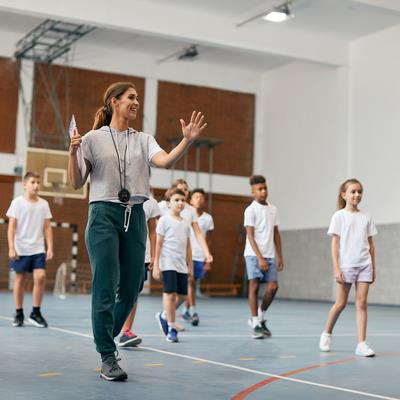
The study of cognitive enhancement through physical activity in young people has gained significant traction within the field of developmental psychology and kinesiology. Physical activity is increasingly recognized not just for its physical health benefits but also for its potential to enhance cognitive functions such as memory, attention, and executive functioning. Recent studies have highlighted that both acute and sustained physical activity can lead to improvements in cognition among children and adolescents. However, despite these promising findings, there is an unmet need for research examining ecologically valid models of physical activity for young people. Furthermore, there is a dearth of comprehensive data regarding the specific mechanisms through which physical activity influences cognitive functions, particularly across different subgroups of young populations such as those with socioeconomic challenges or neurodiversity.
This Research Topic aims to delve into the multidimensional impacts of physical activity on cognition among young people. The objective is to investigate both the short-term and long-term effects of physical activity interventions, particularly in school settings, on cognitive functions. This includes examining connections between physical fitness and cognition among a broad spectrum of young people. Additionally, there is a specific interest in understanding how these interventions could improve learning outcomes and educational achievements, alongside identifying the underlying biological and psychosocial mechanisms at play.
This research topic spans a broad scope, including acute physical activity effects and long-term fitness improvements on cognition across various demographics. We welcome articles addressing, but not limited to, the following themes:
- Acute effects of single bouts of physical activity on cognition in youth
- Long-term impacts of physical activity (and changes in physical fitness) on cognitive and educational outcomes
- Development and assessment of school-based physical activity interventions
- Investigations into the cognitive benefits of physical activity among disadvantaged youth (for example, but not limited to, disadvantages related to neurodiversity and socioeconomic status)
- Mechanistic studies exploring biological and psychosocial pathways connecting physical activity and cognitive function.
We also invite varied article types such as original research, review articles, case studies, and mechanistic studies related to the theme.
This Research Topic accepts the following article types, unless otherwise specified in the Research Topic description:
Articles that are accepted for publication by our external editors following rigorous peer review incur a publishing fee charged to Authors, institutions, or funders.
Keywords: Physical activity, school-aged children, physical fitness, long-term benefits
Important note: All contributions to this Research Topic must be within the scope of the section and journal to which they are submitted, as defined in their mission statements. Frontiers reserves the right to guide an out-of-scope manuscript to a more suitable section or journal at any stage of peer review.

Manuscripts can be submitted to this Research Topic via the main journal or any other participating journal.
Submit your idea
Select the journal/section where you want your idea to be submitted: