MP
marcella pecora milazzotto
Federal University of ABC
Santo André, Brazil
417
Total downloads
6,917
Total views and downloads
Submit your idea
You will be redirected to our submission process.
The early embryo must orchestrate a series of well-coordinated processes from the very first stages of development to ensure the formation of totipotent blastomeres, which will later give rise to pluripotent cells and establish the initial embryonic lineages. These processes involve intricate morphophysiological, metabolic, and molecular mechanisms that govern pronuclear formation, embryonic genome activation, cellular differentiation, morula compaction, and blastocoel formation. Each of these developmental milestones occurs within a dynamic microenvironment, influencing and being influenced by key aspects of embryonic metabolism.
As research advances in understanding how embryos respond to environmental cues, the primary challenge lies in deciphering the intricate interplay that enables embryos to regulate molecular functions through metabolic pathways. The idea that metabolism is deeply integrated into the regulation of transcription and epigenetics is reinforced by the ability of cells to adjust their metabolic and molecular states in response to external conditions and nutrient availability. Furthermore, metabolism plays a fundamental role in supporting cellular processes, energy production, and developmental progression. In this context, embryonic metabolism is not only critical for embryo health and viability but also orchestrates processes that may influence key future events such as implantation, fetal development, and offspring health.
Metabolism is a fundamental regulator of early development, influencing cell fate, energy production, molecular control, and epigenetic modifications. With this in mind, the primary goal of this research topic is to highlight the central role of metabolism in embryo development. Researchers can explore how metabolic pathways shape embryonic growth and cell differentiation, among other cellular events, as well as investigate metabolic markers of viability.
The integration of metabolism with molecular mechanisms such as epigenetic reprogramming, gene expression regulation, and adaptation to physiological and stressful conditions, is also of particular interest. Researchers may also explore the link between maternal metabolic health, microenvironment, and oocyte/embryo metabolism and how it may shape epigenetic programming through altered metabolism. By addressing these aspects, this research topic aims to provide insights into optimizing embryo production systems and outline future directions for studying metabolic regulation in assisted reproductive technologies.
Areas to be covered might include but are not limited to:
1. Energy Production for Overall Cellular and Molecular Processes
2. Metabolic Substrates and Nutrient Utilization
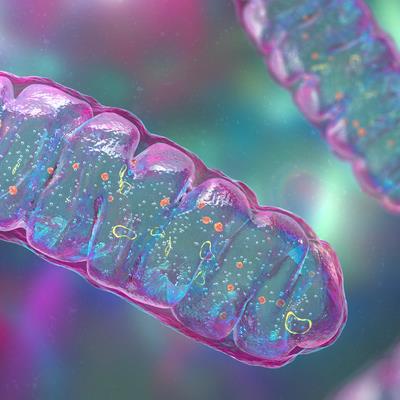
3. Mitochondrial Metabolism and Molecular Functions
4. Redox Balance and Reactive Oxygen Species Regulation
5. Metabolic Pathways and Molecular Control/Epigenetic Regulation
6. Metabolism/Metabolic Markers and Developmental Competency
7. New Methods for Embryo Metabolism Studies
8. Adaptation to the Oviduct/Uterine Environment
Topic editor Marcella Pecora Milazzotto currently holds two patents not related to the Journal's field. All other Topic Editors declare no competing interests with regards to the Research Topic subject.
This Research Topic accepts the following article types, unless otherwise specified in the Research Topic description:
Articles that are accepted for publication by our external editors following rigorous peer review incur a publishing fee charged to Authors, institutions, or funders.
Keywords: embryo metabolism, early embryonic development, metabolic pathways, embryo mitochondrial function, epigenetic regulation in development, metabolic markers of viability, embryo energy production, assisted reproductive technologies
Important note: All contributions to this Research Topic must be within the scope of the section and journal to which they are submitted, as defined in their mission statements. Frontiers reserves the right to guide an out-of-scope manuscript to a more suitable section or journal at any stage of peer review.
Manuscripts can be submitted to this Research Topic via the main journal or any other participating journal.
Submit your idea
You will be redirected to our submission process.
