SK
sepiso kenias masenga
Mulungushi University
Kabwe, Zambia
1,460
Total views and downloads
Submit your idea
Select the journal/section where you want your idea to be submitted:
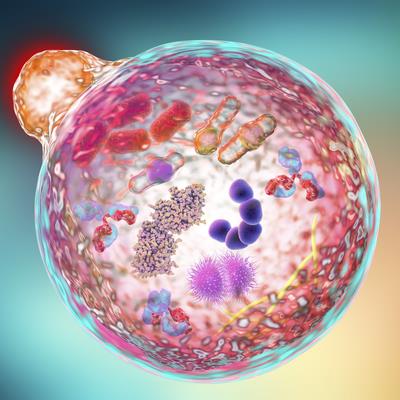
Metabolic diseases such as obesity and diabetes are increasingly associated with the intricate dynamics of organelles, including mitochondria, endoplasmic reticulum (ER), and lysosomes. These organelles are not only responsible for maintaining cellular homeostasis but also play a crucial role in responding to stress signals related to nutrient overload, oxidative stress, and inflammation. Traditionally approached as independent entities, recent research unveils the importance of inter-organelle communication networks, revealing how spatial organization defects contribute to metabolic dysfunction. Advanced methodologies like super-resolution microscopy, AI-driven organelle mapping, and single-cell metabolomics have transformed our understanding of how organelle positioning and functioning govern systemic metabolism. This shift in focus underscores the roles of these organelles as architectural hubs, necessitating further investigation to uncover new therapeutic targets that can realign these systems towards metabolic equilibrium.
This Research Topic aims to elucidate the connections between organelle dynamics and metabolic diseases, addressing questions related to how stress-induced remodeling of mitochondrial, ER, and lysosomal structures generates systemic dysfunctions. By exploring previously overlooked connections and dependencies between these organelle networks, the goal is to identify how their disorganization leads to conditions such as insulin resistance and lipid toxicity. Through leveraging cutting-edge techniques, the research seeks to pinpoint the consequential effects of spatial dysregulation and explore the potential for intervention at the organelle level, aiming at restoring homeostasis and promoting organelle resilience.
To gather further insights into organelle network dynamics contributing to metabolic disease, we seek contributions addressing, but not limited to, the following themes:
- Inter-organelle communication networks and disruptions due to stressors like nutrient overload
- Impact of spatial reorganization of organelles on metabolic homeostasis
- Development of interdisciplinary methodologies to observe organelle dynamics
- Identification of therapeutic strategies aiming to bolster organelle resilience
- Explorations into how organelle ecosystems can serve as precision therapeutic targets
Submissions may include Original Research, Reviews, Methods, and Perspectives, particularly those integrating organelle biology with broader systems metabolism. Research employing patient-derived models, advanced computational analyses, or novel biomarkers is strongly encouraged. This Topic strives to redefine the understanding of metabolic disease pathogenesis and inspire novel therapies based on restoring organelle-network homeostasis.
This Research Topic accepts the following article types, unless otherwise specified in the Research Topic description:
Articles that are accepted for publication by our external editors following rigorous peer review incur a publishing fee charged to Authors, institutions, or funders.
Keywords: Metabolic diseases, obesity, diabetes, dynamics, organelles, mitochondria, endoplasmic reticulum (ER), lysosomes.
Important note: All contributions to this Research Topic must be within the scope of the section and journal to which they are submitted, as defined in their mission statements. Frontiers reserves the right to guide an out-of-scope manuscript to a more suitable section or journal at any stage of peer review.

Manuscripts can be submitted to this Research Topic via the main journal or any other participating journal.
Submit your idea
Select the journal/section where you want your idea to be submitted: