MG
maddy giles
The James Hutton Institute
Dundee, United Kingdom
1,099
Total views and downloads
Submit your idea
Select the journal/section where you want your idea to be submitted:
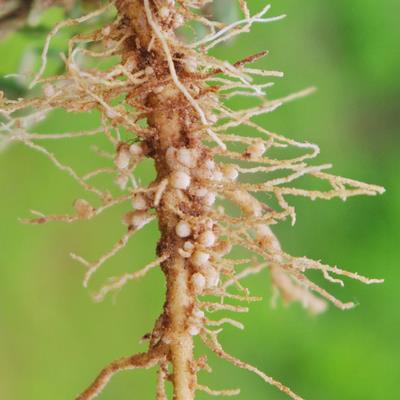
The rhizosphere defines the interface between plants and soil, one of the most highly active and ever-changing environments on earth. While the rhizosphere may be small in size, its potential for addressing global challenges is large. Harnessing rhizosphere interactions has the potential to impact the soil physical, chemical and biological environment influencing everything from the production and sequestration of greenhouse gasses to global food security. The science and management of the rhizosphere is constantly evolving as we unlock intricacies among plants, microbes and the environment. This Research Topic seeks to highlight the recent advances and future directions of rhizosphere research as presented at the Rhizosphere 6 international conference.
This Research Topic will showcase the outcomes of the Rhizosphere 6 international conference. Highlighting advances in our understanding of how plant roots interact with the soil physical, chemical and biological environment under a changing climate and how these can be harnessed to address the global challenges of climate change, biodiversity loss, and agricultural and environmental sustainability.
This Research Topic is interested in research articles based on posters and presentations from the Rhizosphere 6 conference covering the themes of the conference found at Rhizosphere 6 - Rooting for Earth.
This Research Topic accepts the following article types, unless otherwise specified in the Research Topic description:
Articles that are accepted for publication by our external editors following rigorous peer review incur a publishing fee charged to Authors, institutions, or funders.
Keywords: rhizosphere, Soil, plant-soil interactions, microbiome
Important note: All contributions to this Research Topic must be within the scope of the section and journal to which they are submitted, as defined in their mission statements. Frontiers reserves the right to guide an out-of-scope manuscript to a more suitable section or journal at any stage of peer review.

Manuscripts can be submitted to this Research Topic via the main journal or any other participating journal.
Submit your idea
Select the journal/section where you want your idea to be submitted: