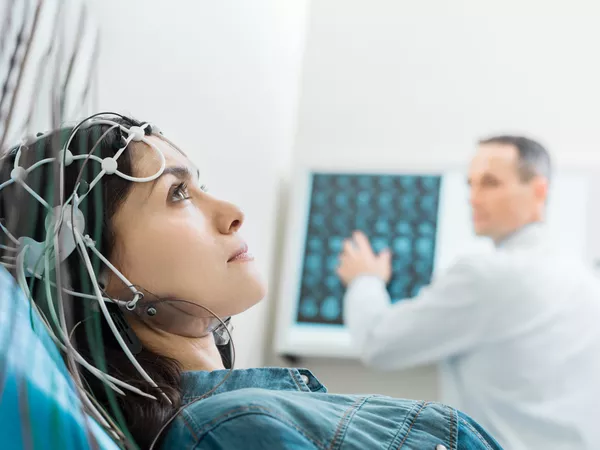
Movement disorders, including Parkinson’s disease, dystonia, tremors, tics, chorea, and other forms of motor system dysfunction, affect millions of people worldwide and present significant challenges for effective treatment. These conditions often exhibit overlapping symptoms, heterogeneous clinical manifestations, and variable progression patterns, complicating timely diagnosis and prognosis, and limiting opportunities for early intervention and personalized care. With the increasing availability of multimodal datasets during long-term clinical management of movement disorders, including neuroimaging, electrophysiological signals, digital biomarkers, wearable sensor data and clinical records, disease characterization has been substantially enhanced, deepening the understanding of these disorders. Nevertheless, clinical diagnosis and prognosis still rely largely on subjective assessments and expert interpretation. This underscores the urgent need for objective, automated, data-driven diagnostic and prognostic models that enable early detection, accurate diagnosis, and individualized prediction of disease progression in clinical practice.
Recent advances in artificial intelligence (AI), particularly deep learning and transfer learning, have shown great promise in multimodal clinical data analysis and mining. Moreover, the emergence of large language models (LLMs) and other foundation models has further expanded the role of AI in clinical decision support, patient stratification, and prognostic modeling. These technologies create new opportunities for the early diagnosis and personalized prognosis of complex movement disorders, addressing longstanding challenges related to symptom heterogeneity, diagnostic delays, and variable disease trajectories.
This Research Topic aims to explore how AI-driven approaches can ensure the precision, efficiency, and personalization of diagnostic and prognostic workflows in clinical management of movement disorders. We seek contributions that promote interdisciplinary collaboration across neurology, biomedical engineering, and AI, with the goal of developing intelligent systems that support clinical decision-making, enable earlier interventions, and provide novel mechanistic insights into the pathophysiology and progression of movement disorders.
To advance the cutting-edge application of AI technologies in the diagnosis and prognosis of movement disorders, we welcome submissions focusing on, but not limited to, the following themes:
• Mechanisms of disease progression and pathophysiology in movement disorders • Clinical treatment strategies, therapeutic outcomes, and comparative studies in movement disorders • AI-driven early diagnosis and disease subtyping methods for movement disorders (e.g., Parkinson’s disease, dystonia, tremor, tics, chorea, tics) • AI-driven prognostic modeling and prediction of movement disorder trajectories and treatment responses • Large language models (LLMs) for clinical decision support and prognostic prediction in movement disorders • Open-source tools, datasets, and benchmarks for reproducible AI-driven diagnosis and prognosis research of movement diseases
Article types and fees
This Research Topic accepts the following article types, unless otherwise specified in the Research Topic description:
Brief Research Report
Clinical Trial
Editorial
FAIR² Data
FAIR² DATA Direct Submission
General Commentary
Methods
Mini Review
Opinion
Articles that are accepted for publication by our external editors following rigorous peer review incur a publishing fee charged to Authors, institutions, or funders.
Article types
This Research Topic accepts the following article types, unless otherwise specified in the Research Topic description:
Brief Research Report
Clinical Trial
Editorial
FAIR² Data
FAIR² DATA Direct Submission
General Commentary
Methods
Mini Review
Opinion
Original Research
Perspective
Review
Study Protocol
Systematic Review
Keywords: movement disorders, artificial intelligence, deep learning, large language models, early diagnosis, prognostic modeling
Important note: All contributions to this Research Topic must be within the scope of the section and journal to which they are submitted, as defined in their mission statements. Frontiers reserves the right to guide an out-of-scope manuscript to a more suitable section or journal at any stage of peer review.