ZY
zhiqian yu
Tohoku University
Sendai, Japan
1,019
Total views and downloads
Submit your idea
You will be redirected to our submission process.
Manuscript Submission Deadline 11 April 2026
This Research Topic is currently accepting articles.
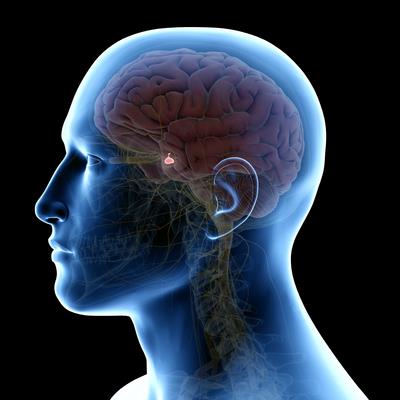
Oxytocin has been the subject of much research that has greatly expanded our understanding of its role in integrating brain-body interactions. Recent evidence identifies oxytocin as a critical modulator within the gut-brain-endocrine axis, regulating neuroendocrine and neuroimmune signaling pathways in both bottom-up (gut-to-brain) and top-down (brain-to-gut) directions.
While oxytocin concentrations in the central brain are approximately three orders of magnitude higher than peripheral blood concentration, oxytocin receptors are widely distributed across many peripheral tissues. Indeed, recent studies have pointed to associations between oxytocin and gut microbiota-derived metabolites, vagal afferent signaling and hypothalamic-pituitary-adrenal (HPA) axis activity, positioning oxytocin as a key modulator of metabolic and endocrine signals.
Oxytocin also regulates central neurocognitive functions. For example, oxytocin has been shown to modulate effects of serotonin pathways in the brain. It excites serotonin neurons in the dorsal raphe, while also influencing vagal afferents and serotonin neurons in the brainstem; together, these systems affect mood regulation, gut motility, and stress responsiveness. Additionally, oxytocin-dopamine interactions in the ventral tegmental area (VTA) and nucleus accumbens (NAc) are linked to motivation, reward signaling, and metabolic adaptation.
Beyond this, oxytocin enhances GABAergic inhibition in the amygdala and hypothalamus, contributing to stress resilience and neuroendocrine homeostasis. Its interaction with glutamatergic circuits promotes neuroplasticity and cognitive flexibility. Oxytocin also regulates norepinephrine activity, affecting sympathetic-parasympathetic balance.
Collectively, these modulatory effects underscore oxytocin’s significant role in appetite and feeding, gastrointestinal motility, and gut microbiota composition. Its broad-reaching influence on cognition, mood, and stress resilience highlights its critical importance in behavioral endocrinology.
These observations have demonstrated that oxytocin plays important roles in coordinating neuroendocrine function, maintaining homeostasis, and supporting plasticity in the central nervous system.
However, significant knowledge gaps remain, particularly in understanding the molecular and cellular mechanisms that enable oxytocin to regulate endocrine and immune signaling between the brain and peripheral organs.
Additionally, its precise influence on gut microbiota composition and its role in integrative metabolic homeostasis require further investigation.
This Research Topic aims to bring together cutting-edge research exploring oxytocin’s role as an integrative regulator of neuroendocrine function and behavior. Contributions will deepen our mechanistic understanding, explore translational applications, and suggest novel therapeutic avenues.
This Research Topic accepts the following article types, unless otherwise specified in the Research Topic description:
Articles that are accepted for publication by our external editors following rigorous peer review incur a publishing fee charged to Authors, institutions, or funders.
Keywords: gut-brain-axis, neuroendocrine, plasticity, translational, psychiatric conditions, behavior, neurological disorder
Important note: All contributions to this Research Topic must be within the scope of the section and journal to which they are submitted, as defined in their mission statements. Frontiers reserves the right to guide an out-of-scope manuscript to a more suitable section or journal at any stage of peer review.
Manuscripts can be submitted to this Research Topic via the main journal or any other participating journal.
Submit your idea
You will be redirected to our submission process.
