DM
daniel murariu
University of Hawaii
Honolulu, United States
581
Total views and downloads
Submit your idea
You will be redirected to our submission process.
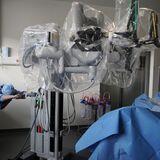
Plastic and reconstructive surgery is experiencing a transformative advancement due to the integration of robotic technology. While robotics has demonstrated its value in improving precision, reducing operative strain, and improving patient outcomes across various surgical disciplines, its specific application in plastic and reconstructive surgery remains relatively underdeveloped.
Existing robotic interventions in areas such as microsurgery, breast reconstruction, body contouring, craniofacial reconstruction, and flap harvesting have begun to illustrate promising preliminary outcomes. However, the broader integration remains hindered by significant gaps in evidence-based guidelines, cost-effectiveness analyses, standardized training programs, clarity regarding training curricula, and comprehensive long-term patient outcome data.
This Research Topic aims to evaluate and advance the evidence surrounding robotic technologies in plastic and reconstructive surgery. It will explore specific questions related to how robotic surgeries compare in outcomes and effectiveness to conventional surgical techniques, identify how robotics can be safely and effectively integrated into clinical practices, and articulate standardized approaches for training and competency assessments. Further objectives include examining the ethical considerations and patient safety outcomes associated with these novel technology-driven interventions.
We welcome articles addressing, but not limited to, the following themes:
• Robotic-assisted microsurgical procedures and precise flap harvesting techniques.
• Innovations and emerging robotic technologies tailored for reconstructive surgery.
• Robotic applications and advancements in craniofacial surgery and maxillofacial reconstruction.
• Comparative evaluations and clinical outcome analyses of robotic versus traditional surgical techniques.
• Cost-effectiveness and economic assessments of robotic-assisted procedures in plastic surgery.
• Development and evaluation of training curricula, standardization, and competency acquisition for robotic plastic surgery practices.
• Ethical frameworks, regulatory standards, and patient safety considerations surrounding robotic integration in plastic and reconstructive surgery.
Dr. Daniel Murariu works as a consultant for MTF Biologics. The other Topic Editors and Coordinators declare no conflict of interest.
This Research Topic accepts the following article types, unless otherwise specified in the Research Topic description:
Articles that are accepted for publication by our external editors following rigorous peer review incur a publishing fee charged to Authors, institutions, or funders.
Keywords: Robotic Surgery, Plastic Surgery, Reconstructive Surgery, Microsurgery, Surgical Innovation, Robotics, Patients Outcome
Important note: All contributions to this Research Topic must be within the scope of the section and journal to which they are submitted, as defined in their mission statements. Frontiers reserves the right to guide an out-of-scope manuscript to a more suitable section or journal at any stage of peer review.
Manuscripts can be submitted to this Research Topic via the main journal or any other participating journal.
Submit your idea
You will be redirected to our submission process.
