GK
grzegorz k. jakubiak
Department of Pharmacology, Faculty of Medical Sciences in Zabrze, Medical University of Silesia
Zabrze, Poland
166
Total downloads
3,063
Total views and downloads
Submit your idea
You will be redirected to our submission process.
Manuscript Submission Deadline 19 March 2026
This Research Topic is currently accepting articles.
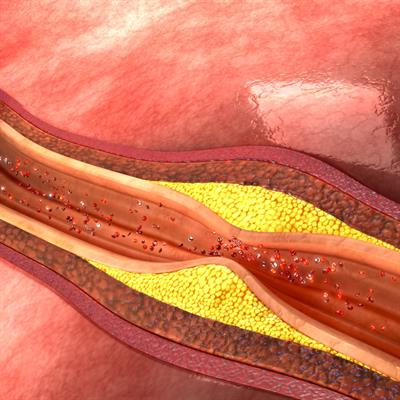
Cardiovascular diseases (CVDs) stand among the foremost public health challenges today, with atherosclerosis serving as a pivotal process contributing to the development of CVDs in adults. The clinical manifestations of atherosclerotic CVD encompass conditions such as coronary heart disease (CHD), cerebrovascular disease, and peripheral arterial disease (PAD), often encountered as lower extremity artery disease (LEAD).
Preventing atherosclerotic cardiovascular disease (CVD) is vital from a public health perspective. This requires promoting healthy lifestyle choices, encouraging early diagnosis, and effectively managing cardiovascular risk factors that can be modified, such as diabetes, hypertension, and dyslipidemia.
A key strategy is to improve methods for identifying patients who show signs of subclinical cardiovascular dysfunction, particularly those who are asymptomatic. Important tools for assessing subclinical cardiovascular dysfunction include: the assessment of endothelial function (primarily using the flow-mediated dilation method), the assessment of vascular stiffness (primarily using pulse wave velocity measurement), the assessment of subclinical atherosclerosis (measurement of the intima-media thickness in various vascular beds), the measurement of the ankle-brachial index and the toe-brachial index, as well as selected echocardiographic parameters.
Research aimed at enhancing our understanding of the effectiveness of these tools in diverse clinical situations is essential. Additionally, it is crucial to establish guidelines for integrating these diagnostic tools into routine clinical practice, as this could lead to more targeted preventive interventions.
We inform scientists from around the world to share their research findings that can aid in developing methods for the prevention and early detection of atherosclerotic cardiovascular diseases (CVDs). This Research Topic aims to consolidate insights that connect research advancements with clinical applications, ultimately improving the management of atherosclerotic CVDs.
This Research Topic accepts the following article types, unless otherwise specified in the Research Topic description:
Articles that are accepted for publication by our external editors following rigorous peer review incur a publishing fee charged to Authors, institutions, or funders.
Keywords: risk factors, hypertension, diabetes, dyslipidemia, endothelial dysfunction, arterial stiffness, atherosclerosis, coronary artery disease, cerebrovascular disease, peripheral arterial disease, pharmacotherapy, angioplasty, stenting, restenosis
Important note: All contributions to this Research Topic must be within the scope of the section and journal to which they are submitted, as defined in their mission statements. Frontiers reserves the right to guide an out-of-scope manuscript to a more suitable section or journal at any stage of peer review.
Department of Pharmacology, Faculty of Medical Sciences in Zabrze, Medical University of Silesia
Zabrze, Poland
Agostino Gemelli University Polyclinic (IRCCS)
Rome, Italy
Medical University of Silesia
Katowice, Poland
Wroclaw Medical Universiy, Faculty of Nursing and Midwifery
Wroclaw, Poland
Medical University of Silesia
Katowice, Poland
Manuscripts can be submitted to this Research Topic via the main journal or any other participating journal.
Submit your idea
You will be redirected to our submission process.
