Circadian rhythms, the roughly 24-hour cycles fundamental to life, govern sleep-wake patterns and numerous physiological processes in a wide array of species, from bacteria to mammals. These rhythms are largely influenced by light and dark cycles, acting as crucial adaptive mechanisms that optimize bodily functions. While core molecular mechanisms, such as the clock genes, are conserved across species, there remains a remarkable diversity in sleep-wake patterns and environmental adaptations, with some species being diurnal (day-active) and others nocturnal (night-active). From the humble Drosophila, which has significantly contributed to our understanding of the molecular clock and these daily patterns, to human clinical work shaped by external cues like light, and in between, the nocturnal mouse is used ubiquitously across neuroscience. Despite technical advances and the myriad of model organisms used, the complexities of how internal circadian rhythms interact within and between these nocturnal and diurnal models and what this means for evolution and our understanding of disease pathology remain unclear.
Understanding diurnal and nocturnal behaviors in animals offers insights into ecological dynamics and how species adapt their daily routines in response to environmental changes. The integration of AI and long-term monitoring technologies is transforming our ability to collect and analyze behavioral data across species, promising unprecedented insights into these biological rhythms over long periods of time and across modalities. Identification of nascent similarities and differences of these species at a healthy baseline can help us tailor treatments for sleep disruption and other circadian disorders.
This Topic seeks to explore several facets, including:
- Evolutionary Insights: Investigating how circadian rhythms and sleep co-evolved with organisms' behavioral niches and ecological demands.
- Genetic and Molecular Dynamics: Understanding species-specific genetic and molecular mechanisms influencing circadian and sleep patterns.
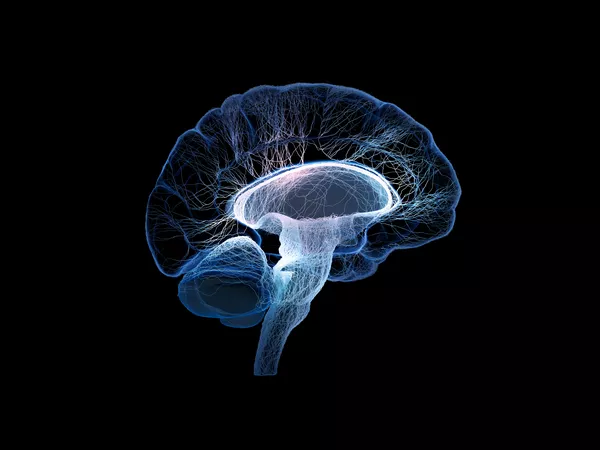
- Brain-state Changes: Exploring associations between circadian rhythms, sleep disturbances, and changes in brain structure and function.
- Interventions: Evaluating interventions addressing circadian disruptions to enhance sleep quality and their outcomes in treating sleep disorders.
Studies on sleep disorders, both experimental and clinical, aiming to inspire further research from clinicians and scientists on this pivotal subject are greatly encouraged. We particularly welcome submissions studying all types of model or non-model organisms.
We welcome a variety of research article types, such as the following article types:
Brief Research Report, Clinical Trial, Data Report, Hypothesis and Theory, Methods, Mini Review, Opinion, Original Research, Perspective, Review, Technology, and Code
Article types and fees
This Research Topic accepts the following article types, unless otherwise specified in the Research Topic description:
Brief Research Report
Case Report
Clinical Trial
Community Case Study
Curriculum, Instruction, and Pedagogy
Data Report
Editorial
FAIR² Data
FAIR² DATA Direct Submission
Articles that are accepted for publication by our external editors following rigorous peer review incur a publishing fee charged to Authors, institutions, or funders.
Article types
This Research Topic accepts the following article types, unless otherwise specified in the Research Topic description:
Important note: All contributions to this Research Topic must be within the scope of the section and journal to which they are submitted, as defined in their mission statements. Frontiers reserves the right to guide an out-of-scope manuscript to a more suitable section or journal at any stage of peer review.