AS
arijita sarkar
Keck School of Medicine, University of Southern California
Los Angeles, United States
183
Total downloads
4,372
Total views and downloads
Submit your idea
You will be redirected to our submission process.
Manuscript Submission Deadline 24 February 2026
This Research Topic is currently accepting articles.
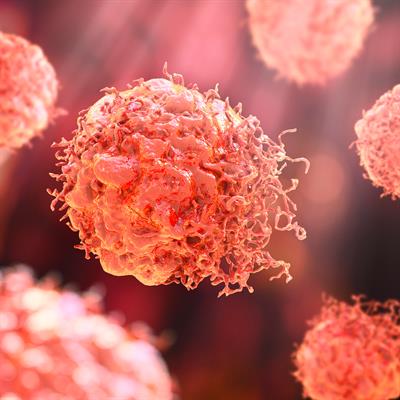
Cancer is fundamentally a disease of disrupted cell development and differentiation. Under normal conditions, cells progress through tightly regulated programs that govern growth, specialization, and tissue organization. In cancer, these processes are hijacked, leading to uncontrolled proliferation, evasion of cell death, and the acquisition of traits that drive invasion and metastasis. Understanding the molecular events that derail normal cell development is critical for improving cancer diagnosis and prognosis.
Multi-omics integration provides a powerful lens through which to study these disruptions at multiple biological levels. Genomic analyses identify mutations and chromosomal changes that alter key developmental genes or pathways. Transcriptomic profiling reveals abnormal patterns of gene expression, offering insights into how cancer cells diverge from normal developmental programs. Epigenomic studies highlight how DNA methylation and histone modifications silence tumor suppressor genes or activate oncogenes involved in cell fate decisions. Proteomics captures changes in protein levels and modifications that directly affect signaling pathways essential for cell growth and differentiation. Metabolomics uncovers shifts in cellular metabolism that sustain aberrant developmental states in tumors.
Bringing together these diverse molecular layers allows researchers to identify biomarkers that reflect not only the presence of cancer but also the degree to which normal cell developmental pathways have been subverted. Such biomarkers can classify cancers into subtypes based on their developmental origins, predict disease progression, and guide treatment choices tailored to the specific molecular characteristics of a tumor.
This Research Topic seeks to explore how multi-omics integration can illuminate the disruptions in cell development that underlie cancer and how these insights translate into meaningful diagnostic and prognostic biomarkers.
Key areas of interest include:
• Mutations affecting cell differentiation pathways in cancer
• Epigenetic alterations disrupting developmental gene regulation
• Gene expression signatures linked to developmental cell states
• Protein markers revealing aberrant signaling in tumor cells
• Metabolic rewiring connected to altered cell development
• Pathway interactions across omics layers affecting cell fate
• Validation of multi-omics biomarkers reflecting developmental origins of tumors
This Research Topic accepts the following article types, unless otherwise specified in the Research Topic description:
Articles that are accepted for publication by our external editors following rigorous peer review incur a publishing fee charged to Authors, institutions, or funders.
Keywords: Multiomics, cancer, biomarkers, Tumor
Important note: All contributions to this Research Topic must be within the scope of the section and journal to which they are submitted, as defined in their mission statements. Frontiers reserves the right to guide an out-of-scope manuscript to a more suitable section or journal at any stage of peer review.
Manuscripts can be submitted to this Research Topic via the main journal or any other participating journal.
Submit your idea
You will be redirected to our submission process.
