VC
vincenzo cavalieri
University of Palermo
Palermo, Italy
57
Total downloads
2,036
Total views and downloads
Submit your idea
You will be redirected to our submission process.
Manuscript Submission Deadline 28 March 2026
This Research Topic is currently accepting articles.
A key area of focus in the field of epigenetics pertains the comprehension of the functional relevance of the epigenetic mechanisms occurring during embryogenesis to shape normal developmental trajectories and adult phenotypes. Strictly connected with this facet is the work investigating how environmental cues can trigger reversible remodeling of embryonic epigenetic configurations and phenotype alterations that can be inherited over multiple generations.
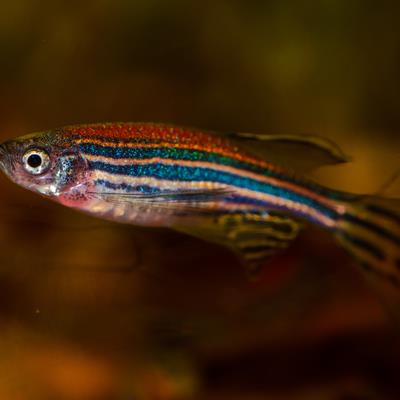
Several lines of evidence have highlighted that the small freshwater cyprinid Danio rerio, commonly known as zebrafish, is an excellent vertebrate model for research purposes in the field of epigenetics. The general strengths of zebrafish over concurrent models are well known: ease of husbandry and maintenance in laboratory, high fecundity, external fertilization, short life cycle, and generation time. Beyond these general advantages, the increasing popularity of zebrafish for epigenetic research is due to two main reasons.
First, components of the epigenetic machinery have been widely characterized in zebrafish, showing overall conservation with mammals. No less important, zebrafish embryos are optically translucent and relatively permeable to a wide range of compounds, allowing non-invasive live imaging of morphogenesis and phenotypic changes following exposure to environmental stressors that challenge the epigenome. Altogether, these benefits make zebrafish an outstanding model for large-scale screening of potential therapeutics targeting epigenetic regulatory mechanisms.
Following the great success of the Research Topic “Zebrafish Epigenetics” the launch of this second volume aims to further advance our understanding of the role of epigenetic mechanisms in biological processes occurring especially, but not exclusively, during zebrafish embryogenesis.
Authors are welcome to submit a wide range of article types falling under, but not limited to, the following topics:
- covalent modifications of DNA and histones;
- exchange of specialized histone variants into existing nucleosomes;
- nucleosome positioning and density;
- three-dimensional chromatin organization;
- noncoding RNAs and transcriptional regulatory networks;
-novel histone posttranslational modifications;
-epigenetic regulation of non-histone targets.
This Research Topic accepts the following article types, unless otherwise specified in the Research Topic description:
Articles that are accepted for publication by our external editors following rigorous peer review incur a publishing fee charged to Authors, institutions, or funders.
Keywords: zebrafish, epigenetics, chromatin, noncoding RNAs, nucleosome, histone
Important note: All contributions to this Research Topic must be within the scope of the section and journal to which they are submitted, as defined in their mission statements. Frontiers reserves the right to guide an out-of-scope manuscript to a more suitable section or journal at any stage of peer review.
Manuscripts can be submitted to this Research Topic via the main journal or any other participating journal.
Submit your idea
You will be redirected to our submission process.
