FF
fuqiang fan
Beijing Normal University, Zhuhai
Zhuhai, China
533
Total views and downloads
Submit your idea
You will be redirected to our submission process.
Manuscript Summary Submission Deadline 15 March 2026 | Manuscript Submission Deadline 21 December 2026
This Research Topic is currently accepting articles.
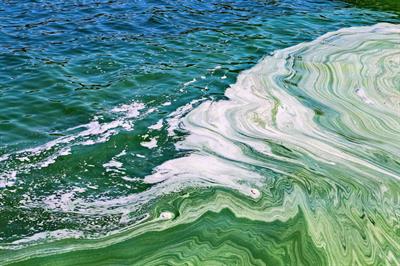
The marine industry is facing increasing pressures due to its rapid growth and the resulting impact on coastal ecosystems, leading to challenges such as eutrophication, red tides, heightened nitrogen and phosphorus pollution, and biofouling on marine structures. These issues threaten marine biodiversity, degrade water quality, and disrupt coastal economies, particularly affecting fisheries and aquaculture sectors. Furthermore, biofouling causes operational inefficiencies and raises maintenance costs, adding to the environmental and economic burdens. In this context, there is a growing global focus on developing green antifouling technologies, intelligent ecological monitoring, and pollution control strategies.
This Research Topic aims to tackle critical environmental challenges such as eutrophication, red tides, and nutrient pollution impacting coastal ecosystems, while addressing the operational and ecological issues caused by marine biofouling. Through interdisciplinary collaboration, the collection seeks to enhance intelligent monitoring technologies and strategic controls for early detection and management of harmful algal blooms. Moreover, it stresses the importance of creating sustainable antifouling materials and methods that reduce ecological impact and maintain industrial efficiency. A detailed exploration of carbon and nitrogen cycling, alongside understanding microbe-material interactions and biofouling mechanisms, will drive innovations in pollution control and antifouling technologies. Ultimately, this Research Topic aspires to integrate scientific and engineering solutions that balance environmental conservation with economic advancement to support a sustainable marine economy and resilient ecosystems.
This Research Topic invites original research articles, reviews, mini-reviews, perspectives, and methods papers on sustainable technologies and integrated systems for monitoring, managing, and mitigating coastal and marine pollution, nutrient cycling, biofouling, and ecological protection to support healthy ecosystems and sustainable industrial growth. Specific themes include:
- Intelligent monitoring and key control technologies for eutrophication and red tide in coastal and nearshore areas
- Integration of technical system for ensuring ecological environment safety in estuaries and coastal waters
- Carbon and nitrogen cycling and ecological effects in coastal zones
- Control and reduction of nitrogen and phosphorus pollution in the ocean system
- Design and development of novel marine antifouling materials
- Mechanisms and regulation of marine biofouling formation
- Microbe-material interfacial interaction and regulation
- Advances and future directions in sustainable marine antifouling technologies
This Research Topic accepts the following article types, unless otherwise specified in the Research Topic description:
Articles that are accepted for publication by our external editors following rigorous peer review incur a publishing fee charged to Authors, institutions, or funders.
Keywords: Sustainable Blue Economy, Coastal Ecosystem Safety, Nitrogen and Phosphorus Pollution, Marine Antifouling Materials, Biofouling Mechanisms
Important note: All contributions to this Research Topic must be within the scope of the section and journal to which they are submitted, as defined in their mission statements. Frontiers reserves the right to guide an out-of-scope manuscript to a more suitable section or journal at any stage of peer review.
Manuscripts can be submitted to this Research Topic via the main journal or any other participating journal.
Submit your idea
You will be redirected to our submission process.
