CW
chee-yin wong
ALPS Global Holding Berhad
Kuala Lumpur, Malaysia
608
Total views and downloads
Submit your idea
You will be redirected to our submission process.
Manuscript Submission Deadline 23 April 2026
This Research Topic is currently accepting articles.
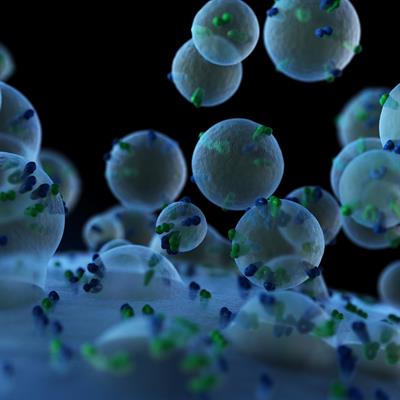
Extracellular vesicles (EVs), particularly exosomes, have emerged as critical mediators of intercellular communication and hold immense promise as next-generation therapeutics in regenerative medicine. Derived from diverse cell types, EVs encapsulate bioactive cargo—including proteins, lipids, and RNAs—that can modulate immune responses, stimulate tissue repair, and promote cellular homeostasis. Unlike traditional cell-based therapies, EVs provide a cell-free alternative with potential advantages in safety, storage, and scalability. Recent advances in EV isolation, characterization, and bioengineering have significantly expanded their translational potential. However, a comprehensive understanding of the molecular and cellular mechanisms that govern EV biology remains incomplete, limiting progress toward clinical translation.
This Research Topic aims to explore the mechanistic aspects of EV biogenesis, cargo selection, and trafficking routes, emphasizing how endosomal sorting complexes, Golgi-derived vesicles, and plasma membrane dynamics regulate EV formation and release. To advance the field, it is critical to integrate insights from fundamental biology with applied technologies such as scalable production, bioengineering, targeted delivery, and biomaterial integration.
We also invite exploration of intracellular membrane trafficking pathways, including the roles of the ESCRT machinery, Rab GTPases, tethering factors, and lipid remodeling. Contributions that push the frontier of EV-based therapies—from novel discoveries on how EVs influence tissue microenvironments to the development of smart delivery systems and regulatory strategies for clinical translation—are highly encouraged. By fostering interdisciplinary collaboration, this collection aims to help shape the next phase of regenerative medicine: safe, scalable, and precise EV therapeutics.
This Research Topic seeks to integrate mechanistic studies of extracellular vesicle biogenesis and trafficking with advances in regenerative medicine, highlighting how fundamental organelle dynamics shape therapeutic potential.
We welcome submissions in the following themes, but not limited to
• Mechanistic studies elucidating EV biogenesis, cargo selection, trafficking, and regeneration
• Innovations in EV isolation, characterization, and cargo profiling
• Engineering and biofunctionalization of EVs for targeted tissue repair
• Preclinical models evaluating EVs for wound healing, cartilage, cardiac, neural, or organ regeneration
• EV integration into biomaterials (e.g., hydrogels, scaffolds)
• GMP manufacturing, stability, and storage solutions for therapeutic EVs.
This Research Topic accepts the following article types, unless otherwise specified in the Research Topic description:
Articles that are accepted for publication by our external editors following rigorous peer review incur a publishing fee charged to Authors, institutions, or funders.
Keywords: Extracellular vesicles, exosomes, regenerative medicine, cell-free therapy, biomanufacturing, clinical translation, drug delivery, tissue repair, EV engineering
Important note: All contributions to this Research Topic must be within the scope of the section and journal to which they are submitted, as defined in their mission statements. Frontiers reserves the right to guide an out-of-scope manuscript to a more suitable section or journal at any stage of peer review.
ALPS Global Holding Berhad
Kuala Lumpur, Malaysia
University of Science Malaysia (USM)
Penang, Malaysia
University of Malaya
Kuala Lumpur, Malaysia
Albert Einstein Research and Education Institute, Hospital Israelita Albert Einstein
SAO PAULO, Brazil
Manuscripts can be submitted to this Research Topic via the main journal or any other participating journal.
Submit your idea
You will be redirected to our submission process.
