EC
esther caparrós
Miguel Hernández University of Elche
Elche, Spain
532
Total views and downloads
Submit your idea
You will be redirected to our submission process.
Manuscript Submission Deadline 7 March 2026
This Research Topic is currently accepting articles.
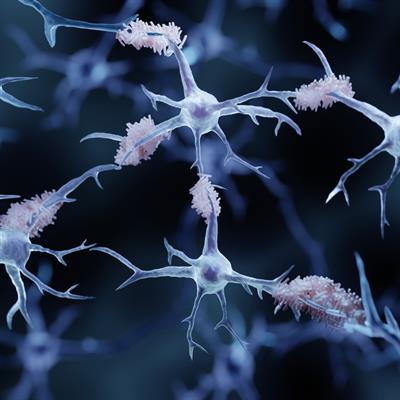
The human brain is a highly complex organ whose proper function depends on precise morphogenesis and spatial patterning during development. Morphogenetic processes and patterning cues orchestrate the establishment of neural circuits, guiding cell fate determination, migration, and connectivity. Disruptions in these tightly regulated events are increasingly recognized as key contributors to the onset of neuropsychiatric disorders, including autism spectrum disorders, schizophrenia, bipolar disorder, and major depression.
Recent advances have revealed that aberrant signaling pathways, altered morphogen gradients, and defective cellular patterning can profoundly influence brain structure and function. Despite these insights, the mechanistic links between morphogenesis, patterning, and psychiatric pathophysiology remain poorly understood, representing a critical gap in current research. Therefore, this Topic aims to highlight emerging studies that deepen our understanding of how morphogenetic and patterning mechanisms contribute to both healthy brain development and the pathogenesis of neuropsychiatric disorders.
We welcome work spanning molecular, cellular, and systems-level approaches, with special emphasis on animal models of neuropsychiatric diseases (particularly anxiety, depression, and cognitive impairments), biochemical and molecular biology investigations, and translational studies. Of particular interest are contributions exploring the role of the cannabinoid type 2 receptor (CB2) in shaping brain development and function, and its emerging relevance in neuropsychiatric conditions (such as anxiety, depression, and schizophrenia), neurodegenerative disorders (including Parkinson’s disease), and addictive behaviors.
This Research Topic will focus on (but is not limited to):
• Molecular signaling pathways regulating neural morphogenesis and patterning
• Disruptions in cortical layering, neuronal migration, and connectivity in psychiatric disorders
• Cellular and molecular mechanisms linking neurodevelopment to psychiatric vulnerability
• Animal models of anxiety, depression, schizophrenia, and cognitive impairments
• The role of receptors in neuropsychiatric, neurodegenerative, and addictive disorders
• Translational models and therapeutic perspectives targeting morphogenetic and patterning defects
This Research Topic accepts the following article types, unless otherwise specified in the Research Topic description:
Articles that are accepted for publication by our external editors following rigorous peer review incur a publishing fee charged to Authors, institutions, or funders.
Keywords: Morphogenesis, Neuropsychiatric disorder, Patterning mechanisms, Cannabinoid type 2 receptor (CB2), Neurodegeneration
Important note: All contributions to this Research Topic must be within the scope of the section and journal to which they are submitted, as defined in their mission statements. Frontiers reserves the right to guide an out-of-scope manuscript to a more suitable section or journal at any stage of peer review.
Manuscripts can be submitted to this Research Topic via the main journal or any other participating journal.
Submit your idea
You will be redirected to our submission process.
