RM
ryuichi morishita
Osaka University
Suita, Japan
868
Total views and downloads
Submit your idea
Select the journal/section where you want your idea to be submitted:
Manuscript Summary Submission Deadline 2 February 2026 | Manuscript Submission Deadline 29 May 2026
This Research Topic is currently accepting articles.
This Research Topic is part of a three-part series on aging and cardiovascular health; readers are invited to explore the other titles in the series:
Cardiovascular Interventions in the Elderly: Challenges and Innovations
Navigating multimorbidity and frailty in geriatric cardiovascular care
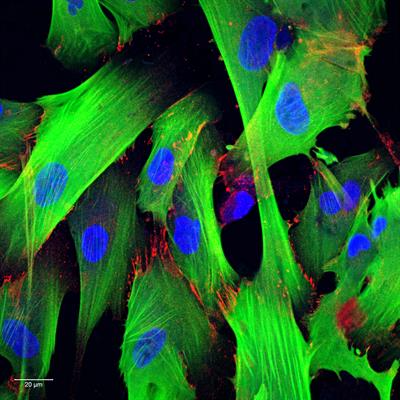
Cellular senescence significantly influences cardiovascular health, especially in aging populations. With age, the accumulation of senescent cells within cardiovascular tissues leads to chronic inflammation, disrupted tissue repair, and an overall decline in function. These pathological processes heighten the risk and severity of cardiovascular diseases (CVD) such as atherosclerosis, heart failure, hypertension, and vascular stiffness, presenting a major challenge in geriatric health. The connection between cellular senescence and cardiovascular deterioration demands further exploration to understand its full scope and impact.
This Research Topic aims to delve deeper into the contributions of cellular senescence to cardiovascular aging and disease in older adults. We intend to unravel the mechanistic pathways by which senescence accelerates cardiovascular decline, comprehend the systemic effects of the senescence-associated secretory phenotype (SASP), and identify biomarkers tailored to age-specific needs for the detection and tracking of senescence in cardiovascular tissues. The formation of innovative therapeutic strategies, particularly those that target senescent cells through senolytic and senomorphic interventions, is a key focus, with the ultimate goal of advancing cardiovascular health strategies for elderly populations.
To gather further insights into cellular senescence and cardiovascular health within aging populations, we welcome articles addressing, but not limited to, the following themes:
• Mechanistic insights on how cellular senescence influences cardiovascular aging and disease in older adults
• The systemic effects of the senescence-associated secretory phenotype (SASP) on the aging cardiovascular system
• Identification of age-specific biomarkers for detecting and tracking senescence in cardiovascular tissues
• Advances in senolytic and senomorphic interventions targeting aging-related CVD
• Application of AI-powered analytics for biomarker discovery and personalized interventions in aging cohorts
• Translational and clinical studies focusing on the impact of targeting senescent cells for cardiovascular rejuvenation
• The role of lifestyle, comorbidities, and genetic factors in influencing senescence and cardiovascular risk
We aim to gather interdisciplinary insights and highlight new paradigms that can lead to improved cardiovascular outcomes and healthier lifespans in aging societies. We particularly welcome original research, reviews, and perspectives within the scope of this Research Topic.
This Research Topic accepts the following article types, unless otherwise specified in the Research Topic description:
Articles that are accepted for publication by our external editors following rigorous peer review incur a publishing fee charged to Authors, institutions, or funders.
Keywords: Cellular senescence, Cardiovascular aging, Senescence-associated secretory phenotype (SASP), Senolytics, Biomarkers of aging, Cardiovascular disease (CVD), Geriatric care strategies
Important note: All contributions to this Research Topic must be within the scope of the section and journal to which they are submitted, as defined in their mission statements. Frontiers reserves the right to guide an out-of-scope manuscript to a more suitable section or journal at any stage of peer review.
Manuscripts can be submitted to this Research Topic via the main journal or any other participating journal.
Submit your idea
Select the journal/section where you want your idea to be submitted:
