NA
nima azari-dolatabad
The University of Tennessee, Knoxville
Knoxville, United States
272
Total views and downloads
Submit your idea
You will be redirected to our submission process.
Manuscript Summary Submission Deadline 16 March 2026 | Manuscript Submission Deadline 5 May 2026
This Research Topic is currently accepting articles.
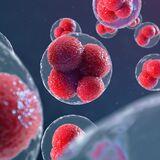
Extracellular vesicles (EVs) have emerged as powerful regulators of intercellular communication, playing key roles in conveying molecular cues during gametogenesis, fertilization, and early embryonic development. While their functions in vivo are increasingly recognized, the role of EVs in in vitro embryo production (IVEP) systems remains underexplored. In in vitro environments such as IVEP, embryos often face suboptimal conditions that can alter developmental trajectories and compromise cell fate decisions. EVs derived from reproductive fluids, including follicular, oviductal, and uterine sources, are known to carry RNAs, proteins, and lipids essential for oocyte maturation and embryo quality. Thus, understanding how these vesicles influence the molecular and epigenetic landscape of developing embryos may hold the key to improving developmental competence and long-term health outcomes.
This Research Topic aims to advance our understanding of EV-mediated signaling within the context of in vitro embryo production, focusing on how EVs impact early cell lineage specification, epigenetic programming, and embryo viability. It seeks to bridge developmental biology and assisted reproductive technologies (ARTs) by examining how EVs might mitigate the limitations of in vitro culture conditions and restore developmental potential. This topic focuses on in vitro embryo systems and translational strategies to improve ART outcomes through EV supplementation and the acquisition of mechanistic insights.
We invite contributions addressing, but not limited to, the following:
• The role of EVs from follicular/reproductive tract fluids in supporting oocyte maturation and fertilization
• Effects of EVs supplementation on blastocyst formation and embryo quality in IVEP systems
• Mechanisms by which EVs regulate cell fate determination and lineage segregation in preimplantation embryos
• EV-mediated modulation of epigenetic markers and gene expression in in vitro embryos
• Functional cargo of EVs (e.g., microRNAs, tRNA fragments, proteins) relevant to developmental competence
• Applications of EVs to improve cryopreservation, embryo transfer outcomes, and implantation rates
• Comparisons between EV effects in in vivo versus in vitro embryo development
• The role of EVs in reproductive diseases and therapy
This Research Topic accepts the following article types, unless otherwise specified in the Research Topic description:
Articles that are accepted for publication by our external editors following rigorous peer review incur a publishing fee charged to Authors, institutions, or funders.
Keywords: Extracellular Vesicles, Oocyte Maturation, In Vitro Embryo Production, Embryo Quality, Developmental Competence, Cell Fate, Epigenetic Programming, EV Cargo, Embryo Culture, Assisted Reproductive Technologies (ARTs)
Important note: All contributions to this Research Topic must be within the scope of the section and journal to which they are submitted, as defined in their mission statements. Frontiers reserves the right to guide an out-of-scope manuscript to a more suitable section or journal at any stage of peer review.
Manuscripts can be submitted to this Research Topic via the main journal or any other participating journal.
Submit your idea
You will be redirected to our submission process.
