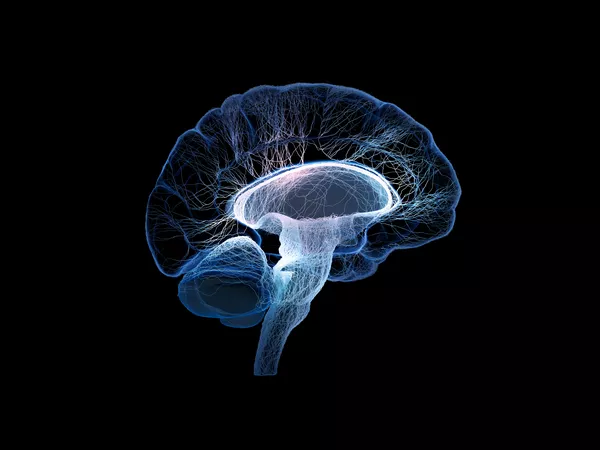
Neurological disorders, including Alzheimer's disease, Parkinson's disease, stroke, multiple sclerosis, epilepsy, etc., represent a leading cause of disability and death worldwide. Their profound complexity, heterogeneity in presentation, and multifaceted pathophysiology pose significant challenges for diagnosis, prognosis, and treatment. Traditional approaches often struggle to capture the intricate dynamics of the nervous system and the individual variability among patients. The advent of high-throughput technologies has generated vast amounts of multimodal data, including neuroimaging, genomics, electrophysiology. This data deluge presents an unprecedented opportunity to redefine neurological care through a precision medicine lens. However, harnessing this potential requires moving beyond conventional analytical methods, necessitating the development of sophisticated, intelligent computational frameworks.
The goal of this Research Topic is to showcase and advance the role of cutting-edge computational frameworks and AI in transforming the healthcare landscape for a broad spectrum of neurological disorders. We aim to address the critical need for personalized strategies that can predict disease onset, precisely diagnose subtypes, monitor progression, and optimize therapeutic interventions on an individual level. We seek contributions that leverage recent advances in machine learning (e.g., deep learning, graph neural networks, transformer models), computational modeling, and big data analytics to decode the complexity of neurological diseases. This collection will highlight innovative solutions that integrate multimodal data to uncover novel biomarkers, build in-silico models of disease mechanisms, and develop decision-support tools for clinicians. Our ultimate objective is to foster a collaborative dialogue between computational scientists, clinical researchers, and neurologists to accelerate the translation of algorithmic breakthroughs into tangible clinical benefits.
This Research Topic welcomes original research and review articles that explore the integration of computational frameworks and AI models in neurological disorders healthcare. Specific themes of interest include, but are not limited to:
(1) Computational biomarker discovery: identifying neuro imaging, electrophysiological, or genetic biomarkers for diagnosis and prognosis.
(2) Digital phenotyping and patient Stratification: unsupervised and semi-supervised learning for defining new neurological disorders subtypes.
(3) Multimodal data fusion: Novel frameworks for integrating heterogeneous data sources (EEG, ECoG, SEEG, fMRI, ECG, PET, MEG, etc.) for a holistic patient view.
(4) Explainable AI (XAI) for Clinical Translation: Developing interpretable and trustworthy models that provide actionable insights for healthcare providers.
(5) Network neuroscience: new methods and applications of brain network dynamics in the exploration of neurological disorders healthcare.
Article types and fees
This Research Topic accepts the following article types, unless otherwise specified in the Research Topic description:
Brief Research Report
Case Report
Conceptual Analysis
Data Report
Editorial
FAIR² Data
General Commentary
Hypothesis and Theory
Methods
Articles that are accepted for publication by our external editors following rigorous peer review incur a publishing fee charged to Authors, institutions, or funders.
Article types
This Research Topic accepts the following article types, unless otherwise specified in the Research Topic description:
Brief Research Report
Case Report
Conceptual Analysis
Data Report
Editorial
FAIR² Data
General Commentary
Hypothesis and Theory
Methods
Mini Review
Opinion
Original Research
Perspective
Registered Report
Review
Study Protocol
Systematic Review
Technology and Code
Keywords: computational framework, AI model, neurological disorders
Important note: All contributions to this Research Topic must be within the scope of the section and journal to which they are submitted, as defined in their mission statements. Frontiers reserves the right to guide an out-of-scope manuscript to a more suitable section or journal at any stage of peer review.