MT
mohammad tahir siddiqui
Indian Institute of Technology Delhi
New Delhi, India
1,071
Total views and downloads
Submit your idea
Select the journal/section where you want your idea to be submitted:
Manuscript Summary Submission Deadline 20 January 2026 | Manuscript Submission Deadline 10 May 2026
This Research Topic is currently accepting articles.
The emergence and global dissemination of antimicrobial resistance (AMR) have become one of the most pressing threats to public health, food security, and environmental sustainability.
The One Health framework recognizes that the health of humans, animals, and the environment are interconnected and should be addressed holistically to understand and mitigate the drivers of AMR. Microbiota, residing across these domains, play a pivotal role in the development, transmission, and persistence of resistance determinants.
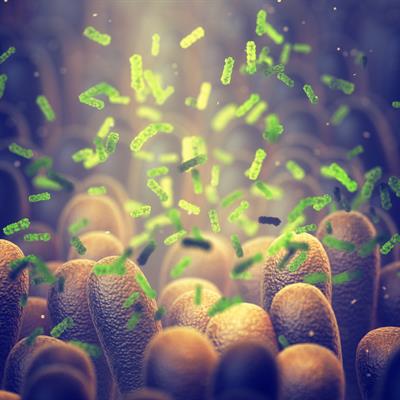
Growing evidence shows that microbiota of humans, animals and environment may act as reservoirs and channel for antimicrobial resistance genes (ARGs). Stress exerted by antibiotics, pharmaceutical and personal care products (PCPs), pesticides, heavy metals, and other compounds may shift microbiota compositions, select for resistant strains, and promote horizontal gene transfer. Despite significant progress, critical gaps remain in linking microbiota dynamics to AMR development across the One Health spectrum. Addressing these gaps requires integrated, multidisciplinary approaches, including genomics, metagenomics, metabolomics, and systems biology.
This Research Topic aims to highlight advances in understanding the complex interplay between microbiota, AMR, and One Health. We welcome Original Research, Review, Mini Review, Hypothesis & Theory, Methods, Opinion, Perspective, and Systematic Reviews, that provide novel insights into the AMR and microbiota across human, animal, and environmental systems.
We encourage submissions on, but not limited to, the following sub-themes:
• Microbiota as reservoirs and vectors of ARGs in humans, animals, and environment.
• Comparative and evolutionary studies of resistomes across One Health compartments.
• Mechanisms of horizontal gene transfer within and across microbiomes.
• Application of metagenomics, multi-omics, and systems biology approaches to explore resistomes and mobilomes.
• Impact of antimicrobials, pollutants, and environmental contaminants on microbial community structure, function, and resistance gene dynamics.
• Novel strategies for microbiome stewardship to mitigate AMR, including probiotics, phage therapy, microbiota-targeted interventions, and
ecological restoration.
This Research Topic accepts the following article types, unless otherwise specified in the Research Topic description:
Articles that are accepted for publication by our external editors following rigorous peer review incur a publishing fee charged to Authors, institutions, or funders.
Keywords: Antimicrobial resistance, Microbiota, Resistome, One Health, Metagenomics, Host–Microbe Interactions, Virulence
Important note: All contributions to this Research Topic must be within the scope of the section and journal to which they are submitted, as defined in their mission statements. Frontiers reserves the right to guide an out-of-scope manuscript to a more suitable section or journal at any stage of peer review.
Manuscripts can be submitted to this Research Topic via the main journal or any other participating journal.
Submit your idea
Select the journal/section where you want your idea to be submitted:
