YR
yanning rui
University of Texas Health Science Center at Houston
Houston, United States
515
Total views and downloads
Submit your idea
Select the journal/section where you want your idea to be submitted:
Manuscript Summary Submission Deadline 31 March 2026 | Manuscript Submission Deadline 15 June 2026
This Research Topic is currently accepting articles.
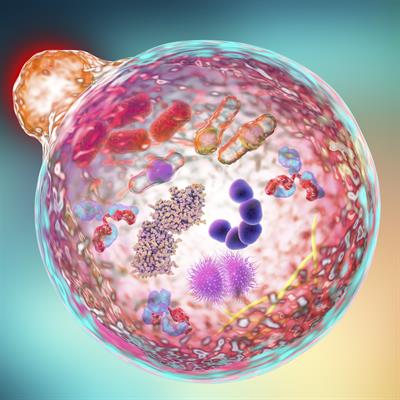
Autophagy is a tightly regulated self-degradative mechanism essential for maintaining cellular and tissue homeostasis. It serves as a quality control system that removes damaged organelles, misfolded proteins, and other cellular debris, ensuring optimal cell function and survival. Dysregulation of autophagy has been implicated in diverse pathological contexts. In the nervous system, defective mitophagy contributes to neurodegenerative disorders such as Parkinson’s and Alzheimer’s disease; in the cardiovascular system, imbalanced autophagy influences cardiac remodeling and ischemic injury; and in cancer, autophagy plays a dual role, supporting tumor cell survival under stress while also acting as a tumor-suppressive mechanism in early stages. Similarly, impaired autophagy in metabolic tissues such as the liver and pancreas contributes to insulin resistance, obesity, and type 2 diabetes, underscoring its multifaceted roles across organs and diseases.
Cellular senescence, characterized by irreversible cell-cycle arrest and the secretion of pro-inflammatory mediators, is another key player in aging and disease. Senescent cells accumulate in various tissues, driving chronic inflammation, tissue dysfunction, and age-related pathologies. Mitochondrial dysfunction, lysosomal impairment, and DNA damage responses are tightly linked to senescence induction. While senescence acts as a tumor-suppressive mechanism by preventing the proliferation of damaged cells, its persistence contributes to cancer progression, fibrosis, neurodegeneration, and metabolic decline. The tissue-specific roles of senescence reveal its dualistic nature as both a guardian of homeostasis and a promoter of pathology.
Apoptosis, or programmed cell death, serves as another fundamental mechanism for maintaining cellular equilibrium by eliminating damaged or unnecessary cells. Its precise regulation ensures tissue integrity, while dysregulation contributes to tumorigenesis, neurodegeneration, and developmental abnormalities.
Emerging evidence highlights intricate crosstalk between autophagy and senescence, where each process can regulate or counteract the other. Autophagy can delay senescence by maintaining organelle integrity and metabolic balance, whereas excessive or defective autophagy can paradoxically promote senescence under stress. This complex interplay forms a double-edged sword influencing organismal aging, regeneration, and disease outcomes. Understanding how these processes converge across organ systems may reveal novel therapeutic targets to modulate aging and combat chronic diseases.
Potential areas of interest include:
• Molecular regulation of autophagy under physiological and stress conditions.
• Organelle-specific autophagy, including mitophagy and lysophagy.
• Molecular triggers of senescence and organelle dysfunction.
• Mediated apoptosis under stress conditions during embryonic development.
• Senescence-associated secretory phenotype (SASP) and tissue-level effects.
• Role of Autophagy and Senescence in cancer, neurodegenerative, and cardiovascular diseases.
• Crosstalk between autophagy and senescence and its therapeutic potential.
This Research Topic accepts the following article types, unless otherwise specified in the Research Topic description:
Articles that are accepted for publication by our external editors following rigorous peer review incur a publishing fee charged to Authors, institutions, or funders.
Keywords: Autophagy, Cellular Senescence, Aging, Disease Mechanisms, Therapeutic Targets
Important note: All contributions to this Research Topic must be within the scope of the section and journal to which they are submitted, as defined in their mission statements. Frontiers reserves the right to guide an out-of-scope manuscript to a more suitable section or journal at any stage of peer review.
Manuscripts can be submitted to this Research Topic via the main journal or any other participating journal.
Submit your idea
Select the journal/section where you want your idea to be submitted:
