TJ
trevor james devries
University of Guelph
Guelph, Canada
1,583
Total views and downloads
Submit your idea
You will be redirected to our submission process.
Manuscript Submission Deadline 23 May 2026
This Research Topic is currently accepting articles.
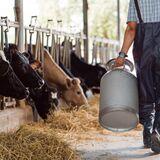
Over the past 15 to 20 years, the adoption of automatic milking systems (AMS) has expanded considerably. This growth is driven by multiple factors. For farmers, the primary motivations include labor reduction, improved quality of life, and enhanced management efficiency through automated data recording and decision support. From the cows’ standpoint, key benefits include improvements in milk yield and quality, as well as better welfare and health monitoring. Understanding the interactions between cows and automatic milking systems, as well as how people manage these systems, is essential for developing effective management practices and enhancing system efficiency.
Therefore, this research topic was established to explore these interactions and highlight the state of the art of AMS adoption around the world. Its purpose is to guide management practices and strategies — encompassing nutrition, health, herd management, and others — to improve the efficiency of AMS, reduce human workload and quality of life, and enhance cow performance and welfare.
The specific topic encompasses:
1-Cow–System Interactions
Studies on cow behavior, adaptation, and animal training in automatic milking systems; effects of cow traffic designs (free, guided, semi-guided); differences between primiparous and multiparous cows; and relationships between temperament, milking frequency, and system efficiency.
2-Human–Machine–Animal Interface
Management practices, human factors, and decision-making in AMS; farmer and worker perceptions; training and skill development; labor conditions and quality of life; and barriers to technology adoption.
3-System Performance and Efficiency
Milk yield and composition, milking efficiency, robot utilization (visits, refusals, milking frequency), feeding strategies within AMS, lactation curve characteristics, and economic indicators.
4-Health, Welfare, and Milk Quality
Monitoring of mastitis, lameness, and metabolic or thermal stress using AMS data; welfare indicators and behavioral responses; teat cleaning performance; and milk quality and hygiene under automated milking systems.
5-Nutrition and Feeding Behavior
Concentrate allocation strategies in the robot, relationships between total diet and visit behavior, sensor-based monitoring of feed intake, and nutritional effects on milk production and lactation persistence.
6-Technology, Data, and Artificial Intelligence
Use of sensor data integration, machine learning, and decision-support tools; validation of sensor accuracy; and data interoperability across dairy management platforms.
7-Adoption, Sustainability, and Socioeconomic Impact
Factors influencing AMS adoption across regions, environmental sustainability (energy, emissions, water use), economic assessments, and impacts on farm structure and workforce dynamics.
This Research Topic accepts the following article types, unless otherwise specified in the Research Topic description:
Articles that are accepted for publication by our external editors following rigorous peer review incur a publishing fee charged to Authors, institutions, or funders.
Keywords: milk yield, dairy science, herd management, human labor, life quality, cows behavior, animal nutrition
Important note: All contributions to this Research Topic must be within the scope of the section and journal to which they are submitted, as defined in their mission statements. Frontiers reserves the right to guide an out-of-scope manuscript to a more suitable section or journal at any stage of peer review.
University of Guelph
Guelph, Canada
University of Minnesota Twin Cities
St. Paul, United States
Federal University of Pelotas
Pelotas, Brazil
Luiz de Queiroz College of Agriculture, University of São Paulo
Piracicaba, Brazil
Federal University of Paraná
Curitiba, Brazil
Manuscripts can be submitted to this Research Topic via the main journal or any other participating journal.
Submit your idea
You will be redirected to our submission process.
