ME
maria eleftheria evangelopoulos
First Department of Neurology, Aeginition Hospital, National and Kapodistrian University of Athens
Athens, Greece
312
Total views and downloads
Submit your idea
You will be redirected to our submission process.
Manuscript Summary Submission Deadline 31 March 2026 | Manuscript Submission Deadline 31 August 2026
This Research Topic is currently accepting articles.
Multiple sclerosis (MS) is a complex, immune-mediated disorder characterized by progressive demyelination and neurodegeneration within the central nervous system (CNS). Although the pathogenesis of MS is well-established as an autoimmune process driven by T cells, B cells, and inflammatory cytokines, a growing spectrum of genetic and acquired mimickers can produce overlapping demyelinating features, posing substantial diagnostic and therapeutic challenges.
Among the genetic mimickers, type I interferonopathies—including Aicardi-Goutières syndrome (AGS), familial chilblain lupus, and STING-associated vasculopathy with onset in infancy (SAVI)—have gained increasing recognition. These disorders arise from mutations that dysregulate innate immune signaling, leading to persistent overproduction of type I interferons (IFNs). This hyperactive IFN response drives systemic inflammation and CNS demyelination, resulting in clinical and radiological overlap with MS. Distinguishing features such as vasculitis, skin lesions, and arthropathy, along with the underlying genetic basis, help separate these disorders from classical autoimmune demyelination and provide novel therapeutic targets.
In addition to genetic causes, acquired demyelinating conditions—including Neuromyelitis Optica Spectrum Disorders (NMOSD), Myelin Oligodendrocyte Glycoprotein Antibody-Associated Disease (MOGAD), and drug-induced demyelination, particularly that associated with anti-TNF therapy—can mimic MS both clinically and radiographically. Accurate differentiation is crucial, as therapeutic approaches differ substantially and some MS-directed treatments may exacerbate these mimickers.
Furthermore, systemic autoimmune diseases, including systemic lupus erythematosus (SLE), Sjögren’s syndrome, and antiphospholipid antibody syndrome (APS), can also produce CNS demyelination through vasculitic, ischemic, or antibody-mediated mechanisms. These conditions often manifest with overlapping neurological features, further complicating differential diagnosis and underscoring the need for integrated immunologic and neuroimaging approaches.
This Research Topic seeks to explore the pathogenetic mechanisms, diagnostic challenges, and therapeutic implications of MS and its diverse mimickers. By integrating insights from neuroimmunology, molecular genetics, and systemic autoimmunity, this collection aims to advance understanding of demyelinating diseases and refine approaches to personalized therapy.
________________________________________
Key Themes and Areas of Interest
We invite submissions addressing, but not limited to, the following areas:
• Mechanistic insights into T-cell and B-cell mediated demyelination in MS
• Role of cytokine networks and innate immune activation in CNS inflammation
• Type I interferonopathies as genetic mimickers of autoimmune demyelination
• Diagnostic biomarkers and immunological signatures distinguishing MS from NMO, MOGAD, and interferonopathies
• Neuroimaging and neuropathological markers in demyelinating mimickers
• Drug-induced demyelination (anti-TNF, checkpoint inhibitors): mechanisms and case studies
• Systemic autoimmune diseases (SLE, Sjögren’s, APS) and their CNS demyelinating manifestations
• Overlap syndromes involving autoimmune and autoinflammatory mechanisms
• Advances in genetic and molecular diagnostics for demyelinating disorders
• Emerging targeted and immunomodulatory therapies in MS and related diseases
Goal and Impact
This Research Topic aims to bridge the understanding of autoimmune and autoinflammatory pathways underlying CNS demyelination. By comparing the mechanisms and manifestations of MS and its mimickers—from interferonopathies to systemic autoimmune diseases—this collection will provide a platform for translational insights, enhance diagnostic precision, and guide the development of targeted therapeutic strategies for immune-mediated demyelinating disorders.
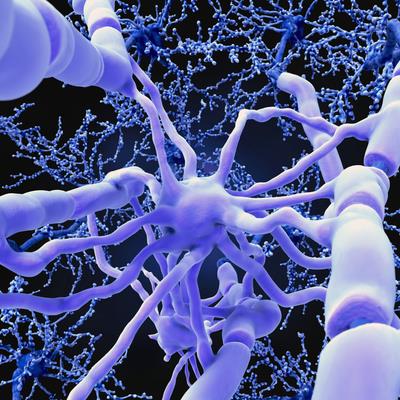
This Research Topic accepts the following article types, unless otherwise specified in the Research Topic description:
Articles that are accepted for publication by our external editors following rigorous peer review incur a publishing fee charged to Authors, institutions, or funders.
Keywords: Multiple Sclerosis (MS); Demyelination; Interferonopathies Autoimmune Mimickers; Neuroimmunology
Important note: All contributions to this Research Topic must be within the scope of the section and journal to which they are submitted, as defined in their mission statements. Frontiers reserves the right to guide an out-of-scope manuscript to a more suitable section or journal at any stage of peer review.
Manuscripts can be submitted to this Research Topic via the main journal or any other participating journal.
Submit your idea
You will be redirected to our submission process.