RC
rubén cereijo
University of Barcelona
Barcelona, Spain
967
Total views and downloads
Submit your idea
Select the journal/section where you want your idea to be submitted:
Manuscript Summary Submission Deadline 28 February 2026 | Manuscript Submission Deadline 30 June 2026
This Research Topic is currently accepting articles.
Metabolism plays a central role in maintaining physiological balance and overall health, influencing virtually every biological process. Coherently, disruptions in metabolic pathways or the complex systemic endocrine crosstalk that regulates them contributes greatly to disease development. This extends beyond traditional metabolic disorders, such as obesity, diabetes and cardiovascular disease, to also affect diverse pathological states including cancer, congenital diseases, neuropsychiatric conditions, or immune dysfunctions. In this regard, translational metabolic research serves as the bridge between basic biochemical discoveries and their potential application in clinical settings. By elucidating how metabolic pathways regulate cellular and systemic functions, key molecular targets and innovative diagnostic, prevention and therapeutic strategies can be developed for a wide range of conditions, yielding substantial benefits for population health and contributing to the development of more effective, evidence-based medical and public health practices.
The goal of this Research Topic is to promote a comprehensive and multidisciplinary understanding of metabolism as a central determinant of health and disease by integrating diverse research fields. Despite metabolism is a unifying thread that connects multiple physiological and pathological processes, its study often remains compartmentalized across specialized domains, and an integration of metabolic insights across disciplines and focus —ranging from molecular biology, physiology, and biochemistry to endocrinology, pharmacology and data science— remains insufficient. This fragmentation limits our ability to fully capture the complexity of metabolic networks, their dynamic interaction with molecular, systemic and environmental cues, and the development of experimental models to properly assess them. Therefore, to overcome such barriers, this Research Topic aims to foster an interdisciplinary dialogue, either experimental, clinical, or computational, across interconnected disciplines to uncover shared metabolic mechanisms, identify novel therapeutic or diagnostic targets, and accelerate the translation of metabolic discoveries into clinical solutions. Ultimately, it envisions metabolism-centered collaboration as a driving force for precision, prevention, and innovation in biomedical research.
Within the framework of the 11th Annual International MetNet meeting, held in Barcelona November 20th and 21st, 2025, this Research Topic aims to promote a truly multidisciplinary and translational collaboration between many disciplines, under the common umbrella of experimental or clinical metabolic research. We welcome original research, review, mini-review, short communications, and perspectives articles that are related, but not limited to the following subtopics:
• Emerging therapies for metabolic diseases
• Mechanisms and management of obesity and diabetes
• Metabolic contributions to cardiovascular disease
• Cancer metabolism and tumor microenvironment
• Pediatric alterations in metabolism
• Neuropsychiatry and mental health dimensions of metabolism
• Immunometabolism and immune regulation
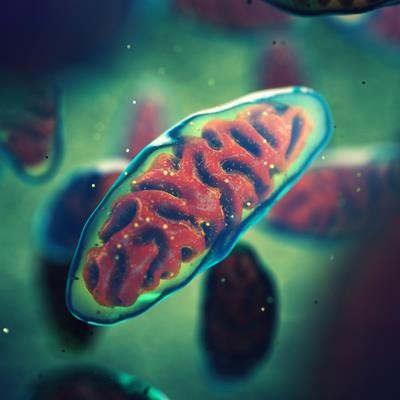
• Mitochondrial physiology and inter-organelle metabolic communication
This Research Topic accepts the following article types, unless otherwise specified in the Research Topic description:
Articles that are accepted for publication by our external editors following rigorous peer review incur a publishing fee charged to Authors, institutions, or funders.
Keywords: metabolism, endocrinology, obesity, mitochondria, translational research, diabetes, cancer metabolism, immunometabolism, cell signaling
Important note: All contributions to this Research Topic must be within the scope of the section and journal to which they are submitted, as defined in their mission statements. Frontiers reserves the right to guide an out-of-scope manuscript to a more suitable section or journal at any stage of peer review.

Manuscripts can be submitted to this Research Topic via the main journal or any other participating journal.
Submit your idea
Select the journal/section where you want your idea to be submitted: