SS
sherin shaaban
University of Utah, Department of Pathology
Salt Lake City, United States
782
Total views and downloads
Submit your idea
You will be redirected to our submission process.
Manuscript Summary Submission Deadline 9 March 2026 | Manuscript Submission Deadline 9 June 2026
This Research Topic is currently accepting articles.
Rare disorders arise from genetic alterations that interfere with essential cellular functions. Although each condition affects a small number of individuals, together they account for a substantial portion of the global disease burden. Many rare diseases, such as Rett syndrome, Duchenne muscular dystrophy, spinal muscular atrophy, and Gaucher disease, arise from single-gene mutations that disrupt cellular pathways essential for normal development and function. Understanding how these genetic alterations lead to distinct cellular phenotypes remains a central challenge in molecular medicine.
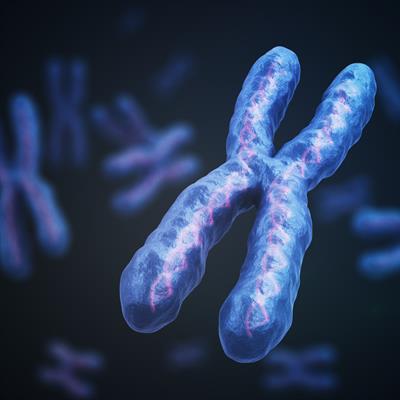
Among these conditions, several are also linked to the X chromosome, and these disorders provide valuable models to explore gene dosage effects, X inactivation, and the molecular basis of cell-type-specific vulnerability. Insights gained from such studies can reveal general principles of genome regulation and cellular adaptation that extend beyond individual diseases.
This Research Topic seeks to connect genetic variation with the molecular and cellular mechanisms underlying rare disorders. By integrating genomics, transcriptomics, proteomics, and metabolomics, researchers can define how specific mutations alter gene expression, protein interactions, organelle dynamics, and intercellular communication. Such understanding can guide the development of targeted molecular therapies and enable precision medicine approaches.
This collection welcomes contributions that bridge the gap between genotype and phenotype, from molecular pathways to clinical manifestations. The goal is to foster multidisciplinary collaboration among geneticists, molecular biologists, clinicians, and computational scientists to advance the understanding of rare disorders from genes to cells.
We welcome original research articles, systematic review, meta-analysis, clinical case studies, and review articles, guideline articles, and mini reviews within the scope of the research topic. The submissions can include but not limited to the following subtopics:
• Functional characterization using patient-derived samples..
• Whole exome and whole genome sequencing integrated with experimental validation
• CRISPR-based perturbation and gene-editing approaches to define causal gene–function relationships.
• Integration of multiomics datasets and advanced imaging to construct comprehensive mechanistic disease models.
• Protein misfolding, aggregation, and defective trafficking in disease models.
• Translational and clinical perspectives connecting molecular pathology to therapeutic discovery.
This Research Topic accepts the following article types, unless otherwise specified in the Research Topic description:
Articles that are accepted for publication by our external editors following rigorous peer review incur a publishing fee charged to Authors, institutions, or funders.
Keywords: gene mutations, molecular mechanisms, cellular models, personalized therapy, Rare Disorders
Important note: All contributions to this Research Topic must be within the scope of the section and journal to which they are submitted, as defined in their mission statements. Frontiers reserves the right to guide an out-of-scope manuscript to a more suitable section or journal at any stage of peer review.
University of Utah, Department of Pathology
Salt Lake City, United States
IRCCS Azienda Ospedaliero-Universitaria di Bologna
Bologna, Italy
Institute of Genetic and Biomedical Research, Department of Biomedical Sciences, National Research Council (CNR)
Monserrato, Italy
Manuscripts can be submitted to this Research Topic via the main journal or any other participating journal.
Submit your idea
You will be redirected to our submission process.
