DS
divakar sharma
Graphic Era University
Dehradun, India
625
Total views and downloads
Submit your idea
You will be redirected to our submission process.
Manuscript Summary Submission Deadline 5 March 2026 | Manuscript Submission Deadline 31 July 2026
This Research Topic is currently accepting articles.
The rise of AMR in pathogenic bacteria poses serious challenges to the control and management of infectious diseases. Globally, the rise of antimicrobial resistance (AMR) in high-priority pathogens has been disruptively affecting effective prevention, diagnostics and treatment of these infections. Bacterial pathogens that cause hard-to-treat infections include high-priority ESKAPE and other pathogens, many of which are multidrug-resistant (MDR), extensively drug-resistant (XDR), or pan-drug-resistant. These pathogens are especially problematic in clinical settings, where patients are often immunocompromised, have severe comorbid conditions, or undergoing invasive procedures.
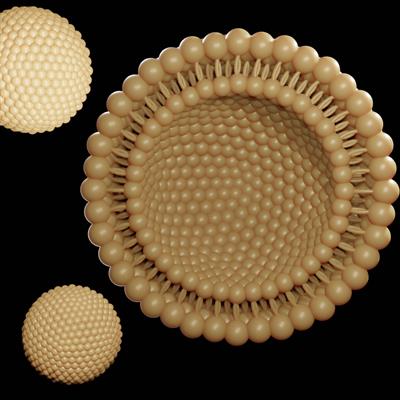
The increase in drug-resistant infections is a major health issue worldwide. Simultaneously, it undermines the efficacy and efficiency of traditional antimicrobial treatments. In this context, nanotechnology offers a novel approach to drug delivery by enhancing the solubility, stability, and targeted release of antimicrobial agents. By utilizing nanoscale carriers such as liposomes, polymeric nanoparticles, metallic nanoparticles, nano-scaffolds, nano-emulsions, and nanofilms, antimicrobials can be delivered directly to the site of infection to provide a sustained and efficient drug release. This strategy helps to overcome challenges such as poor tissue penetration and bacterial resistance mechanisms, including efflux and enzymatic breakdown of antimicrobials.
The objective of this research topic is to explore how nanotechnology-based drug delivery systems can circumvent microbial resistance, enhance drug availability, and reduce toxicity to host cells. To achieve this goal, interdisciplinary collaboration across various fields, including material sciences, biotechnology, chemistry, pharmaceutical sciences, biomedical sciences, microbiology, and clinical research, is essential. This collaboration will facilitate the development of novel treatments for drug-resistant infections.
This topic focuses on the role of nanotechnology in combating drug-resistant infections through the advancement of nanotechnology-based antimicrobial drug delivery systems. Areas of interest include, but are not limited to:
- Design, synthesis, modifications, and utilization of nanocarriers such as liposomes, polymeric nanoparticles, metallic nanoparticles, dendrimers, nano-emulsions, and hybrid systems to enhance the efficacy of antimicrobials.
- Mechanisms and applications of targeted and controlled antimicrobial drug delivery and release provided by nanocarriers.
- The use of nanotechnology-based drug delivery systems to overcome biofilm-mediated drug resistance.
- Synergistic effects of nanomaterials and antimicrobials against bacterial pathogens.
- Safety and toxicity assessment of nanocarrier-based antimicrobial delivery systems.
- Pharmacokinetic and pharmacodynamic evaluation of nanocarrier-based antimicrobial delivery systems.
- Translational and clinical potential of nanocarrier-based antimicrobial delivery systems.
The research topic invites the following article types that are accepted by the section: FAIR² Data, Hypothesis and Theory, Methods, Mini Review, Opinion, Original Research, Perspective, Systematic Review, Technology and Code.
We welcome interdisciplinary approaches that integrate microbiology, nanomedicine, and pharmacology. Submissions describing novel mechanisms and providing mechanistic insights and practical applications of nanocarrier-based antimicrobial delivery systems will be given priority.
This Research Topic accepts the following article types, unless otherwise specified in the Research Topic description:
Articles that are accepted for publication by our external editors following rigorous peer review incur a publishing fee charged to Authors, institutions, or funders.
Keywords: Antimicrobial Resistance (AMR), Biomaterial associated infections (BAI), Metal based nanostructures and nanodevices, Nanotheranostics, Biofilms
Important note: All contributions to this Research Topic must be within the scope of the section and journal to which they are submitted, as defined in their mission statements. Frontiers reserves the right to guide an out-of-scope manuscript to a more suitable section or journal at any stage of peer review.
Manuscripts can be submitted to this Research Topic via the main journal or any other participating journal.
Submit your idea
You will be redirected to our submission process.
