JC
joan cabestany
Universitat Politecnica de Catalunya
Barcelona, Spain
61
Total views and downloads
Submit your idea
You will be redirected to our submission process.
Manuscript Summary Submission Deadline 22 February 2026 | Manuscript Submission Deadline 12 June 2026
This Research Topic is currently accepting articles.
Parkinson disease (PD) presents a complex therapeutic challenge, as symptoms, treatment responses, and disease progression can vary greatly between individuals. Difficulties arise from the correct monitoring of the disease, especially due to the gap between the neurologist's view of the patient's condition during an office visit and the patient's daily reality at home.
There is considerable potential in the use of technology for improving patients’ quality of life (QoL). In part, the increase in QoL will come from the patient's improved understanding of their disease and associated symptoms. Increasingly, people with PD use AI tools, including large language models, autonomously to learn about their disease, interpret data, and manage daily challenges. Strengthening patient education and supporting such learning-oriented use of technology can foster self-efficacy and improve communication with healthcare professionals.
The use of appropriate technology, together with a better patient-centered care, can benefit people living with Parkinson’s disease by supporting timely treatment adjustments, shared decision-making, and sustained improvements in QoL.
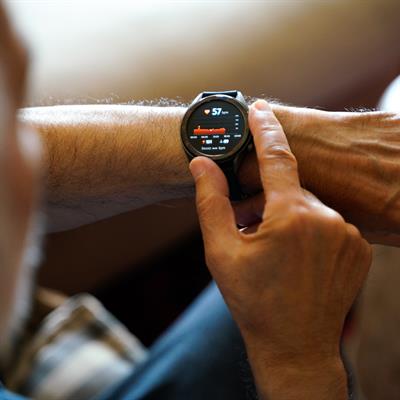
The proposed Research topic is addressed to the identification of new available technology (wearables, AI applications, etc) for the implementation of possible new services for people living with Parkinson’s Disease . Beyond clinical monitoring, these technologies can also function as educational and empowering tools, helping patients interpret their own data, explore personalized insights, and actively participate in care decisions.
The goal is to explore how technology-enabled services, including patients’ autonomous use of them, can foster learning about the illness and support the development of personal expertise and self-management skills. This Research Topic encourages studies that combine technological innovation with models of co-created care, digital literacy, and health education. Together, these advances can contribute to a redefinition of Parkinson’s care—from provider-driven management to shared, knowledge-based, and empowering patient engagement.
This Research Topic welcomes any types of manuscripts supported by the journal, pertaining but not limited to the following themes:
• Wearables and other digital tools for Parkinson disease with strong usability and integration into daily life.
• Monitoring of Parkinson's Disease progression
• Parkinson's Disease telemonitoring at home
• Efficient and early detection of wearing-off condition
• Correct and efficient selection of candidates to second line therapies
• Technology-enhanced patient education, self-tracking, and learning processes
• Empowerment and co-creation in digital Parkinson’s care
• Patients’ autonomous and creative use of AI tools (including large language models) for learning, reflection, and self-management
• Using technology for supporting patient expertise, self-management, and shared decision-making
We welcome empirical, theoretical, and methodological contributions exploring how technology, AI, education, and participatory approaches can jointly improve patient care, learning, and empowerment in Parkinson’s disease.
Topic Editor Prof Joan Cabestany declares an affiliation to Sense4Care company. The other Topic Editors have no potential conflicts of interest to declare
This Research Topic accepts the following article types, unless otherwise specified in the Research Topic description:
Articles that are accepted for publication by our external editors following rigorous peer review incur a publishing fee charged to Authors, institutions, or funders.
Keywords: Parkinson, technology, wearables, telecare, quality of life, patient-centered, patient empowerment, patient autonomy
Important note: All contributions to this Research Topic must be within the scope of the section and journal to which they are submitted, as defined in their mission statements. Frontiers reserves the right to guide an out-of-scope manuscript to a more suitable section or journal at any stage of peer review.
Manuscripts can be submitted to this Research Topic via the main journal or any other participating journal.
Submit your idea
You will be redirected to our submission process.