JL
jing liu
University of Pennsylvania
Philadelphia, United States
312
Total views and downloads
Submit your idea
You will be redirected to our submission process.
Manuscript Summary Submission Deadline 19 August 2026 | Manuscript Submission Deadline 30 October 2026
This Research Topic is currently accepting articles.
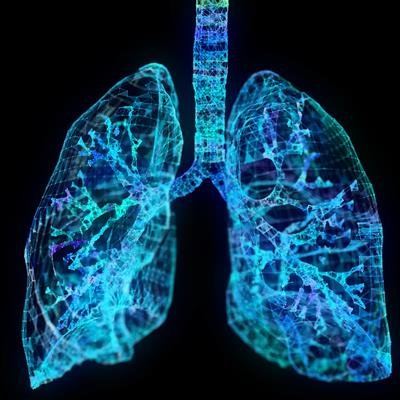
Lung development begins during embryogenesis and continues after birth. It includes branching of airways, formation of alveoli, and growth of blood vessels. Problems in these processes can cause long-term lung disease. These include congenital malformations, asthma, bronchopulmonary dysplasia, and pulmonary fibrosis. Studying how normal lung development connects to disease helps us design better treatments and preventive strategies.
Recent studies have identified key pathways that guide lung growth. Signaling molecules regulate the interaction between different lung cells. Immune and inflammatory signals also influence lung structure and function. When these pathways are disrupted, the lungs can develop abnormally and may become prone to disease. Environmental factors such as low oxygen before birth, maternal smoking, and infections after birth can worsen these problems. This links early-life events to lung diseases in children and adults.
Chronic lung infections, caused by bacteria or viruses, can further damage lung tissue and impair function. Repeated infections can trigger inflammation, fibrosis, and long-term decline in lung capacity. COVID-19 has highlighted how viral infections can cause both acute and lasting lung injury. Severe COVID-19 infection can disrupt alveolar structure, lead to chronic inflammation, and increase susceptibility to long-term respiratory complications. Studying how infections interact with lung development is crucial for managing both pediatric and adult lung diseases.
Research in this area increasingly emphasizes the concept of “developmental origins of lung disease,” highlighting how disruptions in growth programs intersect with disease mechanisms. For instance, preterm birth can interrupt alveolarization, resulting in long-term deficits in lung function. Genetic mutations affecting developmental transcription factors or extracellular matrix components can lead to structural and functional abnormalities, bridging congenital defects and chronic pulmonary pathology. Integrating developmental biology with disease modeling, including organoids and animal studies, provides a platform to identify biomarkers, therapeutic targets, and regenerative strategies for pulmonary disorders.
By studying how lung development and disease intersect, we aim to understand the mechanisms behind lung dysfunction. These insights may help prevent disease, improve early treatment, and develop therapies to restore lung function over a lifetime. This research Topic includes but not limited to:
• Study signaling pathways such as Wnt, FGF, BMP, and Notch in lung development and disease.
• Investigate how early-life environmental factors affect lung growth and disease risk.
• Examine genetic and epigenetic changes that impact lung structure and function.
• Understand the role of chronic lung infections, including COVID-19, in worsening developmental lung problems.
• Use lab and animal models to study the origins of lung disease.
• Identify biomarkers and therapeutic targets to treat chronic lung disorders.
This Research Topic accepts the following article types, unless otherwise specified in the Research Topic description:
Articles that are accepted for publication by our external editors following rigorous peer review incur a publishing fee charged to Authors, institutions, or funders.
Keywords: Pulmonary development, chronic lung disease, lung infection, COVID-19, developmental origins of disease
Important note: All contributions to this Research Topic must be within the scope of the section and journal to which they are submitted, as defined in their mission statements. Frontiers reserves the right to guide an out-of-scope manuscript to a more suitable section or journal at any stage of peer review.
Manuscripts can be submitted to this Research Topic via the main journal or any other participating journal.
Submit your idea
You will be redirected to our submission process.
