EP
eleni petsalaki
University of Crete
Rethymno, Greece
266
Total views and downloads
Submit your idea
You will be redirected to our submission process.
Manuscript Summary Submission Deadline 23 June 2026 | Manuscript Submission Deadline 30 September 2026
This Research Topic is currently accepting articles.
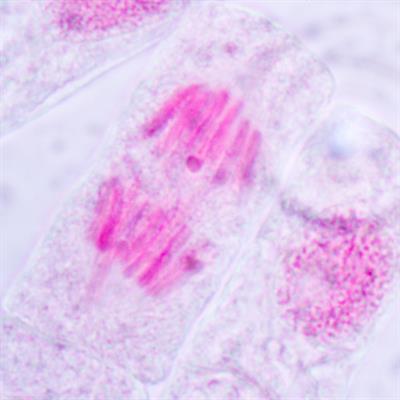
Cell division is a fundamental process that allows cells to replicate accurately and maintain tissue homeostasis. This process is tightly regulated by a series of surveillance mechanisms known as cell cycle checkpoints. These checkpoints serve as critical control points that ensure the fidelity of DNA replication, chromosome segregation, and cell division. The major checkpoints include the G1/S checkpoint, which prevents the cell from entering the synthesis phase in the presence of DNA damage; the intra-S-phase checkpoint, which monitors DNA replication stress; the G2/M checkpoint, which ensures that DNA has been accurately replicated before mitosis; and the spindle assembly checkpoint, which verifies proper chromosome alignment before anaphase.
Importantly, an additional late-stage surveillance mechanism, the abscission checkpoint, operates during the final step of cytokinesis. This checkpoint delays the physical separation of daughter cells when chromatin bridges, unresolved DNA damage, or replication stress persist at the midbody, thereby safeguarding genome integrity. Dysregulation of the abscission checkpoint can lead to cytokinesis failure, polyploidy, and chromosomal instability, processes frequently associated with cancer and developmental disorders.
Dysfunction of cell cycle checkpoints can lead to genomic instability, a hallmark of many human diseases including cancer, neurodegenerative disorders, and developmental abnormalities. Targeting cell cycle checkpoints has emerged as a promising therapeutic strategy. In cancer, cells often harbor mutations that allow them to bypass checkpoints, enabling uncontrolled proliferation. Inhibitors of checkpoint kinases such as ATR, CHK1, and WEE1 can selectively induce cell death in cancer cells by exploiting their reliance on remaining checkpoint pathways. Similarly, modulation of checkpoint pathways may enhance the efficacy of DNA-damaging chemotherapies and radiation by preventing tumor cells from repairing damage. Beyond oncology, aberrant checkpoint regulation has been implicated in neurodegenerative diseases where defective cell cycle re-entry contributes to neuronal death. Correcting checkpoint defects in these contexts could prevent disease progression and preserve cellular function.
Recent advances in high-throughput screening, genome editing, and single-cell analysis have facilitated the identification of novel checkpoint regulators and synthetic lethal interactions. These discoveries provide new avenues for precision medicine approaches that target checkpoint vulnerabilities in specific disease contexts. Overall, understanding the molecular mechanisms underlying cell division checkpoints and their dysregulation offers significant opportunities for developing targeted therapies that improve patient outcomes while minimizing off-target effects.
Key research includes but is not limited to:
• Investigating the role of ATR and CHK1 inhibitors in sensitizing cancer cells to chemotherapy
• Elucidating the contribution of G2/M checkpoint dysregulation to genomic instability in tumors
• Exploring spindle assembly checkpoint modulation as a strategy to prevent aneuploidy in cancer
• Defining the role of the abscission checkpoint in safeguarding genome integrity during cytokinesis and its dysregulation in disease
• Identifying novel small molecules that selectively target checkpoint-defective cells
• Studying checkpoint reactivation in neurodegenerative disease models to prevent cell death
• Mapping synthetic lethal interactions between checkpoint pathways and oncogenic mutations
• Developing precision medicine approaches using patient-specific checkpoint vulnerabilities
This Research Topic accepts the following article types, unless otherwise specified in the Research Topic description:
Articles that are accepted for publication by our external editors following rigorous peer review incur a publishing fee charged to Authors, institutions, or funders.
Keywords: Cell Division Checkpoints, Genomic Instability, Checkpoint Inhibitors
Important note: All contributions to this Research Topic must be within the scope of the section and journal to which they are submitted, as defined in their mission statements. Frontiers reserves the right to guide an out-of-scope manuscript to a more suitable section or journal at any stage of peer review.
Manuscripts can be submitted to this Research Topic via the main journal or any other participating journal.
Submit your idea
You will be redirected to our submission process.
